



Go Vertical: Think Up, Not Out
The most fundamental rule of small-space living is to draw the eye upward. When floor space is limited, your walls become your most valuable real estate. Viral videos are filled with clever vertical solutions that go beyond basic shelves. Think floor-to-ceiling
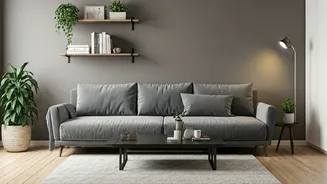
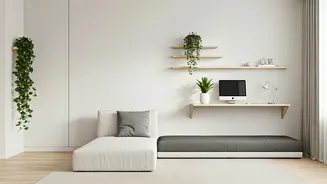
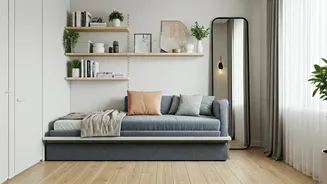
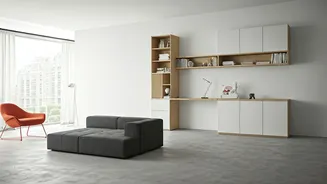
bookcases that create a sense of height and offer immense storage. Consider installing high-mounted floating shelves above doorways or windows to store lesser-used items or display decor. Even your plants can go vertical with tiered stands or hanging planters, adding life without cluttering surfaces. This trick not only frees up the floor but also makes the ceiling feel higher than it actually is.
The Magic of Mirrors
This is one of the oldest tricks in the design book, but it's gone viral for a reason: it works. A well-placed mirror can dramatically alter the perception of a room. The key is strategic placement. Positioning a large mirror opposite a window is a classic move that doubles the amount of natural light, instantly making the space feel brighter and more airy. Another popular hack is using mirrored furniture—like a wardrobe with mirrored doors or a small console table—to bounce light around and create an illusion of depth without looking like a dance studio. They act as a functional piece of art that visually expands your living area.
Zone Your Space without Walls
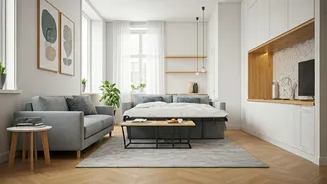
In a studio or one-room apartment, creating separation between living, sleeping, and working areas is crucial for sanity. This is where 'zoning' comes in. Instead of building walls, you can use visual cues to define different zones. A large area rug is the most popular way to do this; it can anchor your seating area and clearly separate it from your dining space. Another viral trend is using paint. Creating a painted 'arch' or a block of colour on the wall behind your desk or bed instantly carves out a dedicated nook. Even an open-backed bookshelf can act as a light-permeable divider that provides storage while creating distinct functional zones.
Choose Multi-Functional Marvels
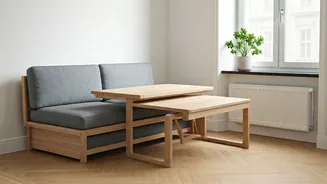
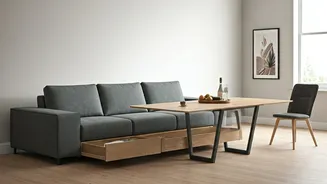
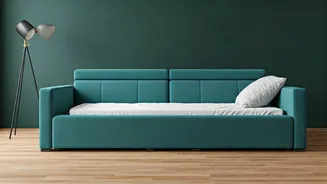
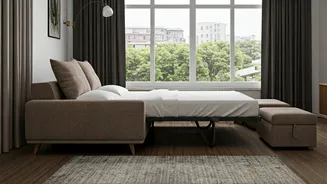
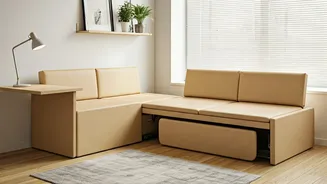
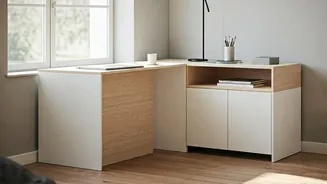
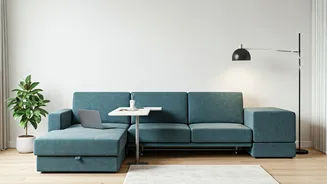
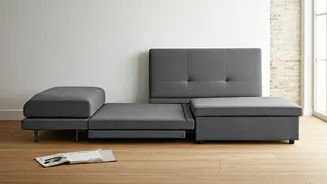
Every piece of furniture in a small apartment should work hard. The trend of multi-functional furniture has exploded, with designs becoming smarter and more stylish. Think beyond the traditional sofa bed. Today's viral sensations include coffee tables that lift up to become work-from-home desks, stylish ottomans and pouffes that open up to reveal hidden storage for blankets and magazines, and nesting side tables that can be spread out when you have guests and tucked away when you don't. Investing in a few key pieces that serve two or three purposes is the single most effective way to reduce clutter and maximize functionality.
Let Your Furniture Float
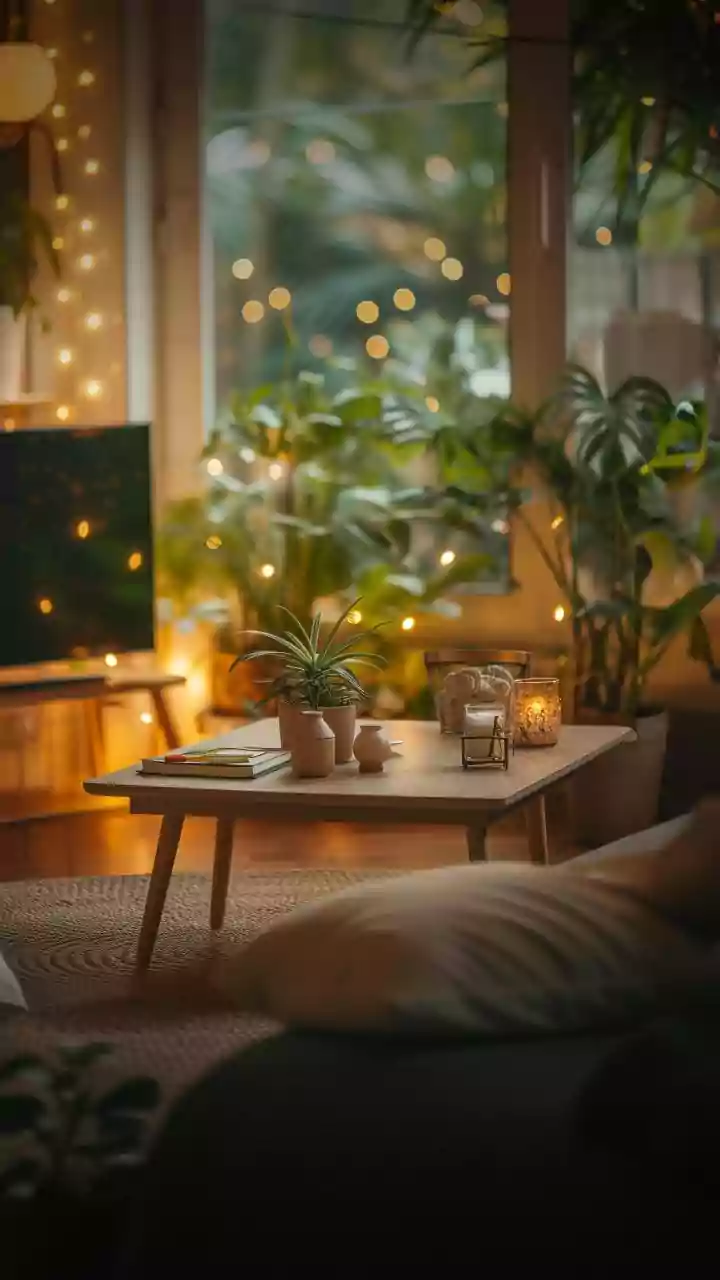
Heavy, chunky furniture that sits directly on the floor can make a room feel weighed down and small. The viral solution is to choose furniture with legs—a concept designers call 'floating' furniture. Sofas, armchairs, TV consoles, and sideboards raised on slender legs allow you to see the floor underneath. This simple visual trick creates a sense of openness and makes the room feel larger because more of the floor plan is visible. It also makes cleaning much easier! This principle applies to wall-mounted pieces too, like a floating TV unit or bedside table, which free up floor space entirely for a clean, minimalist aesthetic.
Layer Your Lighting
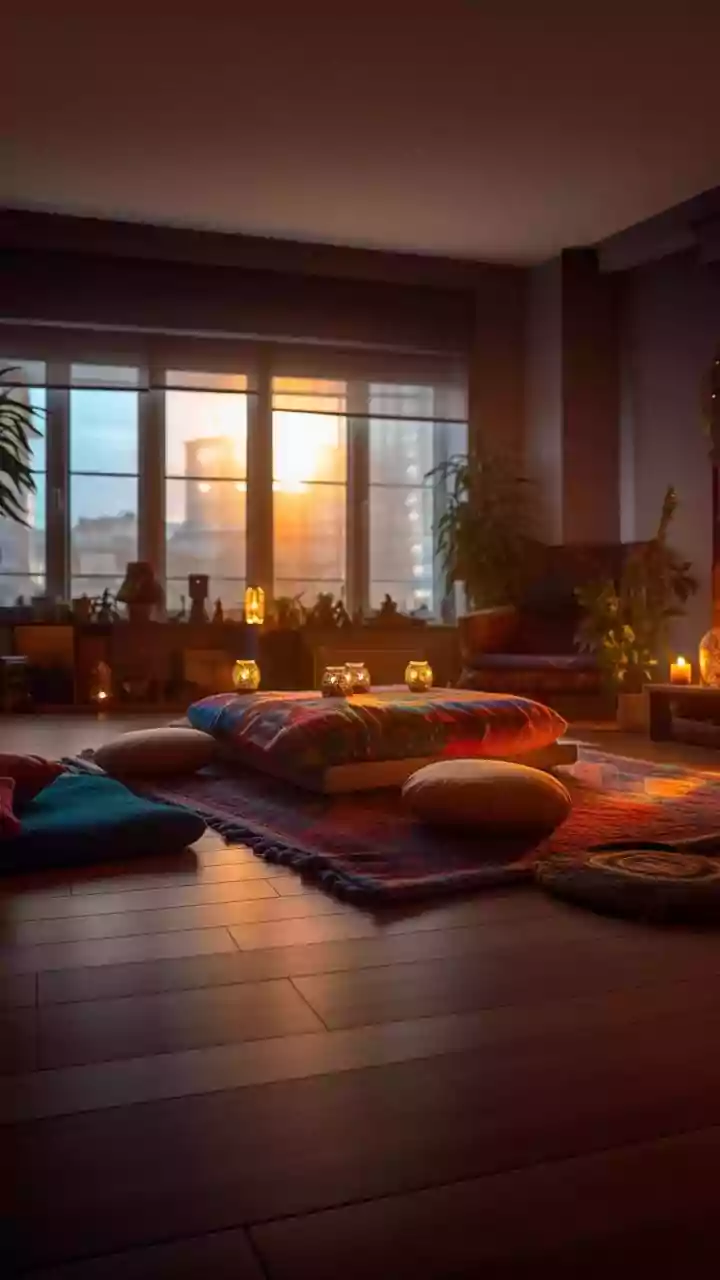
A single, harsh overhead light is the enemy of good ambiance and perceived space. Professional designers and TikTok influencers agree: layered lighting is key. This means incorporating three types of light. Start with ambient lighting (your main overhead fixture). Then add task lighting for specific activities, like a floor lamp for reading or under-cabinet strips in the kitchen. Finally, introduce accent lighting—like a small table lamp on a shelf or a spotlight on a piece of art—to create warmth and depth. Being able to control different light sources allows you to change the mood and highlight the best features of your space, making it feel more dynamic and inviting.