



More Than Just White Walls
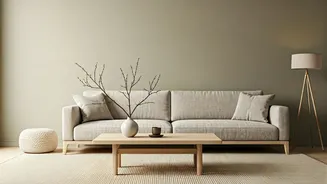
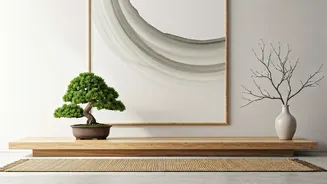
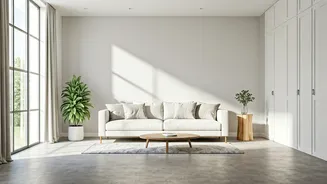
When you hear “simple interior,” your mind might jump to the stark, cold minimalism of the early 2000s—a cavernous white room with a single, uncomfortable-looking chair. But today’s version is different. It’s warmer, more human, and less about deprivation
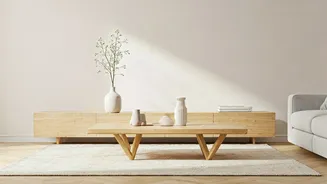
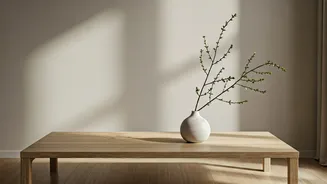
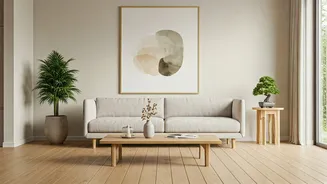
than it is about intention. This new simplicity encompasses a range of styles, from the earthy textures of “organic modern” to the clean, functional grace of Scandinavian design. Perhaps the most telling evolution is the rise of Japandi, a hybrid of Japanese wabi-sabi and Scandinavian hygge that celebrates imperfection, natural materials, and a deep sense of tranquility. The common thread isn't the absence of stuff, but the thoughtful presence of only what is beautiful, useful, or deeply cherished. It’s a curated environment, but curated for peace of mind, not for a magazine cover.
The Search for a Sanctuary
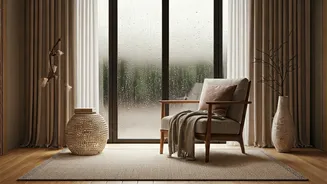
So, why now? The move toward simpler home lives is a direct response to the increasing complexity of our external world. In an age of constant notifications, 24/7 news cycles, and the pressure of a digital-first existence, our homes have become the last line of defense for our sanity. After years of our living spaces doubling as offices, classrooms, and gyms, there's a collective realization that our environment profoundly affects our mental state. A cluttered, over-stimulating home can amplify feelings of anxiety and overwhelm. Conversely, a space with clean lines, natural light, and a lack of visual noise provides a psychological exhale. This isn’t just about having a tidy house; it’s about creating a personal sanctuary where the mind can unplug, reset, and recover from the demands of modern life. The home is being re-envisioned not as a showroom for our possessions, but as a tool for our well-being.
A Quiet Rejection of 'More'
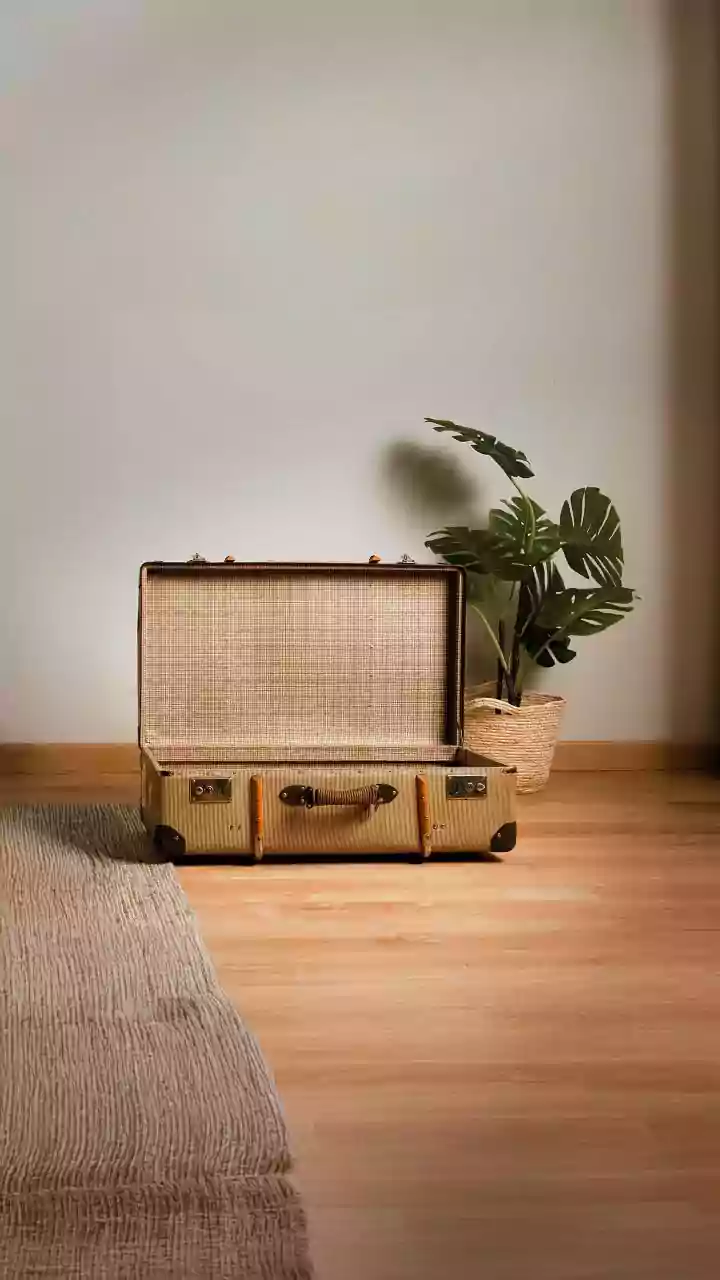
On a deeper level, embracing simple interiors is a form of quiet rebellion against the relentless consumer culture of “more.” For decades, the American dream was tied to accumulation: bigger houses, more furniture, constant upgrades. The simple living movement questions that premise. It champions a “less but better” philosophy, encouraging investment in high-quality, timeless pieces rather than succumbing to the fleeting trends of fast furniture and seasonal decor. This shift has powerful ripple effects. It’s more sustainable, reducing waste and the carbon footprint associated with mass production and shipping. It’s also financially liberating. By stepping off the hamster wheel of trend-driven consumption, people are freeing up resources and mental energy for experiences, relationships, and personal growth. It’s a conscious choice to find richness in simplicity rather than in abundance.
The Daily Practice of Simplicity
Ultimately, what transforms this from a design trend into a lifestyle is that it requires ongoing participation. You don’t just “achieve” a simple interior; you live it. It’s in the daily habit of putting things away, the mindfulness of considering a new purchase, and the discipline of regularly decluttering not just objects, but digital files and mental baggage. This practice fosters a different relationship with our belongings. We move from being passive consumers to active curators of our own lives. Each object that remains has a purpose and a story, contributing to a cohesive whole. This intentionality spills over into other areas, influencing how we manage our time, our relationships, and our attention. The calm and clarity cultivated within our four walls begin to shape the way we navigate the world outside them.