


Embracing Winter's Deep Sweetness
Winter is when carrots truly shine in India, especially the sweet, juicy red varieties like Pusa Kesar and Pusa Rudhira that flood the markets. This is the peak season for carrots, typically running from September to May. The cool weather concentrates
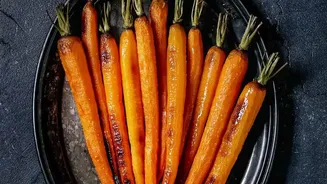
their sugars, making them exceptionally sweet and tender. This natural sweetness is the foundation of the quintessential winter dessert, Gajar ka Halwa, where grated carrots are slow-cooked in milk until rich and decadent. But winter's bounty extends beyond dessert. The sweetness of these carrots is perfect for a simple and homely Aloo Gajar sabzi, where they are paired with potatoes, or Gajar Matar, a dry stir-fry with fresh peas. Roasting carrots during this season deepens their flavour, creating a perfect side dish. You can also blend them into a warming Carrot Ginger Soup, a comforting meal on a chilly evening.
Lighter Fare for Warmer Months
As the weather warms, carrots take on a different character. The varieties available, often the orange 'European' types like Nantes, tend to be more earthy and less intensely sweet, with a satisfyingly firm crunch. This makes them ideal for lighter, fresher preparations. A classic Gajar Koshimbir, a simple Maharashtrian salad of grated carrots with a tempering of mustard seeds and curry leaves, is a refreshing side for any meal. You can also create vibrant, crunchy slaws by mixing shredded carrots with cabbage, or turn them into ribbons for a modern salad with a lemon and spice vinaigrette. Freshly pressed carrot juice, often mixed with other vegetables and fruits, becomes a popular and nutritious way to stay hydrated and cool.
The Tangy World of Carrot Pickles
Pickling is a fantastic way to preserve carrots and enjoy them year-round. Gajar ka Achar, a spiced carrot pickle, is a beloved condiment in many Indian households. Carrots are typically cut into batons and mixed with mustard oil, fenugreek seeds, fennel seeds, and other spices, then left to mature in the sun. The result is a tangy, spicy, and crunchy pickle that pairs perfectly with parathas and dal rice. Another fascinating preparation is Gajar ki Kanji, a fermented probiotic drink popular in North India, especially during spring. For this, black or purple carrots are often used, submerged in water with mustard powder and salt, and fermented for several days to create a tangy, effervescent, and deeply coloured beverage known for its digestive benefits.
Beyond the Expected: Creative Carrot Dishes
Don't limit carrots to just sabzis and salads. Their versatility allows them to be the star in a range of innovative vegetarian dishes. Healthy and delicious Carrot Parathas, where grated carrot is mixed into the dough or used as a stuffing, make for a nutritious breakfast. You can also make a fragrant Carrot Pulao, a one-pot meal where rice is cooked with diced carrots and whole spices for a quick and flavourful lunch. For a more indulgent curry, Gajar Makhani uses tender chunks of carrot in a creamy, tomato-based gravy, offering a vegetarian take on a restaurant favourite. These dishes prove that carrots can be the main event, not just a supporting ingredient.
Waste Not, Want Not: Using the Whole Carrot
Making better use of seasonal produce also means minimising waste. The leafy green tops of carrots, which are often discarded, are perfectly edible and packed with nutrients, including vitamins A, C, and K. They have a fresh, slightly earthy flavour similar to parsley. Instead of throwing them away, you can wash them thoroughly and blend them into a vibrant pesto with nuts, garlic, and oil. This carrot top pesto is delicious tossed with pasta, used as a dip, or spread on toast. The greens can also be finely chopped and added to soups, salads, or sauteed with a bit of garlic and oil for a simple side dish, ensuring you get the most out of the entire vegetable.