






The Real Benefits of Soaking
Before we dive into the 'how', let's cover the 'why'. Soaking pulses before cooking does more than just soften them. The primary benefit is that it significantly reduces cooking time, saving both fuel and effort. It also helps the pulses cook more evenly.
More importantly, soaking helps break down complex sugars called oligosaccharides, which can be difficult for our bodies to digest and are often the cause of bloating and gas. The process also neutralises compounds like phytic acid, which can interfere with the absorption of essential minerals like iron, zinc, and calcium, making the pulses more nutritious.
Why Size Dictates the Soak
It’s a simple matter of physics: larger objects take longer to become saturated with water. The same principle applies to pulses. Large, dense beans like rajma (kidney beans) and chole (chickpeas) have a much lower surface-area-to-volume ratio compared to smaller lentils. This means water needs more time to penetrate to the centre. For these larger varieties, a soak of 8 to 12 hours is often recommended to ensure they are fully rehydrated. On the other hand, smaller whole pulses like whole moong can be ready in 6 to 8 hours, while split lentils (dals) like masoor or yellow moong dal need much less time, sometimes as little as 30 minutes to two hours. In fact, smaller split lentils don't strictly require soaking, though it still aids digestion.
The Age Factor in Your Pantry
Have you ever cooked a batch of beans that, despite hours of simmering, remained stubbornly hard? The culprit might be their age. Dried pulses are not immortal; they are at their best within the first year of being harvested. As they age, they lose moisture and their outer skins become tougher. This 'hard-to-cook' phenomenon means older beans require a longer soaking period to properly rehydrate. If you have a packet of rajma that's been sitting in your pantry for a while, it will likely need a longer soak than a freshly bought batch. While packages rarely have a harvest date, buying from shops with high turnover can increase your chances of getting fresher stock. If you know your beans are old, consider giving them a full 12 hours or even a bit longer in the fridge.
A Practical Soaking Guide
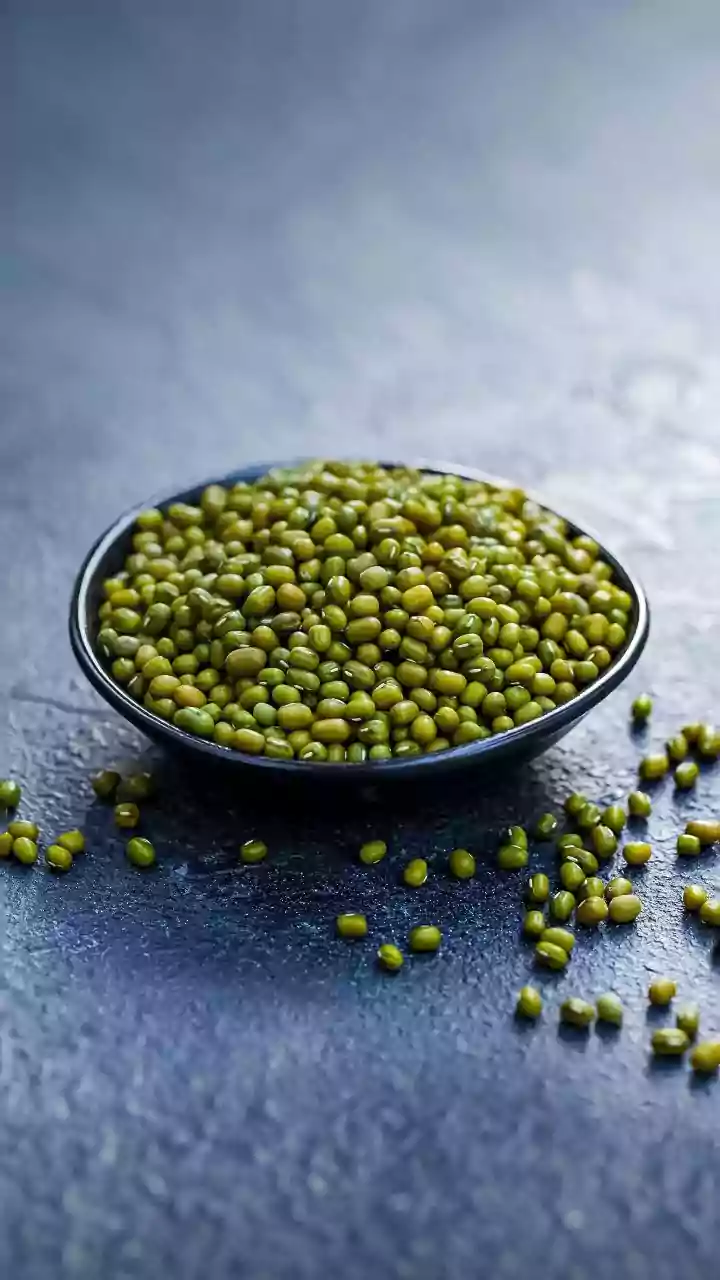
Navigating the different soaking times can be tricky, so here’s a quick reference for some common Indian pulses: Large Beans (Rajma, Chole, Kala Chana): 8 to 12 hours. Soaking is crucial for a tender texture and good digestion. Medium Pulses (Whole Moong, Lobia): 6 to 8 hours. * Split Pulses (Chana Dal, Toor Dal, Urad Dal): Soaking times for split dals vary. Chana dal benefits from a longer soak of 6 to 8 hours to make it lighter on the stomach. Toor dal needs about 2 to 3 hours, while yellow moong dal can be ready in as little as 30 minutes. Always remember to discard the soaking water, as this is where the gas-producing compounds end up. Rinse the pulses well before cooking.
Forgot to Soak? The Quick-Soak Lifesaver
We’ve all been there—dinner plans made, only to realise the beans are still bone-dry. Don't panic. The 'quick soak' or 'hot soak' method can save the day. Simply place your rinsed pulses in a large pot, cover with a few inches of water, and bring to a boil. Let them boil for 2-3 minutes, then turn off the heat, cover the pot, and let them stand for at least an hour. After an hour, drain the water, rinse the beans, and they are ready to be cooked as if they had been soaked overnight. This method is a fantastic shortcut for most beans and larger pulses.
Is It Possible to Over-Soak?
Yes, you can soak pulses for too long. If left at room temperature for more than 12-15 hours, beans can start to ferment, developing a sour smell and a frothy film on the water. They may also become overly mushy and lose their distinct flavour and texture when cooked. To avoid this, if you need to soak for longer than 12 hours, it's best to place the bowl in the refrigerator. This slows down any potential fermentation and keeps them in perfect condition until you’re ready to cook.