


Understanding the Enemy: What Is Root Rot?
Root rot is a disease that attacks a plant's roots, and it's one of the most common reasons container plants fail. It’s primarily caused by a lack of oxygen in the soil, which happens when the soil is waterlogged for too long. This suffocates the roots, causing
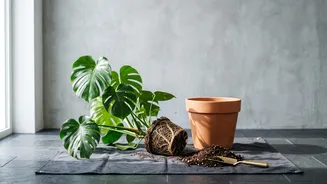
them to decay and making them vulnerable to fungi and bacteria that thrive in wet conditions. The initial signs above ground can be misleading; your plant might look wilted, with yellowing or drooping leaves, making you think it's thirsty. Many gardeners respond by watering more, which only worsens the problem. The only way to be certain is to inspect the roots. Healthy roots are typically white and firm, while rotted roots are brown or black, mushy, and may have a foul, sour smell.
The Foundation: Your Pot and Soil Matter
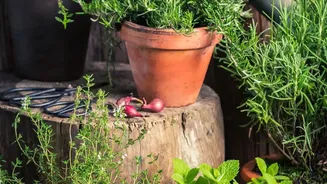
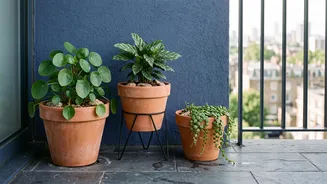
Prevention starts before you even add the plant. The single most important feature of any pot for a balcony garden is drainage holes. This is non-negotiable, as holes allow excess water to escape freely. Without them, water pools at the bottom, creating the perfect swampy environment for rot. Terracotta pots are a great choice for plants susceptible to overwatering because their porous material helps wick moisture from the soil, allowing it to dry out faster. Also, avoid choosing a pot that is too large for your plant. An oversized pot holds more soil and therefore more water, increasing the risk of the soil staying wet for too long. Finally, use a high-quality, well-draining potting mix. Heavy garden soil compacts easily and retains too much water. Look for mixes containing perlite or orchid bark, which create air pockets that help roots breathe.
Smart Watering: Less Is Often More
Overwatering is the number one cause of root rot. Instead of watering on a strict schedule, check the soil first. The classic 'finger test' is reliable: stick your finger about an inch or two into the soil. If it feels dry, it’s time to water; if it’s still damp, wait. When you do water, do it thoroughly. Pour water slowly at the base of the plant until it flows freely from the drainage holes. This encourages deep, strong root growth. Shallow, frequent watering only wets the top layer of soil and can lead to weak, shallow roots. Always empty the saucer or tray beneath the pot after about 15 minutes. Letting a plant sit in a tray of standing water is a direct invitation for root rot.
Easy Drainage Hacks for Extra Security
Beyond the basics, a few simple hacks can further improve drainage and protect your plants. One common practice is to ensure drainage holes are clear and not blocked. While some old advice suggests adding a layer of gravel or broken pottery to the bottom of pots, many modern horticulturalists now advise against this, as it can create a 'perched water table' where water accumulates just above the coarse layer, keeping roots wet. Instead, focus on using a quality potting mix throughout the entire pot. If you fall in love with a decorative pot that has no holes, you have two options. The best solution is to carefully drill holes yourself. Alternatively, use it as a 'cachepot': keep your plant in a simple plastic nursery pot with drainage holes, and place that pot inside the decorative one. When you water, simply remove the inner pot, let it drain completely, and then place it back in the decorative container.