





Decoding 'Fibre-Gating'
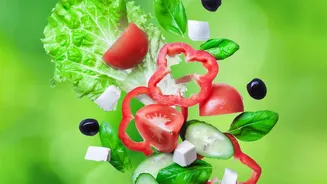
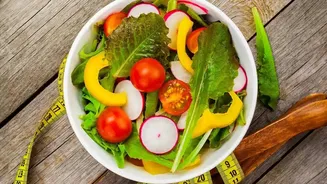
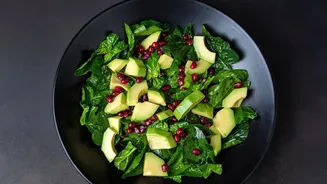
The term 'fibre-gating' might sound technical, but the concept is beautifully simple. It refers to the practice of eating fibre-rich foods, like a green salad or other vegetables, before you consume carbohydrates in a meal. Think of it as sending a protective
vanguard to your digestive system. This 'starter' of fibre doesn't block carbs, but it changes how your body processes them. The idea has gained significant traction thanks to proponents like biochemist Jessie Inchauspé, who highlights meal sequencing as a powerful tool for health. The goal is to use the natural properties of fibre to manage the metabolic effects of the rest of your meal, particularly sugars and starches.
The Science of a Slower Burn
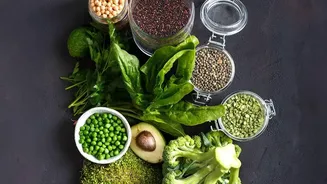
When you eat carbohydrates, especially refined ones, they are quickly broken down into glucose, which enters your bloodstream. This can cause a rapid increase in blood sugar, often called a 'glucose spike'. However, when you eat fibre-rich vegetables first, something remarkable happens. The soluble fibre in the vegetables absorbs water and forms a gel-like substance in your digestive tract. This viscous mesh slows down gastric emptying—the rate at which food leaves your stomach—and also slows the absorption of glucose in the small intestine. The result is a more gradual, gentle rise in blood sugar instead of a sharp spike. Studies have shown that this simple change in food order can significantly lower post-meal glucose levels, an effect so pronounced it has been compared to what one might expect from certain diabetes medications.
More Than Just Blood Sugar
The benefits of this eating strategy extend beyond just flattening your glucose curve. By promoting a slower, steadier release of energy, fibre-gating helps prevent the dreaded post-meal slump and subsequent cravings that often follow a blood sugar crash. This improved satiety, or feeling of fullness, can be a valuable ally in weight management, as it helps you feel satisfied with less food and for a longer period. Furthermore, this method can improve insulin sensitivity over time. By reducing the demand on your body to produce large amounts of insulin to deal with a sudden glucose influx, you're supporting your overall metabolic health and reducing the risk of long-term complications associated with frequent blood sugar spikes, like inflammation and heart disease.
Making It Work for You
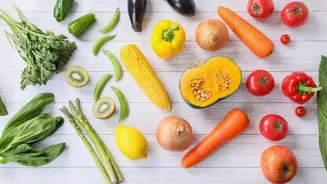
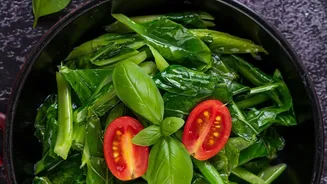
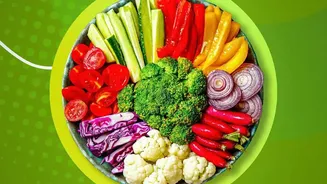
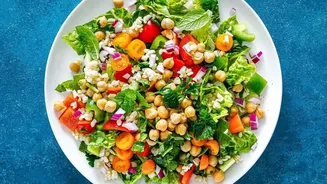
Adopting this practice doesn't require a complete overhaul of your diet. The key is to make vegetables the opening act of your main meals. While the headline specifies a 'green salad', the principle applies to a wide variety of fibre sources. In an Indian context, this could be a simple kachumber salad (cucumber, tomato, onion), a bowl of vegetable soup, or a side of lightly stir-fried greens like spinach or bhindi consumed before you reach for your roti or rice. The important part is to eat the vegetables first, on an empty stomach, to allow the fibre to create its protective lining. Even a small plate of raw carrots, cucumber, and bell peppers can make a difference. The goal is to consume the fibre about 5-15 minutes before your main carbohydrates to give it a head start.
Is It Always a Salad?
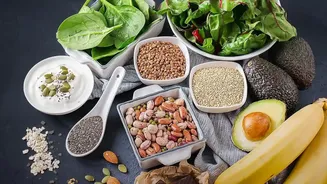
No, it doesn't have to be a traditional leafy green salad. Any non-starchy vegetable will provide the necessary fibre to kickstart the process. You could have steamed broccoli, roasted cauliflower, or sautéed green beans. Protein and healthy fats also play a role in slowing digestion, so incorporating them into your vegetable starter can be even more effective. For instance, a salad with a sprinkle of seeds and a light vinaigrette, or vegetables stir-fried with paneer or tofu, would be excellent choices. The core principle remains the same: front-load your meal with fibre and protein to cushion the impact of the starches and sugars that follow. This makes the diet hack incredibly flexible and adaptable to different cuisines and personal preferences.