





The Challenge with Lithium-Ion
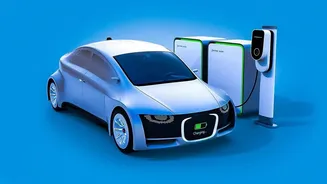
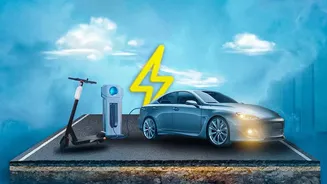
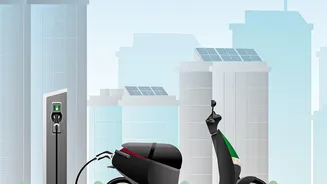
For years, lithium-ion batteries have been the undisputed king of the EV world. They power everything from high-end electric cars to the scooters zipping through our cities. They are lightweight, store a lot of energy for their size (high energy density),
and have become more affordable over time. However, they have a significant downside. The core materials, particularly lithium and cobalt, are relatively scarce, geographically concentrated, and subject to volatile pricing. This reliance on imported materials poses a strategic challenge for India's goal of 'Atmanirbhar Bharat' (self-reliant India) and keeps the base cost of EVs, especially two-wheelers, higher than their petrol counterparts.
Enter Sodium-Ion: The Salt-Based Solution
This is where sodium-ion technology comes in. The basic principle is similar to lithium-ion, involving the movement of ions between a cathode and an anode to charge and discharge. But instead of lithium, it uses sodium, which can be extracted from common table salt. Sodium is the sixth most abundant element on Earth, making it incredibly cheap and widely available. This abundance is the technology's primary appeal, promising a significant cost reduction of up to 40-50% compared to lithium-ion cells, according to some manufacturers. This isn't a distant dream; recent announcements from India's Renewable Energy Secretary confirm that sodium-ion tech has reached a high level of maturity (TRL-7), with commercial production expected within two to three years.
The Silicon Advantage in the Anode
While sodium replaces lithium, the 'silicon' part of the headline refers to innovations in the battery's anode. Traditionally, anodes are made of graphite. However, researchers have found that using silicon can dramatically improve battery performance. Silicon anodes can store significantly more ions than graphite, which translates to higher energy density and potentially faster charging speeds. The challenge with silicon has always been that it swells and shrinks dramatically during charging and discharging, which can damage the battery. Modern advancements, however, use silicon in the form of nano-composites, which manage this expansion and improve the battery's lifespan and efficiency. Combining the low cost of sodium with the high performance of silicon anodes could create a powerful, affordable battery.
Performance, Safety, and Practicality
So, how do these new batteries stack up? Currently, sodium-ion batteries generally have a lower energy density than lithium-ion ones. This means that for the same weight, they store less energy, which could result in a shorter range for the vehicle. This makes them less ideal for long-range electric cars but perfectly suitable for electric two-wheelers and three-wheelers used for daily urban commutes. On the plus side, sodium-ion batteries are known to be safer, with better thermal stability and a lower risk of fires. They can also be transported at zero volts, a significant safety advantage. Furthermore, some research indicates they may charge faster and have a longer lifecycle than certain types of lithium-ion batteries.
The Road to Mass Adoption in India
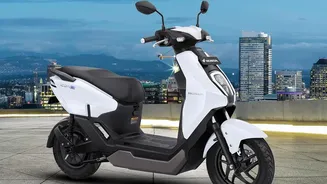
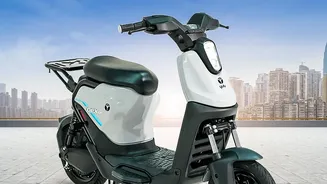
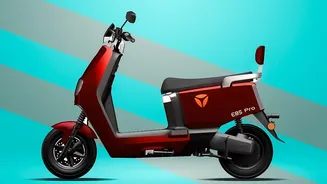
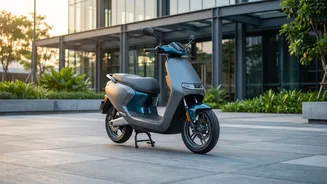
The implications for India's two-wheeler market are massive. With companies like Jitendra New EV Tech planning to launch sodium-ion powered e-scooters by early 2026, the transition is already underway. Major players like Reliance have also invested heavily, acquiring UK-based sodium-ion specialist Faradion with plans for a giga-factory in India. As manufacturing scales up, the cost benefits will become more pronounced. A cheaper, safer battery technology using locally sourced materials aligns perfectly with national priorities, including the Electric Mobility Promotion Scheme 2024. While a robust supply chain still needs to be built, the path is clear for sodium-ion batteries to become the workhorse of affordable electric mobility in the country.