






The Dawn of a New Era in Rail
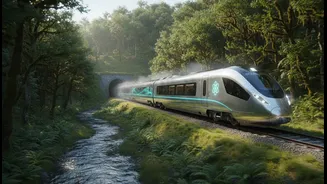
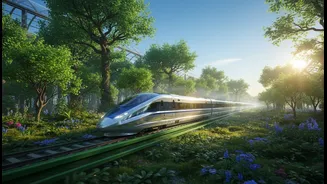
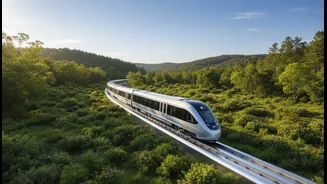
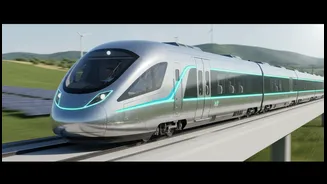
Indian Railways is poised to make history with the launch of its first-ever hydrogen-powered train. Prime Minister Narendra Modi is expected to inaugurate the service from Jind, Haryana, on July 17, 2026. This launch signifies a concrete step in India's
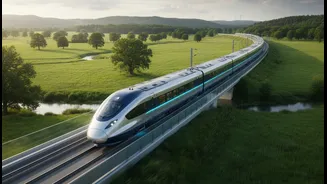
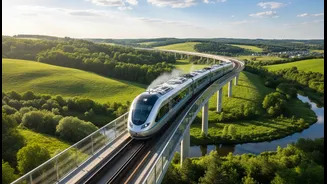
journey towards green mobility and sustainable infrastructure. Following the inauguration, the train is scheduled to begin commercial operations on the nearly 90-kilometre Jind-Sonipat route, completing two round trips daily. The project moves India into a select group of nations, including Germany and China, that are actively exploring hydrogen technology for their rail networks.
How Do Hydrogen Trains Work?
Unlike conventional diesel trains that burn fossil fuels, a hydrogen train functions like a self-contained, mobile power plant. It uses hydrogen fuel cells to generate electricity. Inside these cells, hydrogen stored in onboard tanks reacts with oxygen from the air. This electrochemical reaction produces electricity to power the train's motors and charge its auxiliary batteries. The remarkable part of this process is its only byproduct: water vapour. This means zero harmful emissions like carbon dioxide, nitrogen oxides, or particulate matter, resulting in a quieter and cleaner journey.
The Inaugural Run: Jind to Sonipat
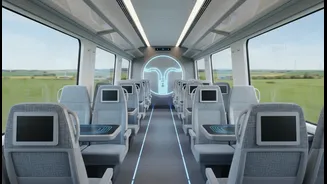
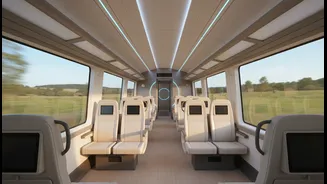
The first route chosen for this pioneering technology is the Jind-Sonipat corridor in Haryana. This train, developed by the Research Designs and Standards Organisation (RDSO) and manufactured at the Integral Coach Factory (ICF) in Chennai, consists of ten coaches, including two driving power cars. Though designed for a maximum speed of 110 kmph, it will operate at 75 kmph on this route. To support this initiative, a dedicated hydrogen production and refuelling facility has been established at Jind. This pilot project involves retrofitting an existing Diesel Electric Multiple Unit (DEMU) rake, showcasing an innovative approach to modernizing the fleet without replacing it entirely.
Beyond a Single Train: The Bigger Picture
This hydrogen train is not just a standalone experiment; it's a key component of India's larger strategic goals. It aligns with the ambitious National Green Hydrogen Mission, which aims to make India a global hub for the production and export of green hydrogen by 2030. With a target of producing at least 5 million metric tonnes of green hydrogen annually, the mission is backed by a substantial initial outlay of ₹19,744 crore. Indian Railways' own goal is to become a net-zero carbon emitter by 2030, and hydrogen trains are a critical tool to achieve this, especially on routes where electrification is challenging or not cost-effective. This initiative is part of the 'Hydrogen for Heritage' program, which plans to eventually run 35 hydrogen trains on various heritage and hill routes.
The Challenges on the Track Ahead
Despite the promise, the path to a widespread hydrogen rail network is not without its obstacles. The primary challenge is cost. The initial investment for hydrogen technology, from retrofitting trains to building refuelling infrastructure, is significantly high. One train alone costs an estimated ₹80-89 crore, with ground infrastructure adding another ₹70 crore per route. Furthermore, the current cost of producing green hydrogen is higher than diesel. Scaling up production to meet demand, ensuring the safety of a highly flammable fuel, and creating a nationwide distribution network are complex logistical and technical hurdles that must be overcome for the technology to become mainstream.