






The Deception of the Dinner Plate
The feeling that a small portion isn't enough isn't just in your head; it’s in your eyes. Our brains are surprisingly bad at judging volume in isolation. Instead, we rely on visual shortcuts, and one of the most powerful is the Delboeuf illusion. This
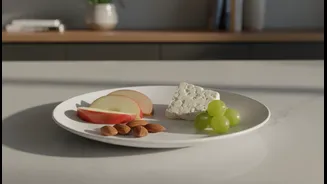
optical illusion shows that when two identical circles are placed side by side, the one surrounded by a large, empty ring appears smaller. In the context of food, a normal serving of pasta on a very large plate looks tiny, prompting us to feel like we've been short-changed. Conversely, the same amount of food on a smaller plate appears substantial and satisfying. Research shows that simply switching to smaller plates can reduce how much we serve ourselves because the plate looks pleasingly full, tricking our brain into contentment. Plate and bowl sizes have increased by nearly 23% since 1900, which may contribute to a silent increase in calorie consumption.
The Expectation-Satisfaction Gap
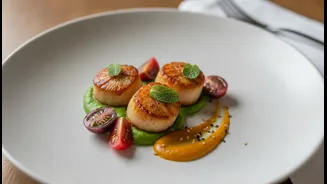
Satisfaction isn't just about a full stomach; it's a mental game. Our expectations, shaped by everything from advertisements to menu descriptions, play a huge role in how we experience a meal. A small portion, presented as a 'light,' 'healthy,' or 'gourmet' option, can seem appealing on paper. We build up an expectation of a certain experience. However, if the visual reality of the tiny portion doesn't align with our internal hunger signals, a disconnect occurs. Even if the dish is nutrient-dense, our brain's reward centers, which respond to visual food cues, might not get the signal they expect. Studies show that when there's a big gap between what we expect and what we get, it can lead to disappointment and a lingering feeling of dissatisfaction, regardless of the actual calories consumed.
The Myth of a 'Snack-Sized' Fix
The idea of eating small, frequent meals has been touted for years as a way to control hunger and boost metabolism. However, for many, this approach can backfire. Research suggests that breaking up meals into multiple tiny portions might actually increase feelings of hunger and the desire to eat. When you eat a more substantial, balanced meal, your body releases satiety hormones that clearly signal fullness to your brain. Constant grazing on small portions can disrupt these natural hunger and fullness cues, leaving you in a state of perpetual semi-hunger. Your body never gets the decisive message that it's truly full, making it easier to overeat throughout the day without ever feeling truly satisfied.
Hacking Your Brain for Fullness
Since our eyes play such a big role, we can use that to our advantage. Instead of falling for the aesthetic of a nearly-empty plate, you can take control of the visual cues. Using smaller dinner plates—around 9 or 10 inches—can make a standard portion look more generous, increasing perceived satisfaction. The color contrast between your food and your plate also matters; food tends to stand out more and appear more voluminous on a contrasting background. Beyond visual tricks, mindful eating is a powerful tool. By eating slowly, without distractions like phones or TV, you give your brain the time it needs—about 20 minutes—to register fullness signals from your stomach. Paying attention to the taste, texture, and aroma of your food enhances the sensory experience, which contributes significantly to overall satisfaction, helping you feel content with a reasonable amount.