


The common complaint about vegetarian dinners is that they sometimes leave you feeling hungry an hour later. But the secret to a hearty, satisfying plant-based meal isn't complicated—it's all about protein and fiber, easily found in one-pot meals.
The Science of a Satisfying Meal
That
feeling of lasting fullness after a meal is called satiety, and it's driven by a few key factors. Protein is the most satiating macronutrient, triggering hormones that tell your brain you're full. Fiber is another crucial player; it adds bulk to your food and slows down digestion, which helps stabilize blood sugar and energy levels. A meal that successfully combines both protein and fiber is the key to preventing that post-dinner snack raid. This powerful duo works together to keep you feeling energized and satisfied for hours. For those on a vegetarian diet, this means moving beyond simple salads and pastas and embracing ingredients that offer substance.
Quinoa: The Complete Protein Star
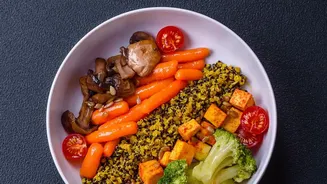
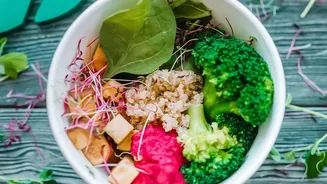
Quinoa stands out because it's a complete protein, meaning it contains all nine essential amino acids our bodies can't produce on their own. A single cooked cup offers about 8 grams of protein and 5 grams of fiber, making it a nutritional powerhouse. Its mild, slightly nutty flavor and fluffy texture make it incredibly versatile for one-pot dishes. It readily absorbs the flavors of whatever it's cooked with, from a spicy Mexican-inspired skillet with black beans and corn to a savory curry with chickpeas and butternut squash. Because it cooks relatively quickly, it's an ideal base for weeknight meals.
Farro: The Hearty, Chewy Contender
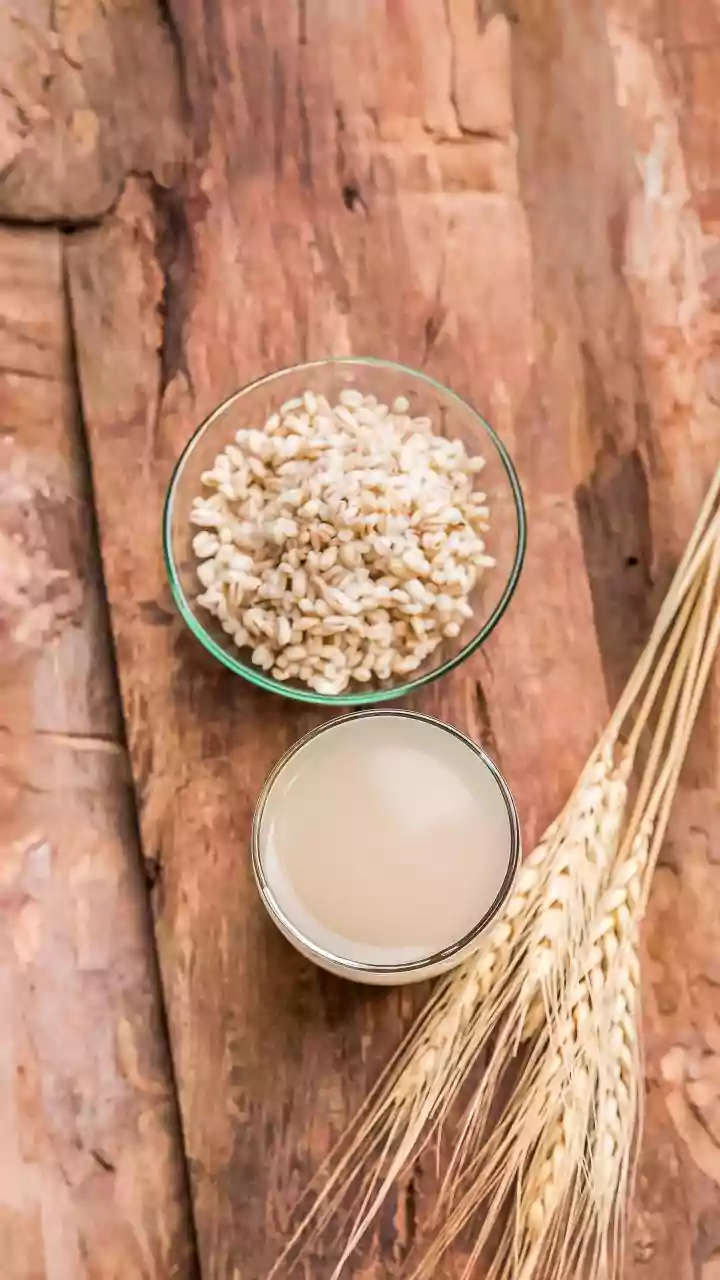
If you crave a more substantial, chewy texture in your meals, farro is an excellent choice. This ancient wheat grain has a satisfying bite and a rich, nutty taste that holds up well in soups, stews, and pilafs. Nutritionally, it's very similar to quinoa, providing a solid dose of protein and even more fiber, which is a huge bonus for satiety. A one-pan farro dish with sun-dried tomatoes, white beans, and greens creates a rustic, filling meal that feels both comforting and wholesome. Its robust nature makes it perfect for dishes where you want the grain to be a distinct component, not just a background element.
Amaranth: The Tiny Grain with a Big Impact
Though technically a seed, amaranth functions as a grain and boasts an impressive protein profile, slightly edging out even quinoa. It’s also packed with minerals like calcium and iron. When cooked, amaranth develops a creamy, porridge-like consistency, which makes it a fantastic natural thickener for hearty stews and soups. While its texture is different from the distinct grains of farro or quinoa, its ability to add creaminess and a major nutrient boost is unique. It’s an excellent addition to a one-pot African peanut stew or a spicy lentil curry, contributing to a richer, more satisfying final dish.
Building the Perfect One-Pot Meal
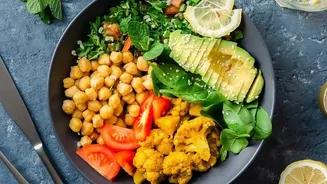
Using these grains as a base is just the start. To create a truly nutrient dense and satiating one pot vegetarian dinner, think in layers. Start with your high protein grain, then add legumes like chickpeas, lentils, or black beans to further boost the protein and fiber content. Next, load up on a variety of colorful vegetables for vitamins, minerals, and added volume. Don't forget a source of healthy fat, like a drizzle of olive oil, a handful of nuts, or a sliced avocado on top. Fat also slows digestion and contributes to feeling full. By combining these elements, you create a meal that checks every box: delicious, easy to clean up, and guaranteed to keep you satisfied.