






Understanding Seasonal Bloating
Our digestive system is often sensitive to change. This can be a shift in weather, like the transition into monsoon or winter, which can slow down our metabolism. It can also be a change in diet, such as the rich, fried, and sweet foods we enjoy during
festival seasons like Diwali or Holi. These changes can disrupt the delicate balance of our gut, leading to indigestion, gas, and that dreaded bloated feeling where your stomach feels tight and full. It’s not just about what you eat, but how your body processes it, and seasonal shifts can throw that process off-kilter.
The Power Duo: Cumin and Fennel
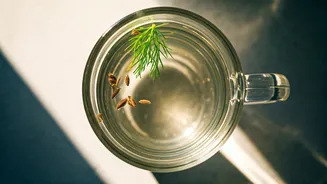
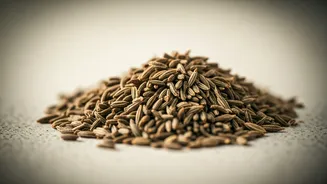
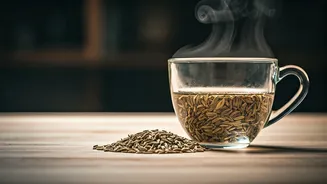
Enter two of the most humble yet powerful spices in any Indian kitchen: cumin (jeera) and fennel (saunf). For generations, our grandmothers have sworn by these seeds, not just for flavouring curries and pickles, but as potent digestive aids. Often served as a mouth freshener (mukhwas) after meals, their role goes far beyond that. When combined in a warm drink, they create a soothing, aromatic infusion that directly targets the common causes of bloating and indigestion. This isn't just folklore; it's ancient wisdom backed by properties we now understand through science.
Why Cumin (Jeera) Works
Cumin is a digestive powerhouse. Its primary active ingredient, thymol, stimulates the glands that secrete acids, bile, and enzymes responsible for the complete digestion of food. This ensures that food is broken down more efficiently, preventing it from sitting in your gut and fermenting, which is a major cause of gas and bloating. Furthermore, cumin seeds have carminative properties, which means they help to relieve gas from the intestines and provide relief from flatulence. A warm infusion helps release these essential oils effectively, delivering their benefits directly to your digestive tract.
Why Fennel (Saunf) Works
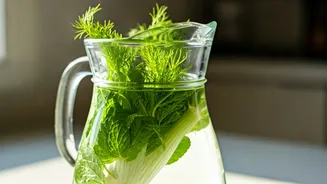
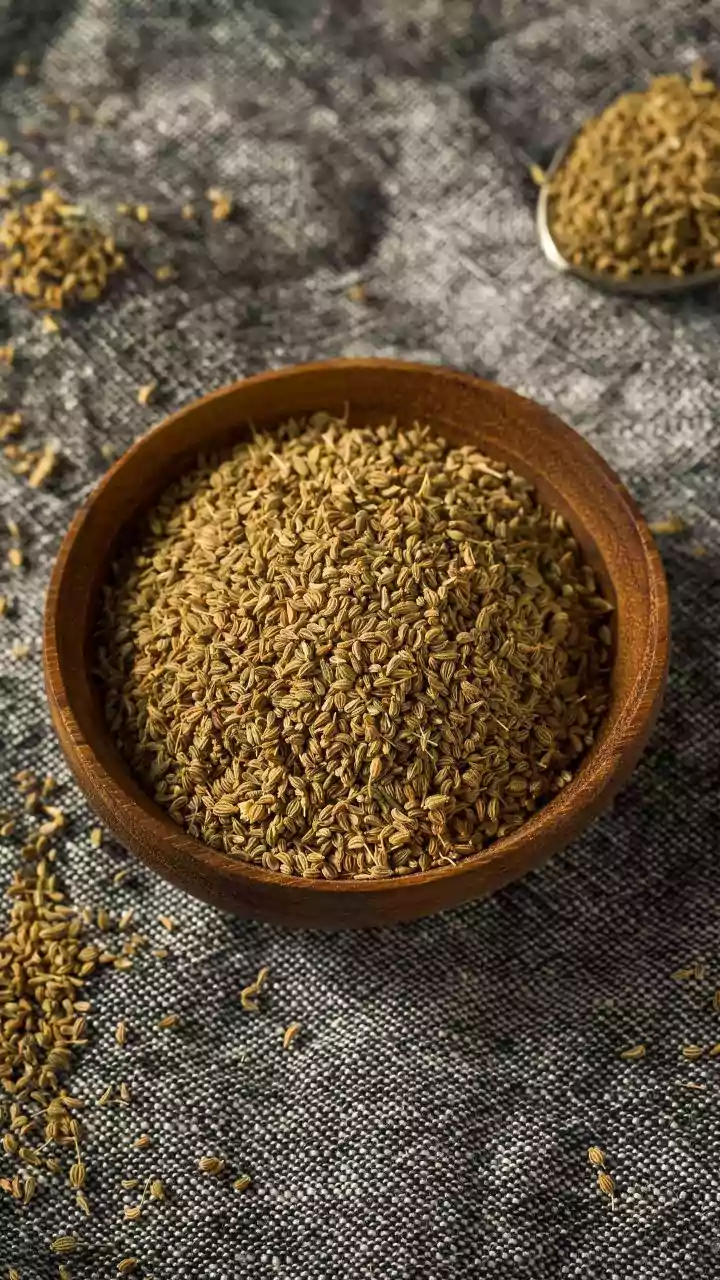
Fennel seeds are prized for their ability to relax the muscles in the intestines, which can help relieve constipation and trapped gas. The key compound, anethole, is thought to have anti-inflammatory and antispasmodic effects. This means it doesn't just help expel gas; it actively soothes the gut lining and reduces the cramping and discomfort that often accompany bloating. Like cumin, fennel is a strong carminative. Its slightly sweet, pleasant flavour also makes the drink more palatable and refreshing, turning a simple remedy into a comforting ritual.
The Simple Soothing Recipe
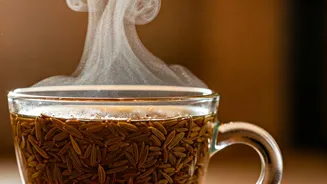
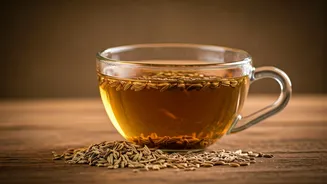
Creating this digestive tonic is incredibly simple. You don’t need any special equipment, just a pot and the spices you already have. Ingredients: - 1 teaspoon of cumin seeds (jeera) - 1 teaspoon of fennel seeds (saunf) - 2 cups of water Instructions: 1. In a small saucepan, add the cumin seeds, fennel seeds, and water. 2. Bring the water to a boil over medium heat. 3. Once it starts boiling, reduce the heat and let it simmer for about 5-7 minutes. You’ll notice the water changing to a pale, golden-brown colour as the seeds infuse their goodness. 4. Turn off the heat and strain the liquid into a mug. For an optional twist, you can add a small piece of ginger while boiling for extra digestive fire, or a squeeze of lemon juice and a drop of honey just before drinking.
When and How to Drink It
For the best results, consistency is key. You can drink this warm infusion about 30 minutes after your main meals (lunch and dinner) to aid digestion and prevent post-meal bloating. Alternatively, many find it beneficial to have a warm cup first thing in the morning on an empty stomach to kick-start their digestive system for the day. Sipping it slowly while it's still warm is crucial, as the warmth itself helps to relax the stomach muscles. Avoid gulping it down. Think of it as a mindful moment of self-care, allowing the fragrant steam and gentle heat to work their magic.