




The Anatomy of a Viral Trend
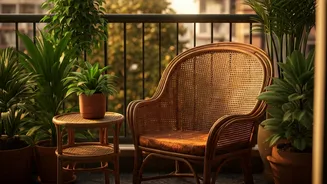
It didn't happen overnight, but the resurgence of cane furniture feels like a sudden explosion. So, what’s behind its viral comeback? The perfect storm of a few cultural shifts. Firstly, the pandemic-induced focus on home spaces made balconies the new
epicentres of domestic life. Previously neglected, these outdoor nooks became precious real estate for relaxation and escape. People wanted to make them beautiful, and do it quickly. Secondly, there’s the powerful influence of social media platforms like Instagram and Pinterest. The visual algorithms love the warm, textured, and photogenic nature of cane. Its natural, light-brown hue pops against green plants and colourful cushions, creating an effortlessly ‘aesthetic’ look that is highly shareable. A few key influencers posting their cane-adorned balconies created a ripple effect, and soon, a full-blown trend was born.
Nostalgia Meets Modernity
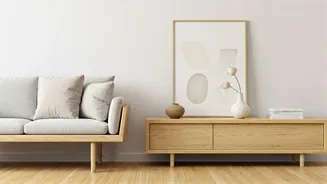
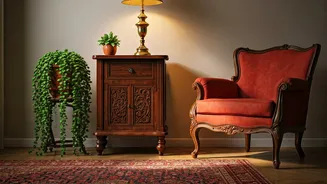
For many Indians, cane furniture isn't a new discovery; it's a memory. It evokes images of grandparents' homes, lazy summer afternoons, and a slower pace of life. This nostalgic pull is a significant part of its charm. Gen Z and millennials, generations often seeking authenticity and a connection to roots in a fast-paced digital world, are embracing cane as a link to a simpler past. However, this isn't a simple copy-paste of old decor. The comeback is characterized by a modern twist. Today, a vintage cane chair isn't paired with heavy, dark wood furniture. Instead, it’s styled in minimalist setups, alongside sleek metal planters, modern textiles, and contemporary art. It’s this blend of old-world charm and modern sensibility that makes the trend feel fresh and relevant, not dated.
More Than Just a Chair
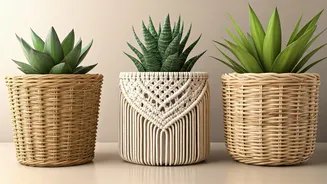
The trend goes far beyond the classic four-legged chair. We're seeing a revival of a whole ecosystem of cane products. Intricately woven cane swings (jhoolas) are becoming coveted statement pieces, turning balconies into dreamy retreats. Cane planters, side tables, lampshades, and even mirror frames are being used to create a cohesive, earthy vibe. The material’s versatility is a key driver of its popularity. It can be shaped into countless forms and its lightweight nature makes it ideal for apartment living, where furniture often needs to be moved and rearranged. This versatility allows for a high degree of personalization, which is exactly what today’s homeowners are looking for.
The Appeal of Sustainability and Craft
In an era of growing environmental consciousness, the appeal of cane is more than just skin deep. As a natural, fast-growing material, rattan (the vine from which cane is derived) is a more sustainable choice than plastic or heavily processed wood. This resonates deeply with a new generation of consumers who prioritize eco-friendly products. Furthermore, the cane furniture revival shines a spotlight on local artisans and traditional craftsmanship. Many of these pieces are handcrafted, supporting small-scale workshops and preserving age-old weaving techniques. Buying a piece of cane furniture can feel like an investment not just in your home’s aesthetic, but also in a sustainable and culturally rich craft ecosystem.