

The Allure of the Upcycled Planter
In a world of plastic pots, the rustic, natural charm of a coconut shell planter is undeniable. It's an appealingly simple way to give a second life to something that would otherwise be discarded. This upcycling project is not only budget-friendly but
also adds a unique, tropical touch to your windowsill, balcony, or garden. The deep brown shell creates a beautiful contrast with green foliage and colourful flowers, making it a conversation starter. Furthermore, because they are completely natural, these planters are biodegradable, breaking down over time and returning organic matter to the earth.
From Kitchen Scrap to Garden Pot
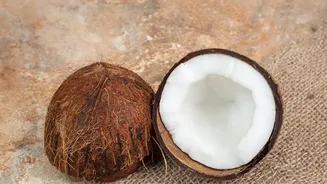
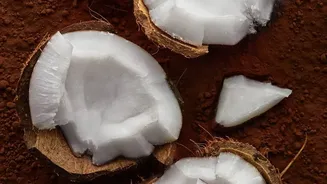
Creating your own coconut planter is a straightforward process. The most challenging part is often cracking the coconut open evenly. Once you've enjoyed the water and meat, the key is to clean the inside of the shell thoroughly to prevent any leftover flesh from causing problems for your plant. After cleaning, it's wise to sand any rough edges for a smoother finish. Crucially, you must drill small drainage holes in the bottom of the shell. This step is vital to prevent water from pooling and causing root rot, a common issue in any container without proper drainage. If you plan to hang your planter, you can also drill a few holes around the rim to thread jute or rope through.
The All-Important Caveat: Size and Space
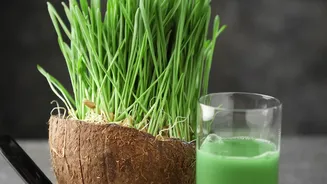
Here we come to the headline's central piece of advice. Coconut shells are, by nature, small. This makes them excellent for certain applications but limiting for others. They are ideal as starter pots for seedlings, providing a biodegradable alternative to plastic trays. Once seedlings are strong enough, they can be transplanted into a larger garden bed or pot. The shell itself can even be planted directly into the ground, where it will eventually decompose. However, if you don't have a larger garden or space for bigger pots, your plants will quickly outgrow their coconut shell homes. Their small size means they hold a limited amount of soil and nutrients, restricting root growth and the overall size of the plant.
Choosing the Right Plants
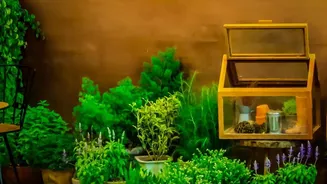
Given their compact size, coconut shell planters are best suited for plants with shallow root systems or those that are slow-growing. Succulents and cacti are popular choices because they are generally low-maintenance and don't require much root space. Small, trailing plants like string of pearls or certain varieties of pothos also work well, especially in hanging planters where they can spill attractively over the sides. Many herbs, such as mint, chives, and oregano, can also be started in coconut shells. However, for most plants, including herbs and flowers, the coconut shell should be seen as a nursery—a place to start their life before moving to a more spacious environment.
The Inevitable Transplant
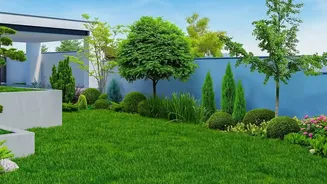
This brings us back to the core idea: you need garden space. Think of a coconut shell planter not as a permanent residence but as a charming, temporary nursery. The project is perfect for gardeners who plan to eventually move their plants to a larger setting. For those living in small apartments with no access to a garden or patio for repotting, these planters can become problematic. A plant that has become root-bound in a small container will stop thriving. Therefore, the joy of this sustainable project is fully realized when you have the next step planned: a spot in your garden or a larger container ready for when your plant needs more room to grow.