

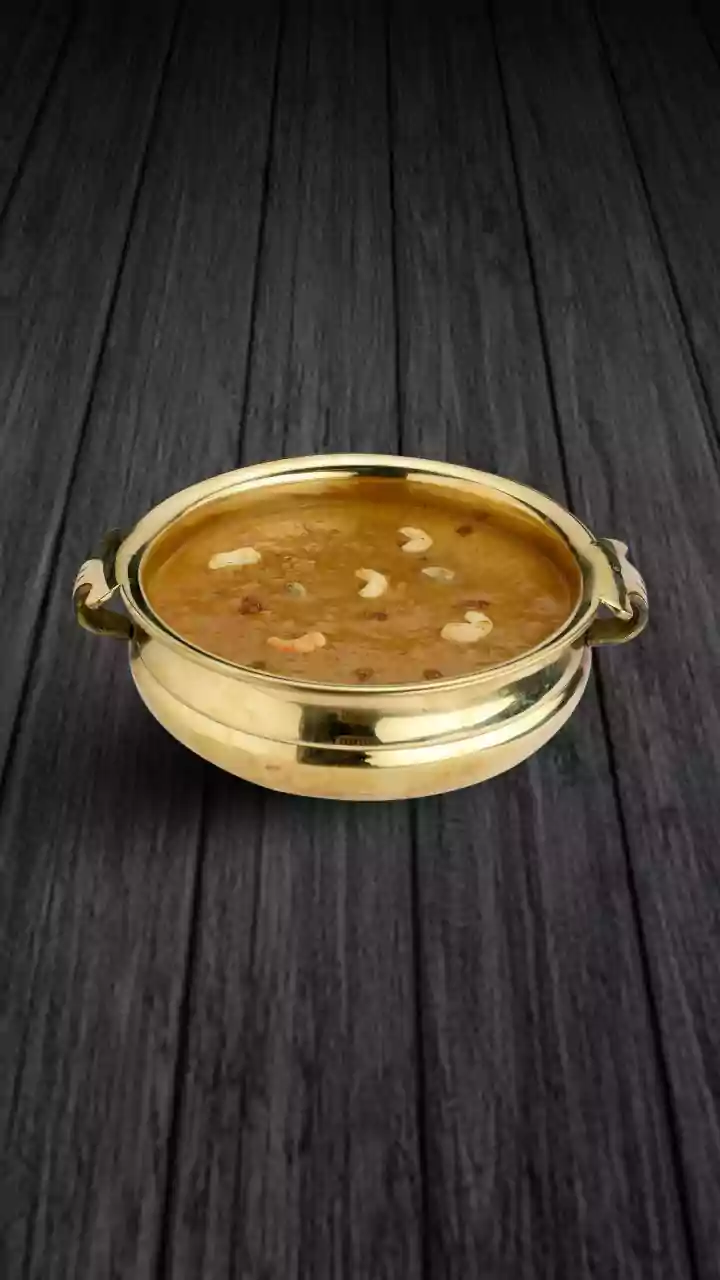



The Foundational Onion Puree
The humble onion is the cornerstone of countless Indian gravies, and when pureed, it creates a remarkably smooth and thick base. The trick is in the preparation. Rather than blending raw onions, which can impart a sharp taste, they should be cooked first.
You can either boil them until soft or, more commonly, sauté them in a little oil until they turn translucent and sweet. Once cooled, they are blended into a fine paste. This cooked puree not only thickens the sauce but also provides a deep, savoury sweetness that forms the backbone of the curry. Many chefs make a large batch of this onion puree and freeze it in portions for quick weeknight curries, a trick that saves considerable time.
The Power of Nuts and Seeds
For a truly decadent, restaurant-style creaminess, nuts and seeds are indispensable. Cashews are the most popular choice, prized for their mild flavour and ability to blend into a silky, rich paste. Soaking raw cashews in hot water for at least 15-20 minutes before blending is key to achieving a completely smooth consistency. Almonds are a great alternative, though they may require longer soaking and need to be blanched to remove their skins for a smoother, lighter-coloured gravy. For a less common but equally effective option, look to melon seeds (magaz) or sunflower seeds, which provide a similar thickening effect and are excellent for those with nut allergies. These pastes are typically stirred into the curry towards the end of cooking to preserve their delicate texture.
Coconut in All Its Forms
In South Indian and coastal cuisines, coconut is the go-to for creating creamy, fragrant curries. Full-fat canned coconut milk is the easiest and most common option, lending a rich body and subtle sweetness that pairs beautifully with spices. It’s important to use the canned variety rather than the thinner coconut milk sold in cartons as a beverage. For an even richer result, coconut cream, which is thicker and has a higher fat content, can be used. To thicken a curry with coconut milk, it should be simmered gently, as a hard boil can cause it to split. Freshly grated coconut, ground into a paste with a little water, also adds both texture and a fresh, unparalleled flavour.
Unsung Vegetable Heroes
Don't overlook the thickening power of vegetables themselves. Starchy vegetables like potatoes, when cooked until very tender, naturally break down and release their starch into the sauce, creating a thicker consistency. Sweet potato works similarly, adding a pleasant sweetness to the dish. Other vegetables like pumpkin or bottle gourd (lauki) can be grated or mashed into the gravy, where they melt away, adding body and nutrients without significantly altering the primary flavour. Even a well-cooked tomato base, when pureed, contributes significantly to a thicker, richer sauce, forming the foundation of many iconic curries like tikka masala.
Lentils and Legumes
A lesser-known but traditional technique for thickening curries involves using cooked lentils (dal). A few tablespoons of mashed masoor dal (red lentils) or moong dal can be stirred into a simmering gravy. Because these lentils cook down to a soft, creamy consistency, they blend seamlessly into the sauce, adding body, protein, and fibre. This method is particularly effective for making a curry feel more hearty and substantial. Similarly, a small amount of chickpea flour (besan) can be mixed with water to form a slurry and added to a simmering sauce, which will thicken as it cooks.