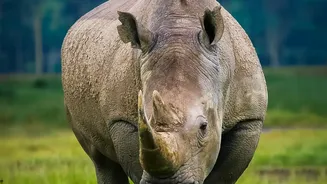




Imagine the morning mist lifting to reveal a one-horned rhinoceros grazing just metres away. This is the magic of Kaziranga National Park. A UNESCO World Heritage site in Assam, it promises an unforgettable wildlife experience. Here's your guide.
When to Visit: Timing Your Trip
Kaziranga
National Park is a seasonal destination, open to tourists from November to April. It remains closed from May to October due to the monsoon floods, when the Brahmaputra river inundates the grasslands. The best period for a visit is generally between November and February, when the weather is cool and pleasant, and the grasses are shorter, making wildlife spotting easier. December and January are peak months with the clearest skies, but also the biggest crowds, so booking in advance is crucial. For those who don't mind the heat, March and April can be rewarding; as water sources dry up, animals congregate around the remaining waterholes, often leading to excellent sightings.
Choosing Your Safari Zone
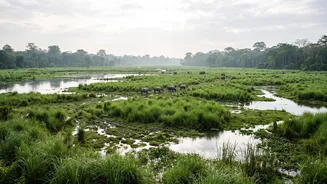
The park is divided into four main safari zones, each offering a distinct experience. For first-time visitors, combining zones is the best way to appreciate Kaziranga's diversity. The Central Range (Kohora) is the most popular, known for its high density of rhinos and elephants. The Western Range (Bagori) features vast open grasslands, making it ideal for photography and offering a high probability of close rhino encounters. The Eastern Range (Agoratoli) is a paradise for birdwatchers, with its extensive wetlands attracting a wide variety of resident and migratory birds. Finally, the Burapahar Range is hillier and more remote, offering a quieter, more forested safari experience.
Jeep Safari vs. Elephant Safari
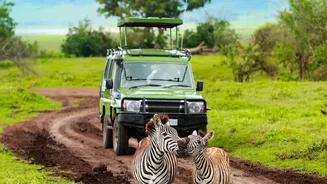
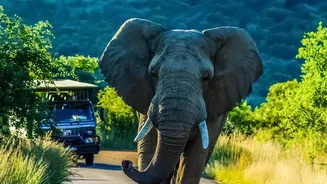
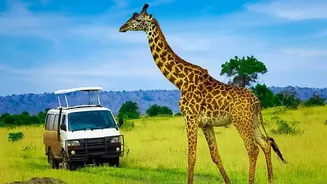
You have two primary ways to explore the park: by jeep or on elephant-back. The Jeep Safari is the most common option, allowing you to cover more ground across different habitats. These safaris are available in both morning and afternoon slots, typically lasting two to three hours. The Elephant Safari offers a completely different perspective. Conducted only in the early morning in the Central and Western ranges, this one-hour ride takes you through tall elephant grass where jeeps cannot easily go, often resulting in incredibly close rhino sightings. While the jeep safari is better for exploring diverse landscapes, the elephant safari provides a unique and intimate wildlife encounter. Many visitors choose to experience both.
Booking Your Safari Adventure
Booking your safari well in advance is highly recommended, especially during the peak season from December to February. You can book safaris through the official Assam government portal (sewasetu.assam.gov.in), though this often requires you to arrange your own vehicle and guide separately. A more common and hassle-free approach is to book through your hotel or a reputable local tour operator, who will handle permits, vehicles, and guides as part of a package. You will need to provide valid photo identification for all visitors at the time of booking and carry the same ID for verification at the park gate.
Beyond the Famous Rhino
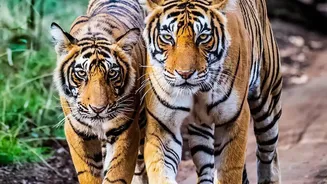
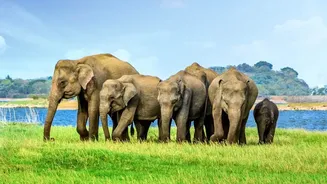
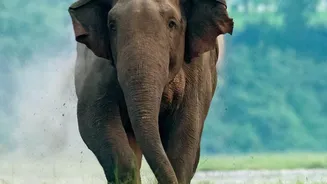
While Kaziranga is celebrated for protecting two-thirds of the world's great one-horned rhinoceros population, its biodiversity is staggering. The park boasts one of the highest densities of Royal Bengal tigers in the world and was declared a Tiger Reserve in 2006. It is also a crucial habitat for large breeding populations of Asian elephants and wild water buffalo. Other residents include the eastern swamp deer (barasingha), hog deer, sambar, wild boar, and the elusive hoolock gibbon, India's only ape. For bird lovers, Kaziranga is an Important Bird Area, with hundreds of species including pelicans, storks, eagles, and hornbills.
Essential Safari Tips
To make the most of your safari, dress in neutral, earthy colours like khaki, green, or brown to blend in with the surroundings. Early morning safaris are generally best for wildlife activity. Remember to carry essentials like binoculars for better viewing, a good camera with a zoom lens, a hat, sunscreen, and insect repellent. Always maintain silence during the safari, do not litter, and follow all instructions from your guide and forest officials. The goal is to observe the animals in their natural habitat without disturbing them.