





Embrace the Gourd Family
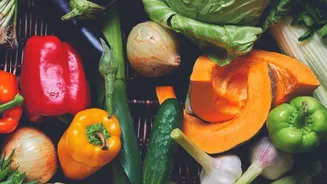
Traditional Indian wisdom has long favoured gourds like lauki (bottle gourd), turai (ridge gourd), and parwal (pointed gourd) during the rainy season. Nutritionists agree, highlighting that these vegetables are incredibly light on the digestive system,
which naturally slows down in humid weather. Rich in water content and fibre, they help maintain hydration and promote smooth digestion, preventing the bloating and heaviness that are common during this time. Bitter gourd (karela) is especially prized for its natural antimicrobial and immunity-boosting properties, helping the body fend off common infections.
The Power of Jamun and Pomegranate
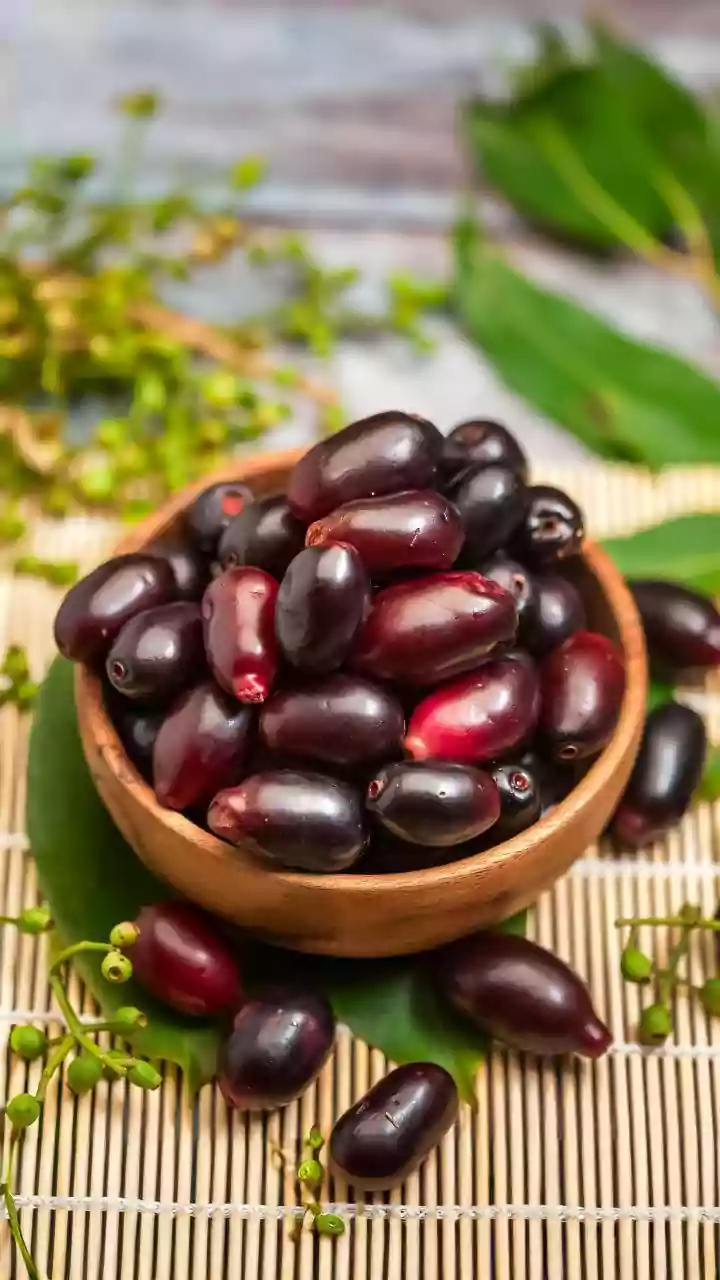
Jamun (Indian blackberry) is a true monsoon specialty fruit. Experts recommend it for its rich concentration of Vitamin C, iron, and antioxidants, which are crucial for building a strong immune defence. Its properties also support healthy digestion, making it an excellent seasonal choice. Similarly, pomegranate, which begins to arrive fresh during this season, is packed with powerful antioxidants and Vitamin C. Including these fruits in your diet can help the body reduce inflammation and fight off the seasonal infections that are rampant during the monsoon.
Snack Smart with Corn
The sight of roasted bhutta (corn on the cob) is a quintessential monsoon experience, and it's a healthy one too. Corn is a good source of fibre, which aids in digestion and helps you feel full, preventing cravings for unhealthy fried snacks that are popular during this season. While it is often enjoyed with salt and lemon, it can also be boiled and added to salads or light meals. It's a versatile grain that provides sustained energy without being heavy on the stomach, making it an ideal snack for the damp, cool weather.
Lean on Peaches and Pears
Stone fruits like peaches and pears, often arriving from the hill states, are excellent additions to a monsoon diet. Peaches are a good source of vitamins and help bolster the immune system. Pears are also recommended as they are light, easy to digest, and rich in antioxidants. Health experts suggest opting for fruits that can be peeled, as this reduces the risk of consuming contaminants that are more prevalent on fruit skins during the rainy season. Always wash all fruits and vegetables thoroughly before consumption.
Harness the Strength of Spices
Indian kitchens are a treasure trove of spices that become particularly beneficial during the monsoon. Nutritionists and health experts strongly recommend the regular use of ginger, garlic, and turmeric. These ingredients are renowned for their potent anti-inflammatory, antibacterial, and antiviral properties. Incorporating them into daily meals like dals, soups, and teas can help soothe the digestive system, provide warmth, and significantly boost the body's ability to combat colds, coughs, and other seasonal illnesses.
Swap Heavy Meals for Lighter Fare
A key principle of a healthy monsoon diet is to favour light, warm, and freshly cooked meals. The digestive system is naturally weaker, so heavy, oily, and fried foods put an unnecessary strain on it. Nutritionists suggest opting for meals like moong dal khichdi, which is easy to digest and nourishing. Probiotic-rich foods like homemade curd and buttermilk (chaas) are also recommended to support gut health, which is closely linked to a strong immune system. However, it is often advised to consume curd during the daytime.