





Start with the Right Foundation: Your Bag
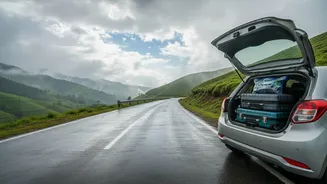
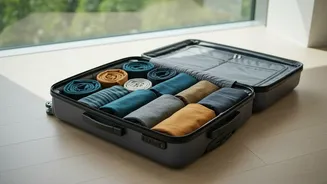
Your first line of defence is the luggage itself. While soft-sided fabric bags are common, they often rely on water-repellent coatings that wear off. For superior protection, consider a hard-shell suitcase made from polycarbonate or polypropylene. Water
simply beads up and rolls off these surfaces, preventing seepage. If you prefer a backpack or duffel, look for one made from waterproof materials with sealed or welded seams and water-resistant zippers, which are critical weak points. A bag with a high waterproof rating, often measured by its IPX rating (IPX6 or higher is ideal) or hydrostatic head (over 5,000mm), offers the best security against heavy, prolonged downpours.
The Internal Fortress: Layering with Dry Bags
Never underestimate the power of internal waterproofing. Even the best outer bag can fail during a torrential storm or if left on a wet tarmac. The most effective strategy is to compartmentalise using roll-top dry bags. These are lightweight, fully waterproof sacks that create an airtight seal when folded correctly. Pack different categories of items into separate dry bags: one for electronics, one for a complete change of dry clothes, and others for the rest of your apparel. For smaller items like documents, wallets, and charging cables, simple Ziplock or resealable plastic bags provide excellent and affordable protection against moisture.
An External Shield: The Rain Cover
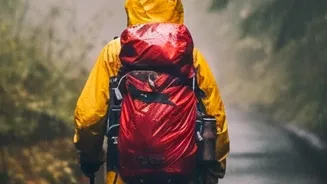
For backpacks and soft-sided luggage, a dedicated rain cover is an essential accessory. These covers are designed to fit snugly over your bag, providing an extra layer of protection against direct rainfall. However, be aware of their limitations. In heavy wind, rain covers can be peeled back, and water can still run down your back and pool at the bottom of the pack. For this reason, a rain cover should be seen as an additional defence, not your primary one. It works best when combined with internal dry bags for a comprehensive, two-tiered security system.
Choose Your Fabrics Wisely
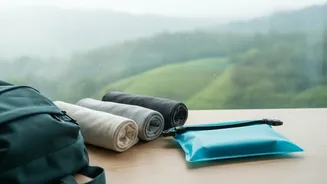
What you pack is as important as how you pack it. Cotton and denim are terrible choices for monsoon travel because they absorb moisture like a sponge and take a very long time to dry, leading to mildew and musty smells. Instead, opt for clothing made from lightweight, synthetic, quick-drying fabrics like polyester or nylon. These materials not only dry faster if they get damp but are also less bulky, saving precious space in your luggage. Packing a quick-dry microfibre towel is also a smart move; it absorbs water efficiently and dries much faster than a standard cotton towel.
Battle Humidity from Within: The Silica Gel Trick
Water intrusion isn't just about direct rain; high ambient humidity can make everything feel damp. Monsoon humidity levels can reach 80-95%, turning even well-packed clothes musty. A simple and effective trick is to distribute silica gel packets throughout your luggage. These small packets absorb excess moisture from the air, helping to keep the internal environment of your suitcase dry and your clothes smelling fresh upon arrival. You can collect them from new shoe boxes or electronic packaging, or purchase them online.
Strategic Unpacking and Immediate Action
Your diligence shouldn't end when you reach your destination. As soon as you arrive, open your luggage to let it air out. If any items are damp, deal with them immediately to prevent mildew from setting in. Hang clothes near a fan or in a well-ventilated area. Wipe down the inside and outside of your luggage, especially if it's a hard-shell case. This post-trip routine is crucial for maintaining the condition of your belongings and your luggage, ensuring you’re ready for the next rainy adventure.