









The Rush of Whitewater, The Rise of Worry
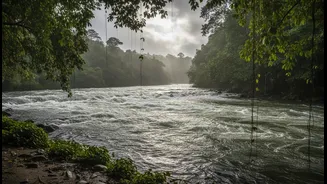
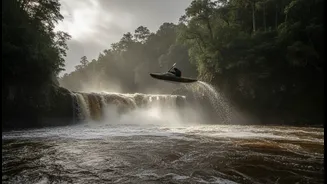
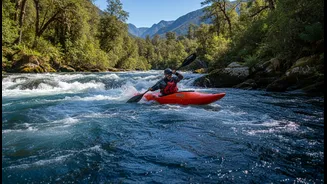
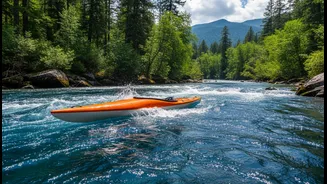
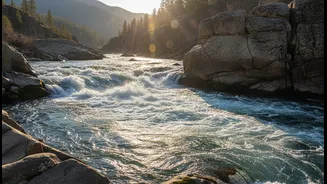
The Malabar River Festival, now in its twelfth edition, transforms the Chalipuzha and Iruvazhinjipuzha rivers into an international arena for whitewater kayaking. It’s a spectacular showcase of skill and adventure that has firmly placed Kerala on the global
adventure tourism map. The event, organised by the Kerala Adventure Tourism Promotion Society (KATPS) with technical oversight from the Indian Kayaking and Canoeing Association (IKCA), attracts dozens of international and national athletes. But as the festival's popularity has surged, so have the number of freelance guides and independent operators offering services to tourists and amateur enthusiasts. This has led to growing concerns among veteran instructors and officials about a lack of uniform safety standards and verifiable credentials, putting both participants and the state's reputation at risk.
A Murky Pool of Certifications
The core of the issue lies in the complex and often confusing world of guide certification. While many experienced guides hold credentials from internationally recognised bodies, others may operate with unverified qualifications or simply rely on informal experience. This creates a significant gap in ensuring consistent safety protocols. In 2020, Kerala's government introduced a mandatory registration system for adventure tourism providers, including for activities like kayaking, to create a benchmark for safety and quality. This system, managed by KATPS, was designed to vet operators based on guide qualifications, equipment quality, first-aid knowledge, and risk mitigation plans. However, the rapid growth of the sector and the seasonal nature of river guiding mean that enforcement can be challenging, leaving room for unaccredited individuals to operate on the fringes, especially during peak tourist events like the river festival.
Why Guide Credentials Are a Lifeline
On a fast-flowing river, a guide is more than just an instructor; they are a safety expert, a first responder, and a strategist who reads the water's unpredictable moods. A properly certified whitewater guide is trained in advanced rescue techniques, emergency medical care, and risk assessment specific to river environments. Without this assurance, tourists may be unknowingly placing their lives in the hands of someone ill-equipped to handle an emergency. Incidents not only endanger lives but also threaten the very foundation of Kerala's burgeoning adventure tourism industry. A reputation for safety is hard-won and easily lost, and a single major accident could deter international athletes and tourists, impacting local economies that have come to depend on the festival's success.
Navigating Towards Stricter Standards
In response to the spotlight on guide credentials, there is a renewed push to strengthen the existing regulatory framework. The Kerala Adventure Tourism Promotion Society (KATPS) has been at the forefront of this effort, establishing safety and security regulations for 31 different adventure activities. The state tourism department has an official portal listing accredited guides who have undergone required training and licensing, whether at the state, district, or national level. The challenge now is to ensure this official registry becomes the undisputed standard. Calls are growing for more visible enforcement during major events, mandatory credential checks for anyone offering commercial guiding services, and a public awareness campaign to educate tourists on how to verify their guide's qualifications before booking a trip. For adventure sports to thrive sustainably, this commitment to safety must be as powerful as the rapids themselves.