





The Shift to Skill-Based Hiring
For decades, resumes were built on degrees and self-reported skills. Today, companies in India are increasingly adopting a 'skills-first' approach, driven by AI's ability to process vast amounts of data. [5, 24] Instead of just looking at your university
or previous job title, AI-powered Applicant Tracking Systems (ATS) scan for concrete evidence of your abilities. [8, 11] This means a verifiable skill—like a certification, a coding project on GitHub, or proficiency in a specific software—is worth more than a vague claim. [10, 21] This trend is a response to a significant talent scarcity, where employers need to be sure a candidate can do the job from day one. [5, 24] The focus is moving away from where you studied and toward what you can demonstrably do. [24]
How AI Verifies Your Skills
When you apply for a job, your resume likely first meets an ATS. [4, 7] This software parses your document, extracting information and scoring it against the job description based on keywords. [8, 12] If a job requires Python, Adobe Photoshop, or an ISO 42001 certification, the system looks for those exact phrases. [12, 13] Beyond keyword matching, some AI tools analyse portfolios or even conduct initial screenings through automated interviews and technical assessments. [15, 19] In India, platforms like Talview and HireVue use AI to analyse video interviews for communication skills, while others auto-grade coding tests to provide an objective measure of technical prowess. [15, 16, 19] The goal for these systems is to create a shortlist of candidates whose skills are not just listed, but matched and, where possible, tested. [16, 23]
The Hard Skills That Get Noticed
AI is most effective at identifying and verifying 'hard skills'—the technical, teachable abilities that can be quantified. In India's booming AI job market, demand has surged for roles like AI engineers, data analysts, and cybersecurity experts. [2, 9] Specific skills that stand out on a resume include programming languages (Python, R), machine learning frameworks (PyTorch), data analysis tools (Tableau), and cloud computing platforms. [14, 22] But it’s not enough to just list them. The strongest resumes connect these skills to tangible outcomes. [14, 21] For instance, instead of saying "Familiar with AI tools," a better bullet point would be: "Used Claude to summarise client transcripts, saving an estimated 6 hours per week." [10, 21] This specificity provides the verification AI and human recruiters now look for. [10]
What About Soft Skills?
While AI excels at spotting technical qualifications, assessing soft skills like creativity, leadership, and critical thinking is more complex. [17, 26] AI-powered interview platforms may attempt to analyse tone and language to gauge traits like confidence, but this technology is still evolving and carries risks of bias. [3, 15] Some experts caution that AI can suffer from "context blindness," failing to understand the nuances of a career break or personal growth story. [3] Because of this, employers increasingly view soft skills as something to be validated by humans. PwC's 2026 Global AI Jobs Barometer notes that as AI handles routine tasks, uniquely human skills like judgment and empathy become more critical and are rewarded. [20] The consensus is that AI is a powerful first-pass filter, but the final, nuanced decision still rests with a person. [3, 19]
How to Make Your Resume AI-Friendly
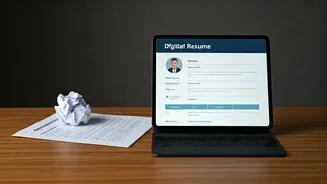
To ensure your application passes the initial AI screening, you need to think like the machine. First, tailor your resume for each specific job by incorporating keywords directly from the job description. [4, 8] Use standard, clear headings like "Work Experience" and "Education," and avoid complex formatting like tables, headers, or unusual fonts that can confuse the ATS. [7, 12] Quantify your achievements with numbers whenever possible. [14, 21] Instead of just listing skills, embed them in your experience section with context. For example, detail a project where you used a specific tool and what the outcome was. [10, 21] Finally, if you have a portfolio, certifications, or published work, link to them. This provides the ultimate form of verification that both AI and human recruiters value.