



The New Old Thing: Rejecting the Fast Fashion Cycle
For decades, the fashion industry has operated on a linear model: take, make, use, and dispose. This system, known as fast fashion, thrives on rapid trend cycles and low-quality garments, contributing to massive textile waste and environmental strain.
But a growing cohort of young, urban Indians is challenging this norm. They are embracing what is known as 'circular fashion'—an ecosystem where clothes are kept in use for as long as possible through reuse, repair, upcycling, and recycling. While the concept of resourcefulness has deep roots in Indian households, where clothes have traditionally been repaired and passed down, this new movement is a conscious, modern revival of those values, supercharged by a global environmental awareness.
Individuality Through Vintage Finds
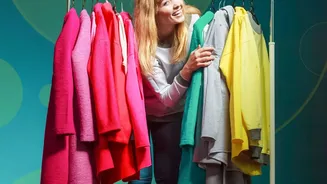
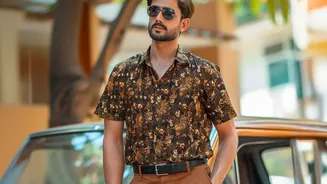
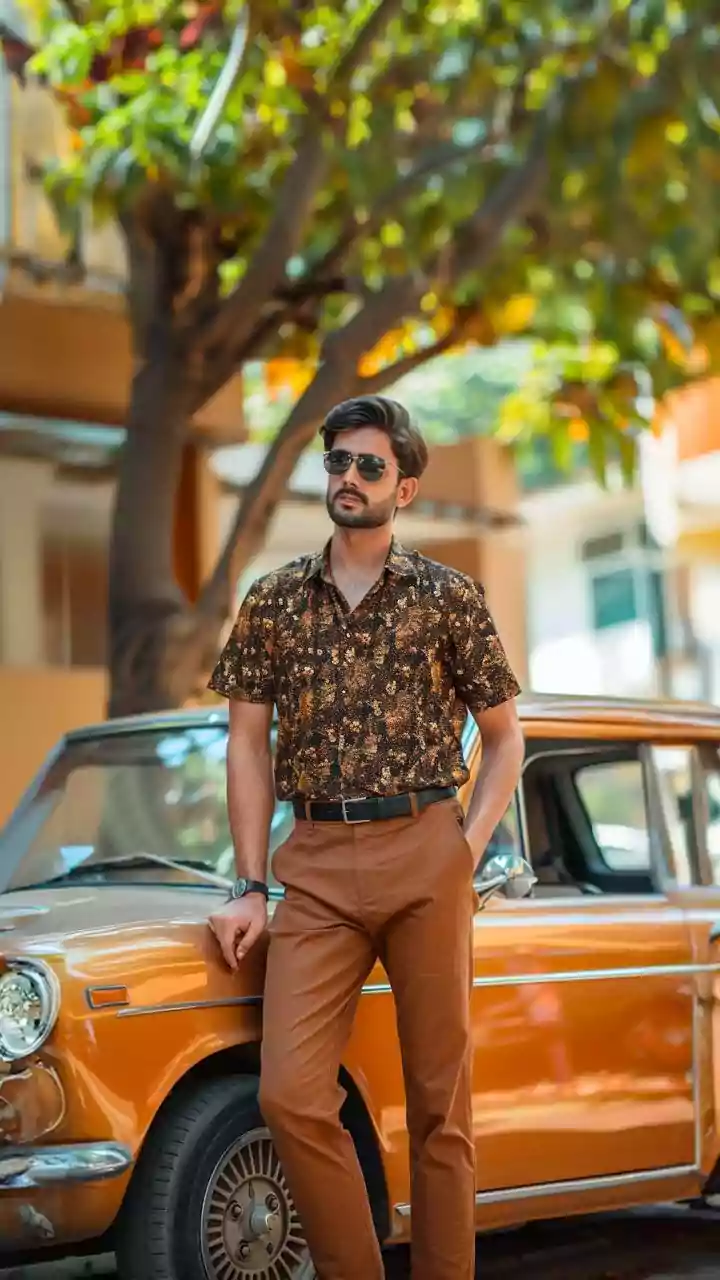
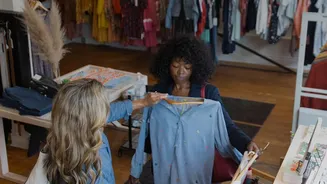
A key driver of this trend is the desire for uniqueness. In a world of mass-produced apparel from global chains, vintage and thrifted clothing offer a way to stand out. For Gen Z, fashion is a powerful form of self-expression, and owning a one-of-a-kind 90s windbreaker, a retro graphic tee, or a pair of perfectly worn-in mom jeans is a badge of individuality. This isn't just about saving money; it's about curating a personal aesthetic that tells a story. Enthusiasts describe the thrill of the “treasure hunt”—sifting through racks at a flea market or scrolling through online stores to find a unique piece that no one else will have. This act of discovery adds an emotional value to the garment that fast fashion simply cannot replicate.
The Rise of the Instagram Thrift Store
Social media, particularly Instagram, has been pivotal in popularizing thrifting in India. It has transformed second-hand shopping from a necessity into a trendy, aspirational activity. A vibrant ecosystem of online thrift stores has emerged, run by savvy curators who handpick and style vintage and pre-loved items for a fashion-forward audience. Pages like Bombay Closet Cleanse, LuuLiu, and Paradime Thrift have become go-to destinations for Gen Z and millennials, offering everything from Y2K staples to timeless designer pieces. These digital marketplaces make thrifting accessible and convenient, presenting curated collections in visually appealing posts and facilitating easy transactions, effectively normalizing the culture of pre-owned fashion across the country.
More Than a Trend: It’s a Value System
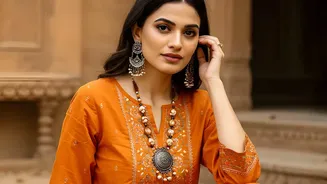
For many young Indians, this shift is about more than just aesthetics. It represents a conscious alignment of their purchasing habits with their values. By opting for second-hand items, they are actively reducing textile waste, lowering the demand for new production, and minimizing their carbon footprint. This generation is highly aware of issues like greenwashing and unethical labor practices in the fashion industry and uses its digital fluency to hold brands accountable. Upcycling—the creative reuse of old garments to create something new, like turning a vintage saree into a corset or adding embroidery to a denim jacket—has also become a popular way to extend a garment's life while adding a personal touch. This blend of creativity and conscience defines the movement, making it a powerful statement against overconsumption.
Challenges on the Circular Path
Despite its growing popularity, the circular fashion movement in India is not without its hurdles. A lingering stigma around second-hand clothing persists in some quarters, associating it with necessity rather than a conscious choice. Issues of hygiene, inconsistent sizing, and the lack of standardized quality checks can also be a concern for potential buyers. Furthermore, while awareness is high in urban centers, the infrastructure for large-scale textile recycling and waste management across the country is still developing. Overcoming these cultural and logistical barriers is the next critical step for the movement to transition from a burgeoning subculture into a mainstream fashion practice.