
Why Georgia Is a Backpacker's Dream
For Indian travellers, Georgia hits a sweet spot. The country has seen a significant rise in tourists from India, thanks to its affordability, stunning scenery, and welcoming nature. A major draw is the straightforward visa process; most Indians can get
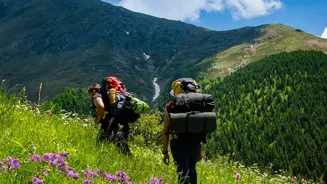
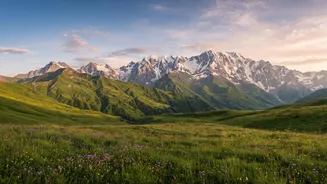
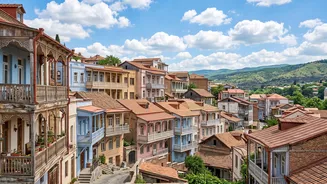
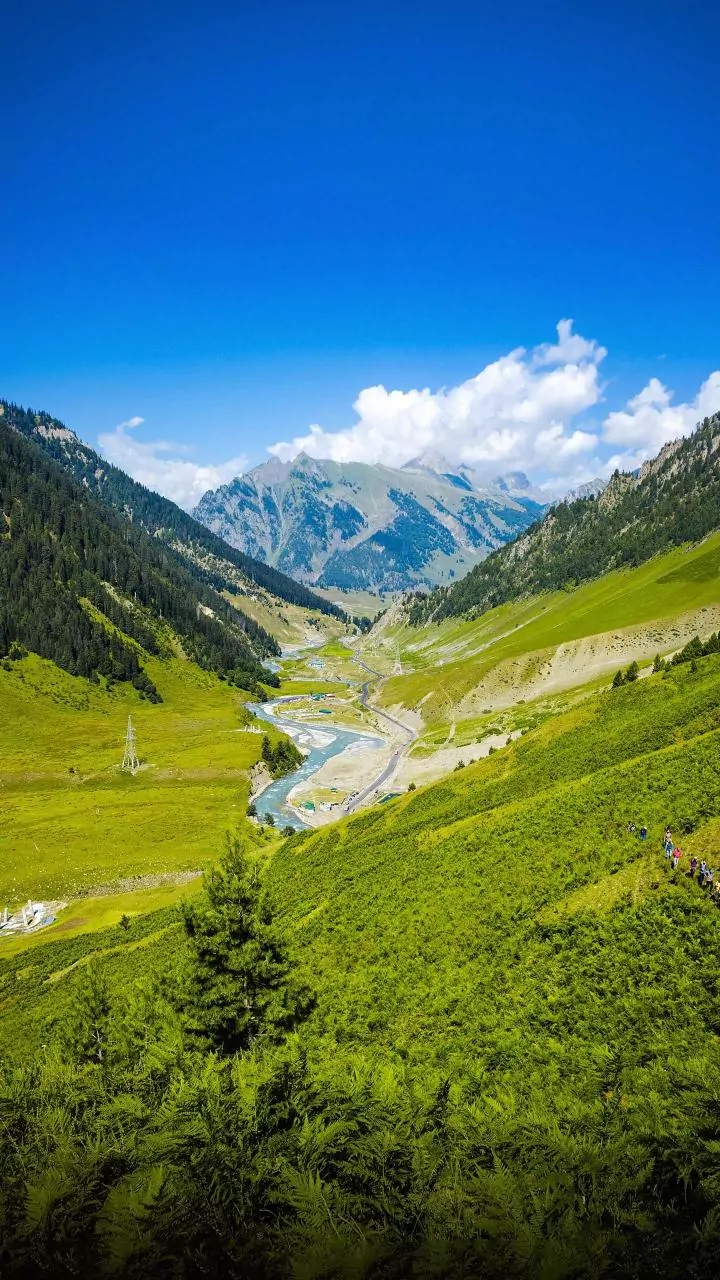
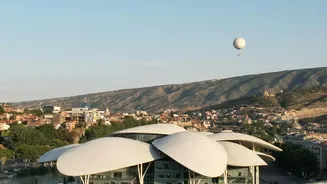
an e-Visa online in a few days. Some travellers holding valid visas for countries like the US, UK, or UAE may even be eligible for visa-free entry. Beyond the easy access, the cost of travel within Georgia is remarkably low compared to Western European destinations. Food, transport, and activities are all budget-friendly, making it possible to have a rich experience without draining your savings. The country offers a diverse landscape, from the bustling streets of its capital, Tbilisi, to the snow-capped Caucasus Mountains and the shores of the Black Sea.
The Hostel Advantage: More Than a Cheap Bed
For budget-conscious backpackers, hostels are the undisputed champions of accommodation. In Georgia, they offer more than just a place to sleep. They are vibrant social hubs where you can meet fellow travellers from around the world, share stories, and find companions for your adventures. This is especially true in Tbilisi, which has a wide range of fun and character-filled hostels. A dorm bed in a centrally located Tbilisi hostel can cost as little as ₹700–₹1,500 per night. Many hostels also offer perks like free Wi-Fi, shared kitchens to cook your own meals, and common areas that foster a sense of community. This social aspect is invaluable for solo travellers looking to connect with others. Guesthouses, which offer a similar budget-friendly and local experience, are more common in mountainous regions and smaller towns.
What to Expect from Georgian Hostels
Georgia's hostel scene is concentrated in its major cities, particularly Tbilisi, Kutaisi, and Batumi. In Tbilisi, you can find everything from large, design-focused hostels like Fabrika, which is a cultural centre in itself with cafes and bars, to smaller, cosier spots in the heart of the Old Town. Prices are very reasonable, with dorm beds often available for under €10 (around ₹800-₹900). While you'll find typical dorm-style accommodations, many hostels also offer private rooms for those wanting a bit more solitude without sacrificing the social atmosphere. Outside the capital, especially in mountain areas like Svaneti or Kazbegi, traditional guesthouses run by local families are more prevalent than typical hostels, often providing home-cooked meals and an authentic cultural immersion.
Top Cities for Hostel Stays
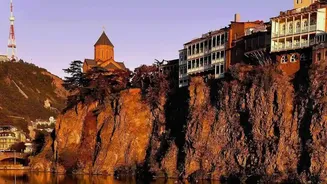
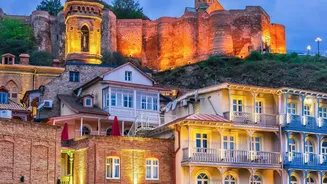
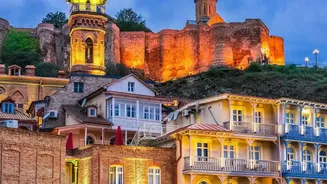
Tbilisi is the undeniable hub of Georgia's backpacker circuit. Its Old Town and the trendy Marjanishvili neighbourhood are packed with hostels catering to every style and budget. From here, you can easily explore the city's ancient churches, sulphur baths, and vibrant nightlife. Kutaisi, Georgia's second city, is another great base for backpackers. It has a good selection of friendly hostels and serves as a gateway to nearby natural wonders. For those looking for a coastal vibe, Batumi on the Black Sea offers a mix of modern architecture, beaches, and a lively atmosphere, with accommodation options to match. In the mountains, while dedicated hostels are fewer, towns like Mestia in Svaneti and Stepantsminda (Kazbegi) have a robust network of guesthouses that welcome backpackers.
Tips for Budget Travel in Georgia
Choosing hostels is the first step to a cheap trip, but there are other ways to save. For transport, use the marshrutka (shared minibus) system for inter-city travel; it's cheap and efficient. In Tbilisi, the metro is incredibly affordable, and ride-hailing apps like Bolt offer very cheap taxis for getting around. When it comes to food, Georgian cuisine is both delicious and inexpensive. Eating at local bakeries for a fresh khachapuri (cheese-filled bread) or dining at small, family-run restaurants will allow you to feast for very little. A hearty meal with dumplings and a drink can cost as little as ₹300-₹600. Booking flights and accommodation a few weeks in advance, especially during the shoulder seasons of spring and autumn, can also lead to significant savings.