



The Old and Unfortunate Observation
Anyone who has loved both a tiny Chihuahua and a majestic Great Dane knows the unfair math of their lifespans. While smaller dogs can live well into their teens, their giant counterparts are often considered geriatric by age five or six. This paradox
has puzzled scientists because across the wider animal kingdom, larger species like elephants and whales typically outlive smaller ones like mice. Domestic dogs are a curious exception. For centuries, we have selectively bred them for traits like size, creating the incredible diversity we see today, from pocket-sized pups to gentle giants. This intense selection, however, seems to have come with a hidden cost, creating a trade-off between growth and longevity that researchers are only now beginning to understand at a genetic level.
A New Epigenetic Explanation
A recent study published in the journal 'Science' provides one of the most compelling explanations to date. Researchers from Arizona State University, as part of the Dog Aging Project, looked beyond the basic DNA sequence to the 'epigenome'. Think of the epigenome as a layer of instructions on top of the DNA that tells genes when to switch on or off. One key process is DNA methylation, where chemical tags act like stop signs to control gene activity. These patterns change predictably with age, and scientists can use them to measure 'biological age'—how old an animal is at a cellular level, not just in calendar years. By analysing DNA from nearly 900 dogs across 120 breeds, the team discovered that large dogs show accelerated aging on this molecular level.
The Trouble with 'Jumping Genes'
The study zeroed in on a specific part of the genome: transposable elements, also known as 'jumping genes'. These are stretches of DNA that can copy themselves and move to new locations, and one type, called LINE1s, is particularly important. Normally, DNA methylation keeps these jumping genes quiet and prevents them from causing chaos. As dogs age, however, they lose some of this methylation control. The study found that this loss is much faster in large dogs. Giant breeds lost about 35% more of these chemical tags on their LINE1 genes each year compared to small breeds. When these jumping genes become more active, they can damage DNA, leading to genomic instability, inflammation, and a higher risk of diseases like cancer—all hallmarks of aging.
Growth vs. Longevity: A Biological Trade-Off
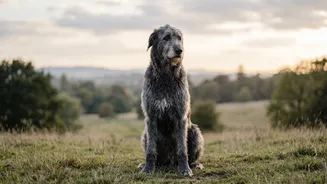
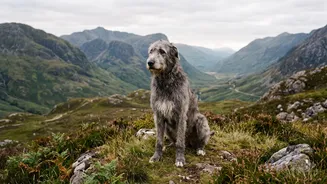
The findings suggest that the very thing that makes large dogs large—rapid growth—is directly linked to their faster aging. The accelerated growth in breeds like Irish Wolfhounds and Saint Bernards seems to put their cells on a fast track. This life-in-fast-forward theory is supported by other research linking high levels of a growth-promoting hormone, Insulin-like Growth Factor 1 (IGF1), to both large size and shorter lifespans in dogs. Essentially, the selective breeding that created these magnificent, large frames may have inadvertently weakened the genetic mechanisms that protect against the ravages of time. The dysregulation of jumping genes appears to be a key molecular consequence of this long history of human selection for size.
What This Means for Dog Owners
While this research provides a powerful explanation, it does not change the immediate care advice for large-breed dogs. It does, however, underscore why proactive health management is so critical for them. Owners of large and giant breeds should remain vigilant about regular veterinary check-ups, a balanced diet to support healthy growth without excess strain, and monitoring for age-related conditions like cancer and joint problems, which are more common in larger dogs. The study also found that dogs whose 'epigenetic age' was older than their chronological age had a higher risk of death in the following two years, highlighting how these molecular changes are tied to real-world health outcomes.