


Paro: The Spiritual Gateway
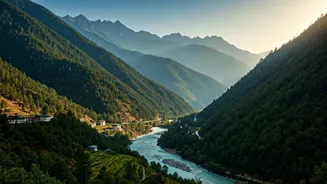
Most journeys to Bhutan begin in Paro, home to the country's only international airport. But this valley is more than just an entry point; it's an immediate immersion into tranquillity. The Paro Chhu river meanders through lush green rice paddies, dotted
with traditional, ornate farmhouses. The town itself is a charming collection of shops and cafes where you can acclimatise to the slower pace of life. Of course, the main event here is the hike to Paro Taktsang, or the Tiger's Nest Monastery. Clinging precariously to a sheer cliff face 900 metres above the valley, this sacred site is a breathtaking feat of architecture and devotion. The trek up is a pilgrimage in itself, with prayer flags fluttering in the wind and rewarding views at every turn. It’s a physical challenge that culminates in an unforgettable spiritual experience.
Thimphu: The Unconventional Capital
Drive an hour from Paro and you'll arrive in Thimphu, a capital city unlike any other in the world. The first thing you'll notice is the absence of traffic lights. Instead, a policeman in a decorated booth directs traffic with elegant, dance-like gestures. This small detail speaks volumes about Bhutan’s commitment to a human-centric way of life. Thimphu seamlessly blends tradition with quiet modernity. You can visit the massive Buddha Dordenma statue, which overlooks the entire valley, explore the Centenary Farmers' Market for a taste of local life, and visit the National Textile Museum to admire the intricate art of Bhutanese weaving. It’s a capital where culture is not just preserved in museums but is a living, breathing part of the city's fabric.
Punakha: The Valley of Bliss
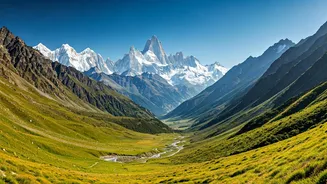
A scenic drive over the Dochula Pass, with its stunning 360-degree panoramic view of the Himalayas on a clear day, takes you to the subtropical valley of Punakha. This region served as the capital of Bhutan until 1955 and is home to what many consider the most beautiful fortress in the country: the Punakha Dzong. Situated at the confluence of the Pho Chhu (father) and Mo Chhu (mother) rivers, the 'Palace of Great Happiness' is an architectural marvel with its towering whitewashed walls and intricate woodwork. The climate here is warmer, making it a pleasant destination year-round. A short walk through rice fields leads you to the Chimi Lhakhang, a quirky and famous temple dedicated to the 'Divine Madman,' a maverick saint.
A Carbon-Negative Kingdom
The promise of 'clean air' in the headline is not just marketing; it's a verifiable fact. Bhutan is one of the only carbon-negative countries in the world, meaning it absorbs more carbon dioxide than it produces. This is mandated by its constitution, which requires that at least 60% of the country remains under forest cover; currently, it’s over 70%. For anyone living in a bustling Indian metro, the simple act of taking a deep breath in Bhutan feels like a luxury. The air is crisp, the water is pure, and the landscapes are pristine. This deep-rooted environmental consciousness is part of what makes a trip here so restorative.
Essential Info for Indian Travellers
For Indian citizens, travelling to Bhutan is remarkably straightforward. You can enter by air via Paro or by road through Phuentsholing. While citizens from other countries pay a high Sustainable Development Fee (SDF) of $100 USD per person per night, Indian nationals pay a much-reduced fee of ₹1,200 per person per night. Children aged 6-12 pay ₹600, and those under 6 are exempt. This fee contributes directly to Bhutan's public services, healthcare, and environmental conservation. You will need a permit, which can be processed online or upon arrival, and a valid ID (Passport or Voter ID card). This makes Bhutan one of the most accessible and rewarding international destinations for Indians.