




From Stale Bread to Silky Soups
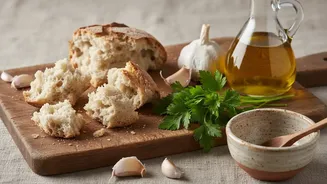
That rock-hard baguette or the dried-out ends of a rustic loaf are culinary gold, not garbage. Stale bread is the traditional, thrifty secret to creating soups with incredible body and texture. Its ability to absorb liquid and break down makes it a perfect
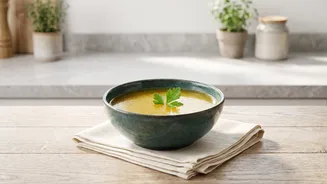
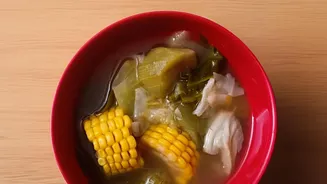
natural thickener. The classic Tuscan soup, Pappa al Pomodoro, is a prime example. This beloved dish is built around stale bread, which is simmered with tomatoes, garlic, and stock until it dissolves into a rich, porridge-like consistency. To try it, simply tear your stale bread into chunks and add them to a simmering tomato-based soup for the last 20-30 minutes of cooking. The bread will melt into the broth, creating a hearty and satisfying meal from what was once destined for the compost. This technique works beautifully in any vegetable or bean soup.
Creating a Rustic Bread Dip
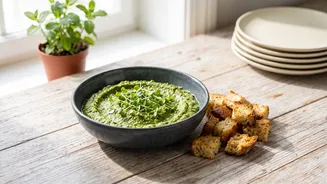
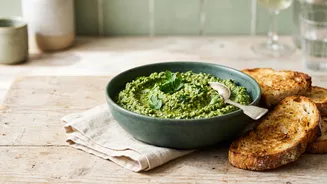
Beyond soup, stale bread can be the star of a delicious and hearty dip. Think of it as a deconstructed panzanella salad. Start by toasting cubes of stale bread in the oven with a little olive oil until they are crisp. In a large bowl, combine chopped ripe tomatoes, finely sliced red onion, cucumber, and fresh basil. Add the toasted bread cubes and toss everything with a simple vinaigrette of olive oil and red wine vinegar. Let the mixture sit for about 15 minutes; the bread will soften slightly as it soaks up the tomato juices and dressing, creating a wonderfully textured salad-dip hybrid. For a creamier dip, you can blend soaked stale bread with white beans, garlic, olive oil, and a squeeze of lemon juice until smooth. The bread provides a unique creaminess and body that you won't get from beans alone.
Vegetable Peels: The Foundation of Flavor
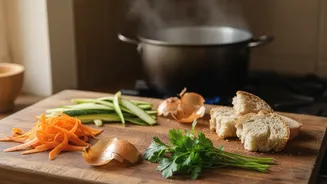
Every time you peel a carrot, onion, or the end of a celery stalk, you are holding the building blocks of a deeply flavorful vegetable broth. Professional kitchens and savvy home cooks save these scraps to create free, delicious stock. Keep a large bag or container in your freezer and add clean vegetable trimmings to it throughout the week. This can include onion and garlic skins, carrot peels, mushroom stems, and even wilted greens. Once your bag is full, simply empty the frozen scraps into a large pot, cover them with water, add a bay leaf and some peppercorns, and let it simmer for at least an hour. The resulting liquid will be a fragrant, nutrient-rich broth perfect for any soup recipe. Be mindful to avoid using too many bitter peels, such as raw potato skins in large quantities, or scraps from the brassica family like cabbage and broccoli, which can overpower the stock.
Harnessing the Power of Herb Stems
Tossing out the stems of fresh herbs like parsley, cilantro, and basil is like throwing away flavor. While the leaves are tender, the stems often contain a more concentrated and intense taste. For soft-stemmed herbs like cilantro and parsley, you can simply chop the stems finely and add them directly to salsas, salads, and chimichurri. They provide a pleasant texture and a fresh, zesty kick. Woody stems from herbs like rosemary and thyme are fantastic for infusions. Gently warm some olive oil or cream and add the stems, letting them steep for 20 minutes before straining. The infused oil is perfect for dressings, while the herb-infused cream can elevate mashed potatoes or pasta sauces. Another great trick is to tie a bundle of stems with kitchen twine and use it as a brush to baste grilling meats and vegetables, imparting subtle herbaceous notes as you cook.