
A New Definition of Fusion
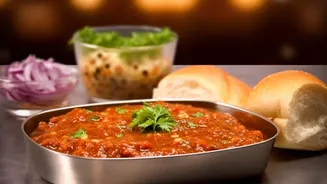
For years, 'fusion' often meant slapping chicken tikka on a pizza. Today’s trend is far more thoughtful. A new generation of chefs is looking inward at the vast diversity of India's regional staples—from khichdi to pav bhaji—and asking how they can be
elevated, not just changed. It's less about forced combinations and more about a confident culinary dialogue. This new movement, sometimes called 'glocal', respects the soul of the original dish while introducing global techniques or ingredients that complement its core flavours. It’s about presenting familiar tastes in contemporary formats that resonate with an increasingly curious Indian diner.
Comfort Classics with a Global Twist
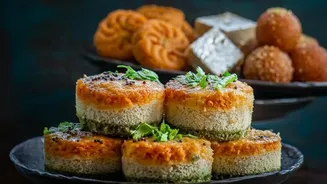
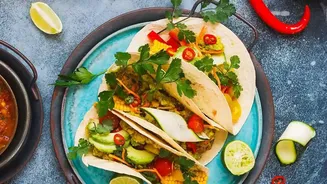
Across menus in metropolitan cities, you can see this creativity at play. The humble khichdi, long associated with simple, restorative meals, is now appearing on fine-dining menus made with quinoa or paired with exotic mushrooms and a drizzle of truffle oil. South India's versatile dosa is being used as a crispy shell for tacos filled with everything from pulled pork to spiced jackfruit. Even the quintessential butter chicken is getting a modern update, with some chefs using Italian San Marzano tomatoes to lend a different kind of sweetness and tang to the rich gravy. Other inventive pairings include biryani-style risotto, which marries Indian spices with Italian creaminess, and street-food favourites like kachori getting a flavour boost from smoked bacon.
Why Is This Happening Now?
Several factors are stirring this pot of innovation. Increased global exposure through travel and the internet has made Indian palates more adventurous. Diners are now as comfortable with sushi as they are with samosas, creating an audience that appreciates creativity. Furthermore, a new wave of Indian chefs, many with experience in international kitchens, are returning home with a desire to showcase the potential of their own culinary heritage. They are moving beyond generic 'Indian' menus and diving deep into hyper-regional cuisines, celebrating the unique ingredients and stories from specific communities. This isn't about abandoning tradition but having the confidence to experiment with it, knowing that the foundation is strong.
More Than a Passing Fad
While some of these dishes may seem like novelties, the underlying trend is significant. It marks a shift from Indian cuisine needing to explain itself to a global audience to a period of bold self-expression. Chefs are increasingly focusing on provenance, highlighting heirloom grains from Chhattisgarh or specific chilli varieties from Coorg, treating local ingredients with the same reverence once reserved for imported luxuries. This movement also aligns with a growing consumer interest in health and wellness, with chefs incorporating ancient grains like millets and lighter cooking techniques into their modern creations. By doing so, they are not only creating exciting new dishes but also proving that traditional Indian food can be dynamic, adaptable, and endlessly surprising.