







As the temperature drops, we seal our homes to stay warm. But this cozy habit has a downside: a noticeable increase in household dust. This isn't just your imagination; there are clear scientific reasons why winter makes your home dustier.
The Great Indoor Lockdown
The primary
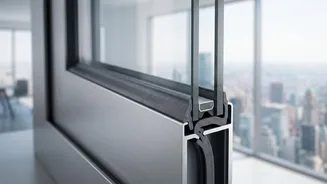
reason for increased winter dust is simple: a lack of fresh air. During warmer months, open windows and doors create natural ventilation, allowing airborne particles to escape. In winter, we seal our homes tight to conserve heat. This creates a closed-loop system where dust, allergens, and other pollutants become trapped. With nowhere to go, these particles continually circulate and settle on every available surface, making your cleaning efforts feel frustratingly temporary. Americans spend up to 90% of their time indoors, a figure that often increases in winter, meaning we are breathing this concentrated, particle-heavy air for extended periods.
What Is This Stuff, Anyway?
Household dust is a complex and often unpleasant mixture of indoor and outdoor materials. A significant portion is composed of dead skin cells shed by people and pets. The rest is a cocktail of fabric fibres from clothing and furniture, soil particles tracked in from outside, pollen, and microscopic pet dander. It also contains less savory elements like dust mites and their waste products, which are potent allergens for many people. Essentially, everything that creates small particles in your home—from your favourite jumper to your furry friend—contributes to the dust that becomes trapped indoors.
Your Heating System Is a Dust Disruptor
Your furnace or central heating system is a double-edged sword. While it provides essential warmth, it also acts as a powerful dust circulation machine. When the system kicks on, it pulls air through return vents, which can stir up settled dust from carpets, floors, and furniture. This dust is then blown back out through supply vents, distributing it throughout the entire house. A dirty or clogged air filter exacerbates the problem, failing to trap these particles and allowing them to be endlessly recirculated. Furthermore, the dry air produced by many heating systems allows microscopic particles to remain airborne for longer periods, rather than settling where they can be easily wiped away.
The Health Effects of Dusty Air
An increase in dust isn't just an aesthetic issue; it has real health implications. For individuals with asthma, allergies, or other respiratory conditions, it can be a major trigger. Dust mites, in particular, are a leading cause of indoor allergies, with their waste products causing symptoms like sneezing, coughing, itchy eyes, and a runny nose. Even for those without specific allergies, inhaling high concentrations of particulate matter can lead to respiratory irritation, headaches, and general fatigue. Because dust can also act as a carrier for other pollutants like mould spores and chemicals from household products, cleaner air is a cornerstone of a healthier indoor environment.
How to Fight Back and Breathe Easier
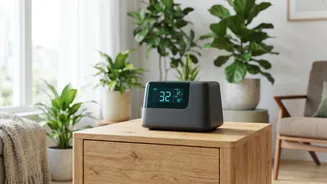
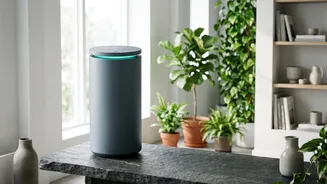
While you can't eliminate dust entirely, you can take effective steps to manage it. Regularly check and replace your HVAC system's air filter—at least every 90 days is a common recommendation. Consider upgrading to a high_efficiency filter that traps smaller particles. Using an air purifier with a HEPA filter can also capture a significant amount of airborne dust and allergens. Maintain an indoor humidity level between 30% and 50%; this prevents the air from becoming too dry, which keeps dust airborne, and too damp, which encourages dust mites and mould. On milder days, open windows for even just a few minutes to allow for a cross_breeze that helps ventilate your home. Finally, consistent cleaning with a vacuum that has a good filter and wiping surfaces with a damp or microfibre cloth will capture dust rather than just moving it around.