



The Science of Stink
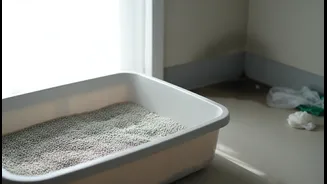
The primary reason your cat’s litter box smells worse when it's humid is simple science. High humidity means the air is already saturated with water vapor. This moisture acts in two ways: firstly, it creates the perfect breeding ground for the bacteria
that break down urea in your cat's urine, a process that releases pungent ammonia gas. The more moisture there is, the faster these bacteria multiply and the more intense the smell becomes. Secondly, the water molecules in the humid air can trap these odour particles, preventing them from dissipating and causing them to linger longer and travel farther. The result is an odour that feels thicker, more persistent, and harder to ignore, a phenomenon many notice during India’s humid monsoon season.
Choosing the Right Litter
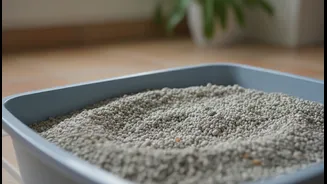
Not all litters are created equal, especially in a humid climate. While standard bentonite clay is popular, it can sometimes struggle with high ambient moisture. For humid regions, consider switching to a litter with superior moisture absorption. Silica gel or 'crystal' litters are excellent at absorbing and trapping moisture, which helps to control odour for longer periods. Other effective options available in India include fast-clumping litters made from tofu, wood, or those enhanced with activated charcoal. These materials are designed to trap moisture quickly, which is crucial for preventing the bacterial growth that leads to bad smells. While sometimes more expensive, their performance in high humidity can be worth the cost.
Upgrade Your Cleaning Routine
When it's humid, your regular cleaning schedule might not be enough. The single most effective habit is to increase the frequency of your cleaning. Instead of scooping once a day, try to scoop twice—once in the morning and once at night. This removes the source of the smell before it has a chance to develop. A full litter change should also be done more frequently, perhaps every five to seven days instead of the usual 7 to 10. When you do a full change, wash the box thoroughly with a mild, unscented soap and water, as harsh chemicals can deter your cat. Crucially, make sure the tray is completely dry before refilling it with fresh litter.
Harness Natural Deodorisers
Instead of trying to mask smells with artificial fragrances, which many cats dislike, focus on neutralising them at the source. Baking soda is a safe, cheap, and highly effective option. Sprinkle a thin layer at the bottom of the clean, dry litter tray before adding new litter. This helps absorb both moisture and odours. You can also sprinkle a small amount on top of the litter after scooping. Another powerful, natural odour-absorber is activated charcoal. While some litters contain it, you can also place a pouch of activated charcoal near (but not inside) the litter box to help pull odour molecules from the air.
Location and Ventilation
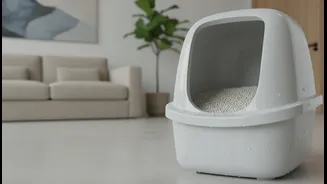
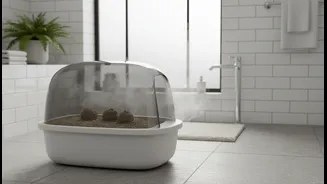
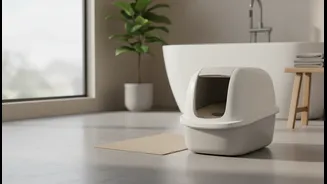
Where you place the litter box can make a huge difference. A box kept in a small, stuffy bathroom or a damp, unventilated corner will trap odours and humidity, making the problem much worse. If possible, move the litter box to a well-ventilated area. Good airflow helps disperse smells and reduces the ambient humidity around the box. Even cracking open a nearby window for a portion of the day can significantly improve the situation. If a covered litter box is used, ensure it has ventilation slots, as fully enclosed boxes can trap humidity and concentrate odours.