




The Core of the Study
Researchers from Maastricht University Medical Centre in the Netherlands wanted to understand if regularly eating peanuts could impact brain health in older adults. Their work focused on brain vascular function and cognitive performance, which can decline
with age. The central question was whether a simple dietary change could produce measurable benefits in blood flow and memory. The study specifically involved 31 healthy adults between the ages of 60 and 75.
What Participants Did
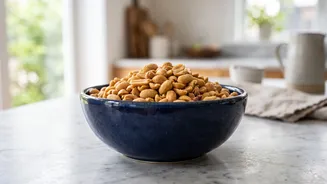
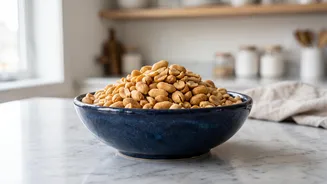
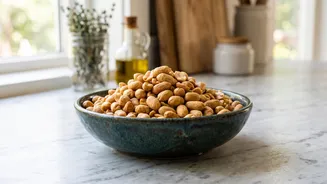
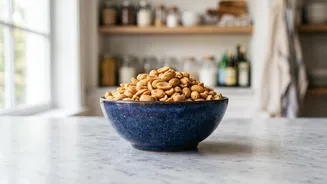
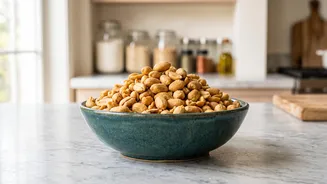
The study design was a rigorous one. Participants were asked to consume 60 grams—about two servings or a couple of handfuls—of unsalted, skin-roasted peanuts every day for 16 weeks. It's important to note the 'skin-roasted' detail, as peanut skins are rich in beneficial compounds like polyphenols. This was a randomized, crossover trial, meaning the same participants also went through a control period where they ate no peanuts, allowing for a direct comparison of the effects.
Improved Blood Flow and Memory
After 16 weeks of daily peanut consumption, the results were significant. Using advanced MRI scans, researchers found that participants' overall cerebral blood flow (CBF) increased by 3.6%. CBF is a crucial measure of how much oxygen and nutrients are reaching the brain. Even more specifically, blood flow in the grey matter, an area vital for cognition, increased by 4.5%. This vascular improvement was accompanied by a notable boost in verbal memory. Participants correctly recalled 1.4 more words on average in a delayed memory test, which represents a 5.8% improvement. Additionally, there was a decrease in both systolic blood pressure and pulse pressure.
The Insulin Connection
Further analysis from the same research team delved into another mechanism: insulin responsiveness. While known for regulating blood sugar, insulin also plays a critical role in the brain, supporting nerve cell communication, learning, and memory. With age, the brain can become less responsive to insulin, a change linked to cognitive decline. The study found that daily peanut intake improved insulin responsiveness in key memory-related regions of the brain, including the hippocampus. This suggests that peanuts may help keep these crucial brain pathways efficient.
Why Peanuts? The Nutritional Powerhouse
The benefits observed are not random. Peanuts contain a unique mix of nutrients that support brain health. They are particularly rich in L-arginine, an amino acid the body uses to create nitric oxide, which helps relax blood vessels and improve circulation. They also provide unsaturated fats, protein, fiber, and powerful bioactive compounds like resveratrol and other polyphenols, many of which are concentrated in the skin. These components are believed to have antioxidant and anti-inflammatory properties that contribute to better vascular and cognitive function.
A Note of Caution
While these findings are promising, it is important to see them in context. This was a small study with only 31 participants. The researchers themselves caution that these results are not proof that peanuts can prevent Alzheimer's disease or other forms of dementia. Instead, the study highlights a potential mechanism by which a specific food can influence brain health. Experts agree that the strongest evidence for long-term brain health supports overall dietary patterns, like the Mediterranean diet, rather than relying on a single 'superfood'.