





A New Vision for Indian Wildlife Tourism
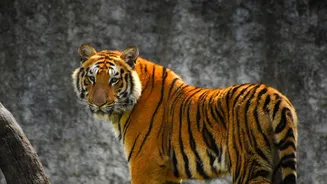
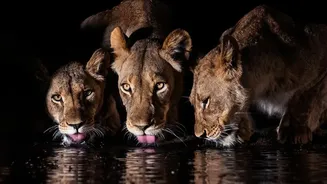
Imagine observing the majestic Bengal tiger or the elusive leopard under a simulated moonlit sky, all within city limits. This is the vision for the Kukrail Night Safari. Inspired by Singapore's world-renowned model, the project offers a unique chance
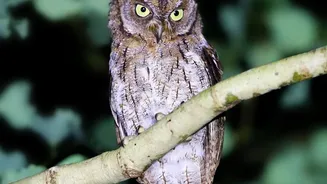
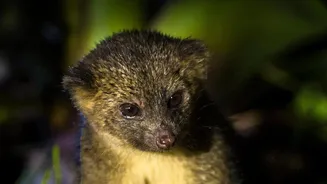
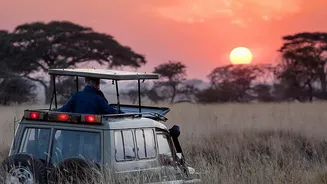
to see nocturnal animals when they are most active. Unlike a traditional daytime zoo, a night safari uses specially designed low-impact lighting to create a naturalistic nocturnal environment. Visitors will travel on quiet electric trams through large, open enclosures designed to mimic the animals' native habitats, offering a more immersive and respectful viewing experience. The project, which recently received final clearance from the Supreme Court in July 2026, aims to be India's first such facility and the world's fifth, putting Lucknow on the global eco-tourism map.
The Kukrail Forest Transformation
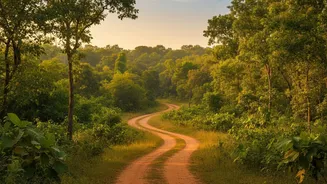
The ambitious project will be developed within the ecologically significant Kukrail Reserve Forest, a sprawling green lung on Lucknow's outskirts. Out of the reserve's more than 2,000 hectares, about 855 acres are earmarked for the combined night safari and a modern day zoo. The total cost is estimated at over INR 1,500 crore, with construction happening in two phases. Phase one will focus on establishing the night safari itself, with 38 to 42 enclosures, visitor amenities like a 7D theatre, and administrative buildings. The area is already home to a historic gharial rehabilitation centre, and care is being taken to integrate the new development while protecting the existing ecosystem.
What Animals and Attractions Await?
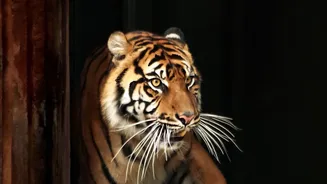
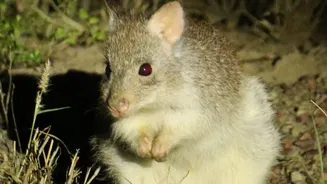
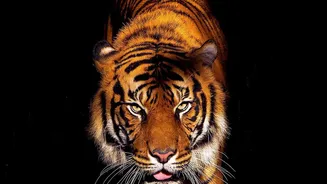
The safari promises a thrilling showcase of wildlife. The proposed species list includes iconic big cats like Asiatic lions and Bengal tigers, alongside leopards, sloth bears, hyenas, and flying squirrels. The enclosures will be designed as themed zones, such as an African savanna and Indian wetlands, to create authentic environments for the animals. Visitors will embark on a 40-minute tram ride to explore these habitats. While initial plans for an adventure zone and the complete relocation of the existing Lucknow Zoo were scaled back by environmental committees to protect the forest, the project will still include a new, modern day zoo component alongside the night safari. This ensures a comprehensive wildlife destination for visitors of all ages.
Timeline and What to Expect
After years of planning and scrutiny, the Supreme Court's approval in mid-July 2026 was the final major hurdle. While initial reports mentioned a possible opening by December 2026, the construction of phase one is expected to take approximately two years. This points to a more likely public opening sometime in 2027 or 2028, after all construction and administrative procedures are completed. The court has mandated strict environmental compliance, with a committee set to periodically monitor the site to ensure safeguards are met. For wildlife enthusiasts and travellers, the wait is on for what promises to be one of India's most innovative and exciting new attractions.