
A Bread Born of Necessity
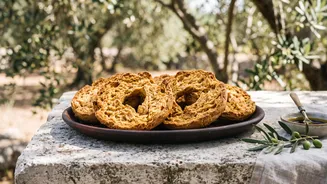
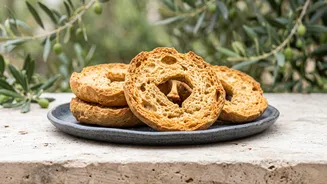
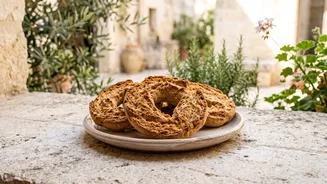
Long before refrigeration and vacuum-sealing, there was friselle (also known as freselle or frise). This rock-hard, ring-shaped bread is a cornerstone of culinary history in Southern Italy, particularly in Puglia, Campania, and Calabria. Its origins are
deeply practical, tied to the lives of fishermen, shepherds, and travelling merchants who needed sustenance that could endure long journeys at sea or in remote fields. The solution was a bread that was deliberately made to last. Its characteristic donut shape wasn't just for looks; it allowed the rings to be strung onto a rope, making them easy to carry and store on ships. This simple innovation ensured that a reliable source of carbohydrates was always on hand, a true staple food born from resourcefulness.
The Secret is in the Second Bake
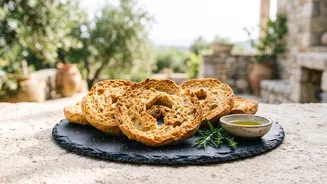
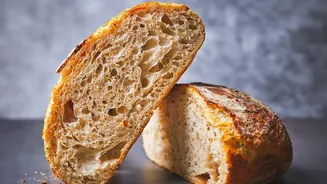
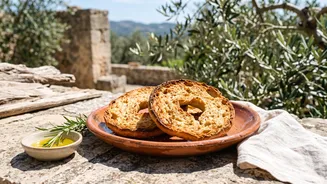
What gives friselle its extraordinary shelf life—lasting for weeks or even months when stored in a dry place—is the double-baking process. The dough, typically made from durum wheat or barley flour, water, salt, and yeast, is first shaped into rings and baked until cooked through. But the process doesn't stop there. While still warm, the rings are cut horizontally in half and then returned to a cooler oven for a second, slow bake. This crucial step, known in Italian as 'biscottato' (twice-cooked), draws out nearly all the moisture, resulting in a bread that is incredibly hard and resistant to spoilage. One side remains smooth from the initial bake, while the cut side becomes rough and porous, perfectly designed to absorb moisture and flavour later on.
The Ritual of 'Sponzatura'
Biting into a dry frisella is not recommended; it's jaw-breakingly hard by design. The magic happens in the rehydration ritual known as 'sponzatura' or 'bagnatura'. Before eating, the frisella is quickly dipped in or run under cold water for just a few seconds. The goal isn't to make it soggy, but to soften the interior while leaving a pleasant bite. Historically, fishermen would simply dip it in clean seawater for a touch of seasoning. This quick bath awakens the bread, transforming its texture and making its porous surface ready to soak up olive oil and toppings. Mastering the sponzatura is key; over-soaking is a common mistake that can turn this rustic delight into a mushy mess.
From Humble Staple to Summer Delicacy
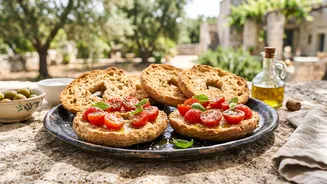
Once softened, the frisella becomes a canvas for the vibrant flavours of the Mediterranean. The most classic and beloved preparation is beautifully simple: chopped ripe tomatoes, a generous pour of high-quality extra virgin olive oil, a sprinkle of salt, and a dusting of fragrant oregano. Often, a clove of garlic is rubbed onto the rough surface before the toppings are added. While this classic combination screams summer in Puglia, regional variations abound. In Campania, it might be topped with a local caponata, while modern interpretations include everything from tuna and beans to avocado, smoked salmon, or creamy ricotta. Whether kept simple or dressed up, the frisella serves as a delicious base that is both satisfying and refreshing.