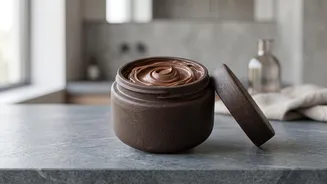




The idea of a chocolate face mask is pure bliss—a decadent, natural treat that promises glowing skin. But before you raid the pantry for a spa night, it's wise to pause. What's really in that DIY recipe, and is it truly good for your skin?
What Are the Supposed Skin Benefits?
The allure of
a chocolate mask comes from the star ingredient: cocoa. Unprocessed, dark cocoa powder is packed with antioxidants called flavonoids. These powerful compounds are known for fighting free radicals, which are unstable molecules that can damage skin cells and accelerate aging. Some studies suggest the antioxidants in cocoa can help protect the skin, improve hydration, and boost blood flow, leading to a more radiant complexion. It's also credited with anti-inflammatory properties, and some proponents claim it can help soothe irritation and even aid in managing acne due to its zinc and sulfur content.
Is Any Chocolate Good for My Face?
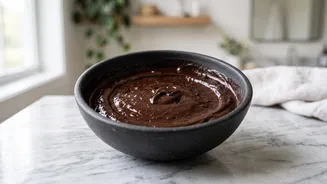
Absolutely not. The potential benefits are linked specifically to high-quality, dark cocoa powder with a high percentage of cacao (often 70% or more). Your average milk chocolate bar is a different story entirely. These are often loaded with sugar, milk solids, and other additives. Sugar is known to promote inflammation, while dairy can be a trigger for breakouts in some individuals. Applying a melted chocolate bar to your face is more likely to cause problems than to deliver any real antioxidant benefits. If you're going the DIY route, using pure, unsweetened cocoa powder is the only way to tap into its potential.
What Are the Real Risks of DIY Masks?
Kitchen skincare comes with several risks that commercially produced products are formulated to avoid. The first is bacteria. Once you mix food ingredients, especially with water, you create a breeding ground for germs. Unlike lab-formulated products that contain preservatives to keep them stable and safe, a homemade mask has no such protection. Another major issue is the potential for allergic reactions or skin irritation. Applying food allergens like dairy, nuts, or even oats directly to the skin can sometimes trigger sensitivities, especially on broken or eczematous skin. Ingredients can also be unpredictable; for example, the acidity of lemon juice can disrupt your skin's pH balance, while coarse sugar crystals can cause micro-tears.
Could a Chocolate Mask Cause Breakouts?
It's a definite possibility. While pure cocoa has anti-inflammatory properties, other ingredients in a DIY mask might be comedogenic, meaning they can clog pores. Cocoa butter, for instance, is very thick and can be problematic for acne-prone skin. If your recipe includes milk, yogurt, or coconut oil, these can also contribute to breakouts depending on your skin type. Furthermore, while the link between eating chocolate and acne is debated, some research suggests that high sugar and dairy intake can worsen acne by spiking insulin levels and increasing oil production. Applying these ingredients topically might not have the same systemic effect, but they can still introduce poreclogging fats and sugars to your skin's surface.
What's the Safest Way to Try It?
If you're still curious, caution is key. First and foremost, perform a patch test. The American Academy of Dermatology recommends applying a small amount of the mixture to a discreet area, like your inner arm, twice a day for seven to ten days to check for a reaction. This helps identify potential irritation or allergies before you cover your face in the concoction. When mixing your mask, use only pure, unsweetened cocoa powder and be mindful of other ingredients. Opt for simple additions like honey, which has natural antibacterial properties, or plain yogurt, whose lactic acid offers gentle exfoliation. And always, always use a fresh batch for every single application to avoid bacteria.