





It's one of football’s most enduring images: Zinedine Zidane, perhaps the greatest player of his generation, walking past the World Cup trophy in his final match after a shocking moment of violence. What could provoke such an act?
The Stage for a Legendary Exit
The 2006 World Cup final
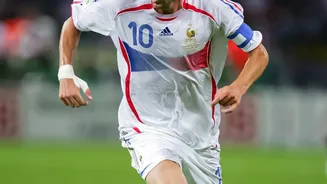
in Berlin was supposed to be the perfect send-off for Zinedine Zidane. The French captain, a national hero since the 1998 triumph, had come out of international retirement to lead his team on an improbable run. Facing them were Italy, a defensive powerhouse. The match was tense, a clash of titans. Zidane himself had opened the scoring with a nerveless Panenka-style penalty, chipping the ball over the world's best goalkeeper, Gianluigi Buffon. But Italy's Marco Materazzi, the other key figure in this drama, equalised. The game was deadlocked at 1-1, grinding into the fatigue and tension of extra time.
A Moment of Unthinkable Madness
In the 110th minute, the script was torn apart. Far from the action, Zidane and Materazzi were jogging upfield. After a brief, unseen exchange of words, Zidane stopped, turned, and drove his head forcefully into Materazzi's chest. The Italian defender fell to the ground. The game stopped, but confusion reigned, as the referee hadn't seen the incident. It was the fourth official, alerted to the off-the-ball clash, who informed referee Horacio Elizondo. A red card was shown, and Zidane's career was over, ten minutes before a penalty shootout that would decide the World Cup.
The Words That Broke the Camel's Back
For years, the exact words were a matter of intense speculation. Initial reports suggested a racist slur or an insult about Zidane's mother. The truth, as both men eventually confirmed, was different but deeply personal. The conflict began with Materazzi tugging on Zidane's shirt. Zidane, annoyed, sarcastically offered to give him the jersey after the match. Materazzi's retort was the spark that lit the fuse. He admitted in later interviews that he responded, 'I'd prefer your sister than your shirt'. Some reports specify the insult was even cruder, with Materazzi saying he preferred Zidane's 'whore sister'.
Zidane's Painful Explanation
Zidane, who is famously private, later confirmed the nature of the insult. While he has said he is not proud of his reaction, he has also never fully apologised to Materazzi for the act itself. 'He provoked me by talking about my sister Lila,' Zidane explained. 'He didn't insult my mother, but he did insult my sister.' For Zidane, it was a line that could not be uncrossed. 'I am a man and some words are harder to hear than actions. I would rather have taken a blow to the face than hear that,' he stated in a televised interview. The repeated nature of the taunts, he explained, pushed him past his breaking point in a moment of physical and emotional exhaustion.
The Aftermath and A Tarnished Legacy
With their captain gone, France lost the ensuing penalty shootout, and Italy lifted the World Cup. Materazzi, who scored his penalty, became a villain in the eyes of many but a hero in Italy. Zidane, despite the red card, was controversially awarded the Golden Ball as the tournament's best player. The incident became a cultural phenomenon, immortalised in songs and even a bronze statue. Materazzi capitalised on the fame by releasing a book with humorous suggestions of what he might have said. For Zidane, the headbutt remains an indelible, complicated part of his legacy — a moment of human frailty from a footballing god.