



More Than Just a Pretty View
For generations, the Indian balcony has been a space for observation—a perch for morning chai, a vantage point for neighbourhood cricket, a storage spot for forgotten things. But a significant shift is underway. An increasing number of urban dwellers
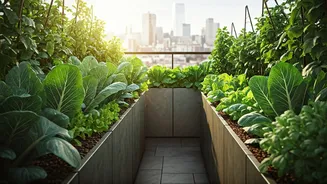
are looking at their limited outdoor space and seeing not just square footage, but fertile ground. This isn't just about the aesthetic appeal of greenery; it's a practical response to modern anxieties. Spurred by rising food prices, concerns over pesticide-laden produce, and a renewed focus on wellness, families are rolling up their sleeves and getting their hands dirty. The goal is no longer just a splash of colour from a flowering plant, but a harvest, however small, that ends up on the dinner table.
The Urban Farm in Miniature
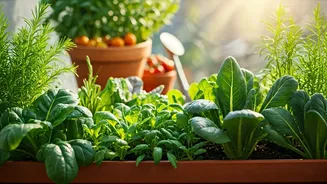
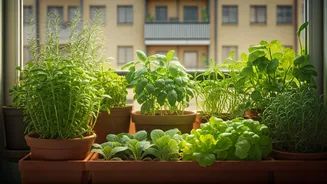
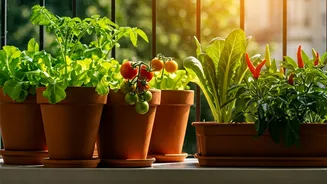
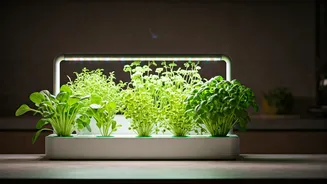
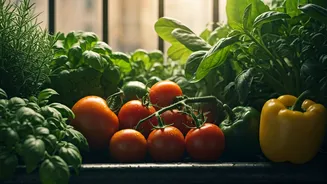
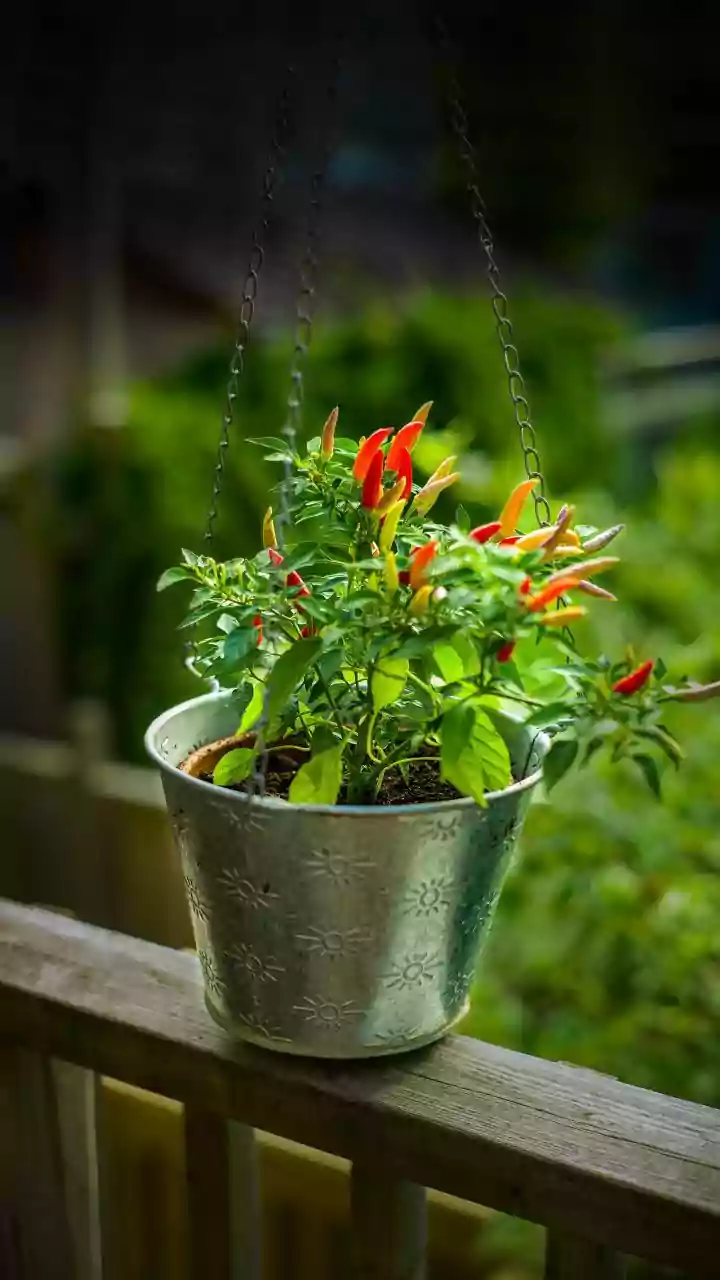
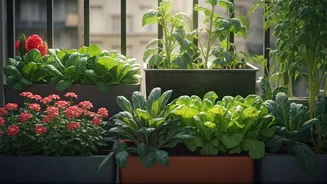
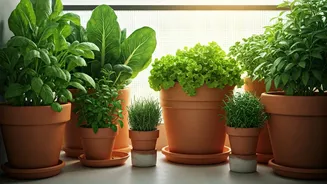
So, what does it mean to 'feed a family' from a balcony? It's less about replacing the weekly trip to the sabzi mandi and more about supplementing it with unparalleled freshness. The heroes of the balcony farm are typically high-yield, low-space plants. Pots and grow bags are brimming with essentials of the Indian kitchen: cherry tomatoes bursting with flavour, clusters of green chillies ready to be plucked, and fragrant herbs like coriander (dhania), mint (pudina), and basil (tulsi) that can elevate any dish. Leafy greens like spinach (palak) and fenugreek (methi) are also popular choices, providing a quick and nutritious harvest. Even root vegetables like radishes and carrots can be grown in deep containers. Each tomato plucked, each sprig of mint crushed for chutney, represents a small but meaningful victory in food sovereignty.
Why This, Why Now?
Several factors are converging to fuel this green-thumb movement. The post-pandemic world has left many with a desire for more self-reliance and a deeper connection to their food sources. Watching a seed sprout into something you can eat provides a tangible sense of control in uncertain times. Economically, the logic is compelling. With vegetable prices subject to volatile swings, growing even a small portion of your own produce offers a buffer against inflation. A packet of seeds costing a few rupees can yield kilograms of produce over a season. Furthermore, the wellness narrative has moved beyond gym memberships. People are increasingly aware of what they put into their bodies, and growing your own food is the ultimate guarantee of it being organic, fresh, and free from harmful chemicals.
A Harvest of Well-Being
The benefits of balcony gardening extend far beyond the plate. The act of nurturing a plant from seed to fruit is a powerful antidote to the stresses of urban life. It’s a daily ritual that encourages mindfulness and patience. For children, it's a living science lesson, teaching them where food comes from and fostering a respect for nature. It also builds community. Balcony gardeners often swap seeds, share tips on pest control, and proudly exchange their surplus produce with neighbours, strengthening social bonds in often-anonymous apartment complexes. This small patch of green becomes a source of pride, a conversation starter, and a quiet space for mental recalibration.
Getting Your Hands Dirty
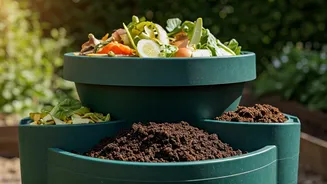
The beauty of this trend is its accessibility. You don't need a sprawling garden or expert knowledge to start. Begin small. A few pots, good quality soil mix (cocopeat, compost, and soil), and a handful of seeds are all you need. Choose plants that are relatively easy for beginners, like tomatoes, chillies, or herbs. Ensure your balcony gets at least 4-5 hours of sunlight. There is a wealth of information available online and in local gardening communities to guide you. The key is to start, learn from your mistakes, and enjoy the process. Your first sun-ripened tomato, grown with your own hands, will taste better than any you've ever bought.