






The humble peanut, a beloved snack across India, might hold a surprising key to better brain health as we age. New research is shedding light on how this everyday legume, especially when eaten with its skin, could support memory and cognitive function.
What the New Study Reveals
Recent research from Maastricht University in the Netherlands has added compelling evidence to the idea that peanuts are good for the brain. A study published in the journal 'Clinical Nutrition' involved healthy adults between the ages of 60 and 75. For 16 weeks, participants consumed 60 grams of unsalted, skin-roasted peanuts daily. The results were significant. Researchers observed a 3.6% increase in overall cerebral blood flow, which is the amount of blood flowing through the brain, delivering essential oxygen and nutrients. This improved blood flow is a key marker of brain vascular function and is crucial for maintaining brain health as we age.
The Magic Is in the Skin
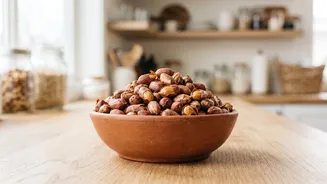
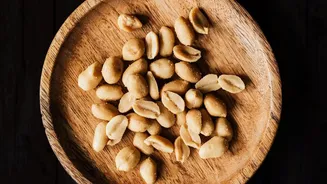
The study specifically used 'skin-roasted' peanuts, and for good reason. That thin, papery skin, often discarded, is a powerhouse of bioactive compounds. It is densely packed with polyphenols, such as resveratrol, which are antioxidants known to support vascular health. Roasting peanuts with their skins on helps to break down the plant's cell walls, which may actually increase the antioxidant capacity and make these beneficial compounds more available to our bodies. These polyphenols, along with L-arginine, an amino acid found in peanuts that helps relax blood vessels, are believed to be the primary drivers of the observed benefits.
Improved Memory and Blood Pressure
The benefits weren't just theoretical. Participants who ate peanuts daily demonstrated a 5.8% improvement in verbal memory. This was tested by their ability to recall words from a list after a delay, a common measure of memory function. In addition to the cognitive boost, the study also noted a positive effect on cardiovascular health. Participants experienced a decrease in both systolic blood pressure and pulse pressure. Another study highlighted that compounds from peanuts can cross the blood-brain barrier, potentially protecting brain cells from oxidative stress, which is a known contributor to cognitive decline. It also noted improvements in how brain regions important for memory respond to insulin.
How to Incorporate This into Your Diet
The findings are particularly relevant in India, where peanuts (or 'moongphali') are a dietary staple. They are enjoyed boiled, roasted, and as a key ingredient in everything from poha to chutneys and sweets. This research underscores the importance of choosing peanuts with their skins intact whenever possible. The study used about 60 grams daily, which is roughly two small handfuls. While this is a manageable amount, it is important to remember that peanuts are calorie-dense. Opting for unsalted versions is also crucial to avoid excess sodium intake, which is linked to high blood pressure. Adding a handful of skin-on roasted peanuts as a mid-day snack or sprinkling them over salads and dishes is an easy way to potentially reap these cognitive rewards.
A Balanced Perspective
While these findings are exciting, it is important to view them in context. This was a relatively small study with 31 participants, and experts caution that one food alone is not a silver bullet against cognitive decline. More research is needed to confirm these effects in a larger population and over a longer period. The key takeaway is that a healthy, balanced diet is paramount for brain health. Peanuts can be a valuable and delicious part of that diet, but they should complement, not replace, a wide variety of other nutritious foods like fruits, vegetables, and whole grains. This study reinforces the idea that what we eat has a direct impact on our cognitive wellness, and sometimes the most powerful ingredients are found in the simplest of foods.