






Beyond the Cardboard Box: A New Era of Feline Fun
For years, the humble cardboard box has been the undisputed king of feline entertainment. But as cat owners increasingly focus on providing enriching indoor environments, a more athletic and engaging trend is taking hold: the homemade agility obstacle
course. Inspired by the formal sport of cat agility, pet parents are using everything from professional-grade equipment to DIY creations to keep their cats active and engaged. This isn't just about recreating a miniature circus in your living room; it's a response to a growing understanding of feline needs. Indoor cats, safe from outdoor dangers, can suffer from boredom, which may lead to stress and destructive behaviors like scratching furniture. An agility course channels a cat's natural instincts to run, climb, hunt, and play in a positive and structured way.
More Than Just a Game: The Benefits for Your Cat
An indoor obstacle course is more than just fun; it's a powerful tool for feline well-being. Veterinarians and behaviorists emphasize that enrichment is crucial for a happy, healthy indoor cat. Agility training provides both physical exercise and mental stimulation. Physically, it helps maintain a healthy weight, builds muscle, and keeps joints limber. Mentally, it's a brain teaser that taps into a cat's problem-solving abilities and instincts. This combination can be particularly beneficial for shy or fearful cats, as mastering obstacles helps build confidence. Furthermore, the shared activity strengthens the bond between cat and owner, turning playtime into quality time.
The Building Blocks of a Feline Playground
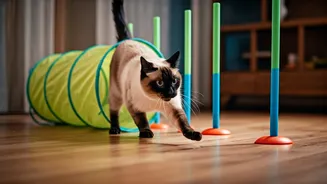
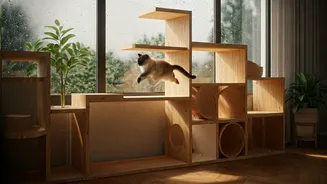
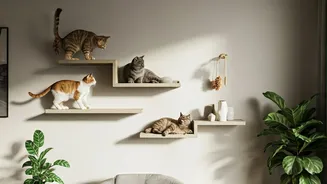
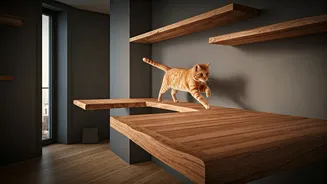
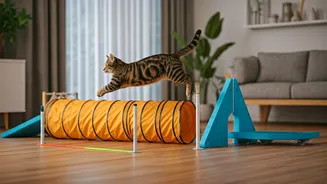
A cat agility course can be as simple or complex as you'd like, but most include a few key elements designed to test different skills. Tunnels, which can be store-bought fabric tubes or even a series of cardboard boxes taped together, appeal to a cat's love of hiding and exploring. Hurdles or jumps can be made from broom handles resting on chairs or can be purchased. Weave poles, which require cats to dart between upright posts, are a more advanced challenge. And no course is complete without vertical elements. Ramps, A-frames, and wall-mounted shelves or perches satisfy a cat's instinct to climb and observe from a high vantage point.
Getting Started: DIY vs. Store-Bought
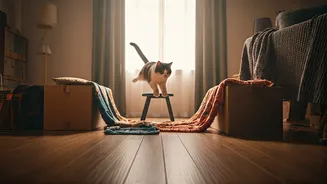
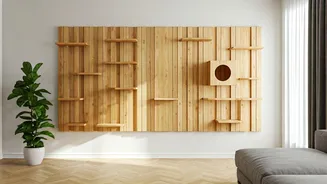
You don't need a massive budget to create an engaging course. Many effective obstacles can be made from household items. Cardboard boxes, paper bags with the bottoms cut out, and chairs can form tunnels and hurdles. Slanted scratching posts can be placed back-to-back to create a simple A-frame. For those who are more ambitious, building custom wall shelves can create a 'cat highway' that saves floor space and provides a permanent enrichment feature. Alternatively, you can purchase individual obstacles or complete starter kits online or from pet stores. These range from simple pop-up tunnels to more robust, competition-style equipment. The best approach often involves a mix of both, allowing you to tailor the course to your cat's preferences and your home's layout.
Training Your Feline Athlete: Tips for Success
Unlike dogs, most cats won't perform to please you; they need a different kind of motivation. The key is patience and positive reinforcement. Use high-value treats or a favorite feather wand to lure your cat through the obstacles. Start simple, introducing one obstacle at a time. For a tunnel, you might place a treat at the far end. For a jump, start with the bar on the floor and slowly raise it over several sessions. Keep training sessions short—just five to ten minutes—to hold your cat's attention. Crucially, never force your cat. The goal is fun and confidence-building. Watch your cat's body language; a tail held high usually indicates a happy, engaged cat ready to play.