



First, What Are Microplastics?
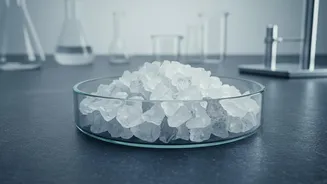
Microplastics are tiny plastic fragments less than five millimeters long, about the size of a pencil eraser or smaller. They come from two main sources. Primary microplastics are intentionally manufactured to be small, like the microbeads once common
in face scrubs. Secondary microplastics are the result of larger plastic items—like bottles, bags, and fishing nets—breaking down over time from exposure to sun and water. These particles are now so widespread that they contaminate our air, water, and soil, inevitably making their way into the food chain.
How Do They End Up in Our Food?
Microplastics infiltrate our food supply through several pathways. The most significant source is environmental contamination. Plants can absorb tiny particles from the soil and water through their root systems, transporting them into the edible parts we consume, like fruits and vegetables. Animals ingest plastic directly from their polluted environment. Seafood, especially shellfish like mussels and oysters that filter large volumes of water, tends to accumulate high concentrations. But it's not just seafood; plastic has been found in beef, pork, and chicken, likely through contaminated feed and water. Food processing and packaging are other major contributors. The more processed a food is, the more likely it is to pick up plastic particles from machinery and handling. Heating food in plastic containers or using certain plastic utensils can also cause particles to leach directly into your meal.
Which Foods Are of Greatest Concern?
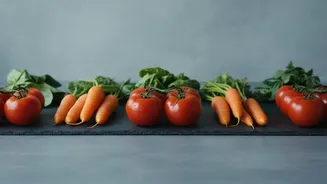
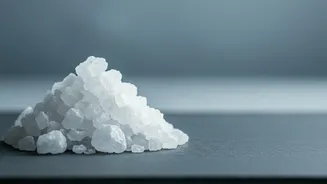
While it was once believed that seafood was the primary culprit, recent research paints a broader picture. Some of the highest concentrations of microplastics have been found in everyday staples. Bottled water is a major source, with one study estimating around 240,000 plastic particles per litre. Fruits and vegetables, particularly apples and carrots, have shown surprisingly high levels of contamination. Salt is another common source, with studies finding microplastics in brands from all over the world. Highly processed foods, like instant rice, breaded shrimp, and other convenience meals, tend to have more plastic particles than their unprocessed counterparts. Even a cup of tea can be a source, as some plastic tea bags can release billions of particles when steeped in hot water.
The Big Question: What Are the Health Risks?
This is where the science is still developing. Currently, major regulatory bodies like the U.S. FDA state there is not enough evidence to demonstrate that the levels of microplastics found in food pose a risk to human health. However, a growing body of research suggests potential for harm. Lab and animal studies have linked microplastic exposure to inflammation, immune system disruption, and changes in the gut microbiome. The particles themselves can cause physical stress on cells, but there's also concern about the chemical additives they carry, such as phthalates and bisphenols, which are known endocrine disruptors. A 2024 study even pointed to a possible link between microplastics in blood vessels and an increased risk of heart attack or stroke, though more research is needed to confirm a direct causal link. For now, the scientific community agrees that the long-term effects of chronic exposure are not fully understood and require further investigation.
Can You Avoid Them?
Completely avoiding microplastics is likely impossible in today's world, but you can take practical steps to significantly reduce your exposure. Start by drinking filtered tap water from a glass or stainless steel bottle instead of buying bottled water. Choose fresh, whole foods over highly processed and packaged options whenever possible. When it comes to rice, studies show that rinsing it before cooking can reduce plastic content by up to 40%. Be mindful of your kitchen habits: avoid microwaving food in plastic containers, opt for wooden cutting boards over plastic ones, and use loose-leaf tea with a metal infuser instead of plastic tea bags. Reducing your overall use of single-use plastics for food storage and consumption is a powerful step for both your health and the environment.