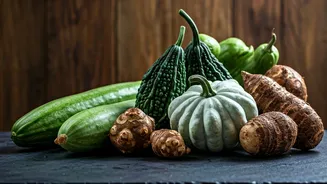



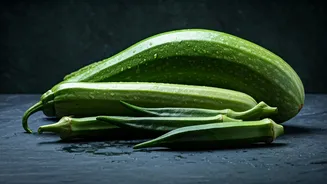
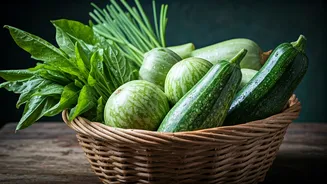


The Humble Bottle Gourd (Lauki)
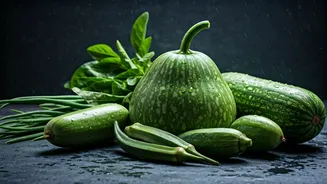
Often overlooked, lauki is a true monsoon superstar. Composed of over 90% water, it's incredibly hydrating and light on the stomach, making it perfect for a season when our digestive fire (agni) is considered weak. Its cooling nature helps counter the humidity.
Rich in fibre, it aids digestion and prevents constipation. Being low in calories and fat, it’s an excellent choice for weight management. Traditional wisdom values it for its ability to replenish water loss and keep the body feeling light. How to use it: Lauki is wonderfully versatile. Turn it into a simple sabzi with minimal spices, blend it into a soothing soup, or grate it to make koftas. A simple lauki juice with a hint of ginger and black salt is also a great digestive aid. When buying, choose one that is firm, pale green, and has a smooth surface. Avoid any with soft spots or blemishes.
The Hardy Pointed Gourd (Parwal)
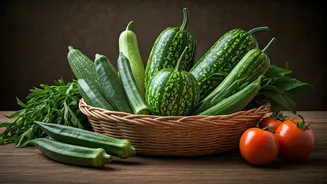
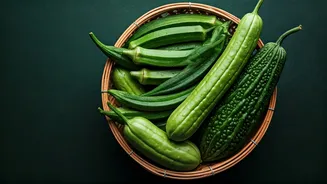
Parwal, or pointed gourd, is one of the most recommended vegetables in Ayurveda for the rainy season. It's packed with Vitamin C, which is crucial for boosting immunity and fighting off common monsoon infections like coughs and colds. It’s also rich in fibre and has laxative properties that keep the gut healthy. Unlike many other vegetables, it is less likely to cause gas or bloating, making it an ideal choice for sensitive stomachs during this time. Its robust nature means it travels well from farm to market, retaining its freshness. How to use it: Parwal can be stuffed with a masala filling, fried to a crisp (bhujia), or added to mixed vegetable curries and gravies. It pairs beautifully with potatoes in a simple, home-style dish. Look for small to medium-sized, firm, and bright green parwals for the best taste and texture.
The Powerful Bitter Gourd (Karela)
Don't let its bitter taste deter you; karela is a powerhouse of nutrients that are especially beneficial during the monsoon. It's loaded with antiviral and antibacterial properties, providing a strong defence against seasonal illnesses. Rich in Vitamin C and antioxidants, it helps cleanse the system and purify the blood. It's also celebrated for its ability to regulate blood sugar levels. The bitterness itself is said to stimulate the digestive juices, which can be sluggish during the rains. How to use it: To reduce bitterness, you can scrape the surface, remove the seeds, and salt it for about 30 minutes before washing and cooking. Stir-frying it with onions, making a stuffed karela, or adding it to dals are popular methods. The crisp, thinly sliced fried chips are a classic that even converts skeptics.
The Versatile Ridge Gourd (Turai)
Ridge gourd, or turai, is another excellent choice for monsoon cooking. It is hydrating, cooling, and extremely easy to digest. Its natural fibrous texture acts as a gentle internal scrub for the digestive tract. According to traditional medicine, it helps in purifying the blood and strengthening the immune system. Low in calories but high in essential nutrients like Vitamin C, zinc, and iron, it supports overall wellness when the body is most vulnerable to infections. How to use it: The beauty of turai lies in its simplicity. It tastes fantastic in a simple stir-fry with some chana dal or poppy seeds (posto). It can also be cooked in a light gravy or added to sambar. When selecting, pick gourds that are slender, dark green, and feel heavy for their size. Avoid ones that are soft or yellowing.
The Comforting Sweet Potato (Shakarkandi)
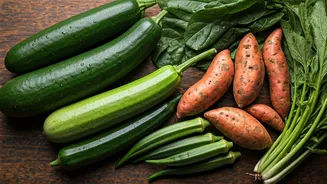
While we often think of gourds, sweet potatoes are a fantastic root vegetable for the monsoon. They are a complex carbohydrate, providing sustained energy without the heaviness of regular potatoes. They are an incredible source of dietary fibre, which is essential for good gut health, and are packed with Vitamin A, a powerful antioxidant that supports vision, skin health, and immune function. Their natural sweetness also satisfies cravings for comfort food in a healthy way. How to use it: The easiest way to enjoy shakarkandi is to simply roast or boil it and eat it with a sprinkle of chaat masala and a squeeze of lime. It can also be mashed into patties, added to stews for thickness and flavour, or cut into wedges and baked as a healthier alternative to fries.
The Iconic Corn (Bhutta)
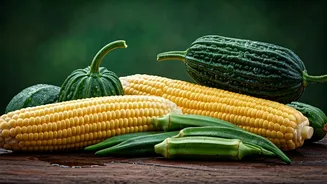
No monsoon experience is complete without a roasted bhutta, smeared with lemon and masala. Beyond being a beloved street-side snack, corn is a nutritious whole grain. It’s a good source of fibre, which aids digestion, and contains valuable B vitamins and minerals like magnesium and phosphorus. The antioxidants found in corn, particularly in the yellow varieties, help protect the body's cells from damage. It’s a wholesome, filling, and deeply satisfying food that perfectly captures the spirit of the season. How to use it: Enjoy it roasted over an open flame or boiled. You can also strip the kernels from the cob and use them in salads, soups, or a simple sabzi with capsicum and onions. When buying fresh corn, look for cobs with bright green, moist husks and plump, milky kernels.