



The Goal: Perfect Texture
The first step to better protein cooking is to define your desired outcome. What texture are you aiming for? A steak should have a flavourful, browned crust and a tender, juicy interior. Chicken skin should be crisp, while the meat beneath remains moist.
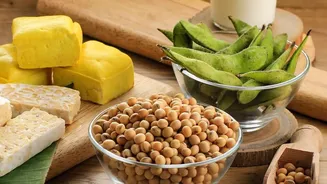
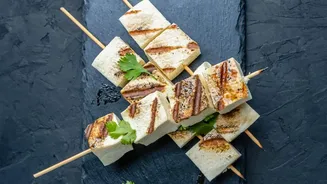
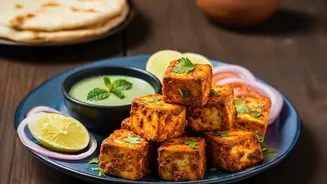
For plant-based proteins, you might want firm, chewy tempeh or tofu that’s golden on the outside and soft within. Achieving this begins with understanding heat. High initial heat is crucial for developing flavour and crust through the Maillard reaction, a chemical process that browns the surface of food. However, different proteins require different heat strategies. Delicate items like fish and eggs need gentle, low-to-medium heat to prevent them from becoming tough and dry. Lean cuts like chicken breast do best with controlled medium heat to cook evenly, while thicker cuts of beef can handle high heat initially to create a good sear before finishing at a lower temperature.
Mastering the Element of Time
Time is arguably the most critical and multifaceted element in cooking protein. It's not just about the minutes on the clock, but also the time spent before and after cooking. Bringing meat out of the fridge about an hour before cooking allows it to come closer to room temperature, promoting a more even cook. During cooking, remember that proteins continue to cook even after being removed from the heat source due to a process called carryover cooking. Pulling your protein just before it reaches its target temperature prevents it from overcooking. But perhaps the most overlooked aspect of time is resting. Allowing meat and poultry to rest after cooking—a general rule is 5 minutes per inch of thickness or about 10 minutes for most cuts—is essential. This rest period allows the muscle fibres to relax and reabsorb their juices, resulting in a far more tender and flavourful bite. Skipping this step is often the difference between a dry and a succulent piece of meat.
Technique Is Your Toolkit
With a goal texture and timing in mind, your technique brings it all together. The method must match the protein. For tender cuts of beef, high-heat methods like pan-searing or grilling are ideal. For tougher, more fibrous cuts like brisket or chuck roast, slow-cooking methods like braising are transformative, using low heat and moisture to break down connective tissue into melt-in-your-mouth tenderness. Plant-based proteins have their own set of essential techniques. For tofu, pressing out excess water is non-negotiable for achieving a firm texture that won’t steam itself in the pan. Coating it in cornflour or arrowroot starch before pan-frying or baking helps create a wonderfully crispy exterior. For dried beans and lentils, the technique involves proper soaking and cooking times. Most large beans require an overnight soak to soften and improve digestibility, while lentils need only a rinse. It’s also important to boil dried beans like kidney beans vigorously for at least 30 minutes to break down potentially harmful compounds before simmering.
Putting It All Together
Let’s apply this framework to a few common examples. For a perfect chicken breast, use moderate heat to ensure it cooks through without drying out. Sear it for a few minutes per side until golden, then reduce the heat and cover the pan or finish it in the oven. For lentils, which don't require soaking, a gentle simmer for 20-40 minutes depending on the variety is all that's needed to make them tender. Avoid adding acidic ingredients like lemon juice or tomatoes until the end of cooking, as they can prevent beans and lentils from softening. And when cooking ground meat, avoid overcrowding the pan, which causes the meat to steam instead of brown. Cook it in smaller batches for a crispier, more flavourful result.