


A Logjam at the Top
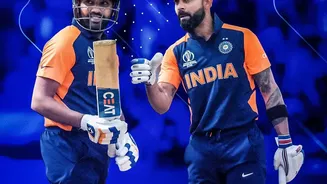
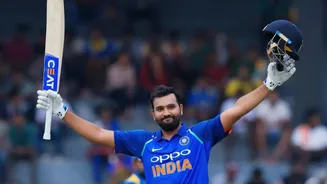
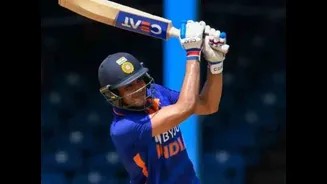
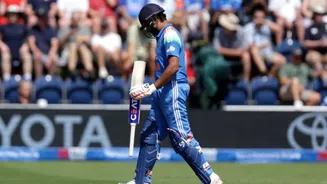
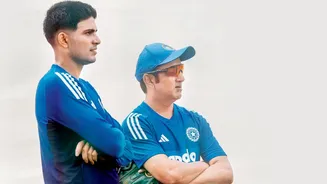
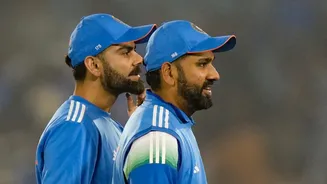
The primary reason for Yashasvi Jaiswal’s exclusion is a classic case of a 'problem of plenty'. The Indian ODI squad for the West Indies series features a settled and formidable opening pair in captain Shubman Gill and the veteran Rohit Sharma. Their
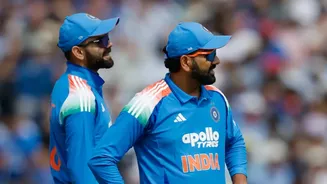
established right-hand, right-hand combination has a proven track record of success and understanding at the crease. Team management has shown a clear preference for this pairing, viewing them as the straightforward choice to lead the innings. This leaves Jaiswal, an explosive left-handed opener, as the odd man out, waiting for an opportunity. With Gill not just in phenomenal form but also the appointed ODI captain, his spot is virtually non-negotiable. Sharma, meanwhile, continues to silence critics with crucial knocks, making it difficult for selectors to look past his experience, especially as they build towards the next World Cup.
The Specialist Opener's Dilemma
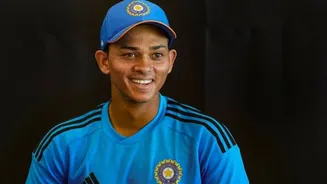
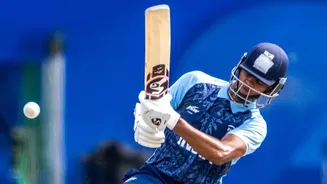
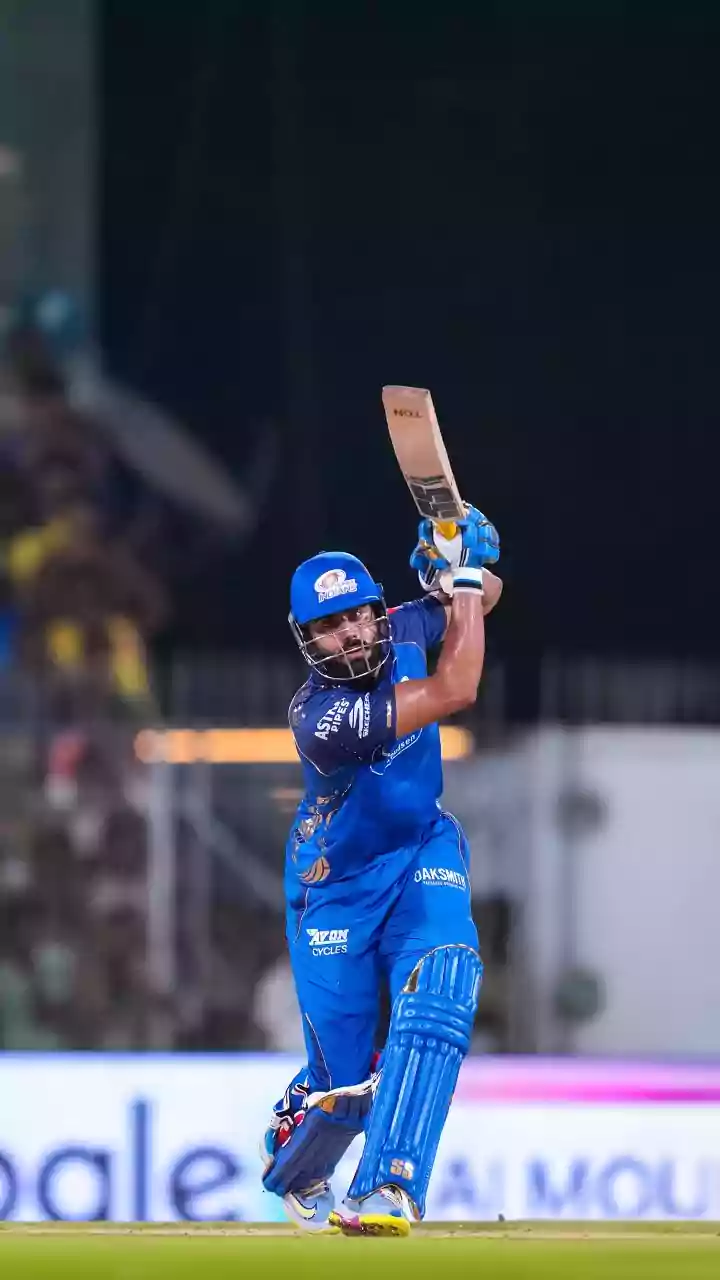
Yashasvi Jaiswal is, by trade, an all-out attacking opening batsman. His game is built on seizing the initiative during the powerplay, a style that has brought him immense success in Test cricket and the IPL. However, the rhythm of a 50-over match is different. While a blistering start is valuable, the middle overs demand consolidation and strike rotation, skills that are still developing in Jaiswal’s ODI game. His high-risk, high-reward approach makes him a tantalizing prospect but also a selection gamble. Unlike in Tests, where he has the license to dismantle attacks from the get-go, an early dismissal in an ODI can put immense pressure on the middle order. The current management seems to favor the slightly more measured aggression of Gill and the experience of Sharma to navigate the opening phase, leaving Jaiswal's unique, hyper-aggressive skillset on the sidelines for now.
Can He Fit in the Middle Order?
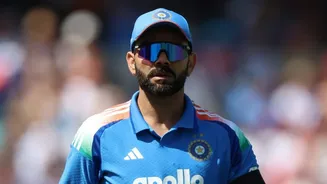
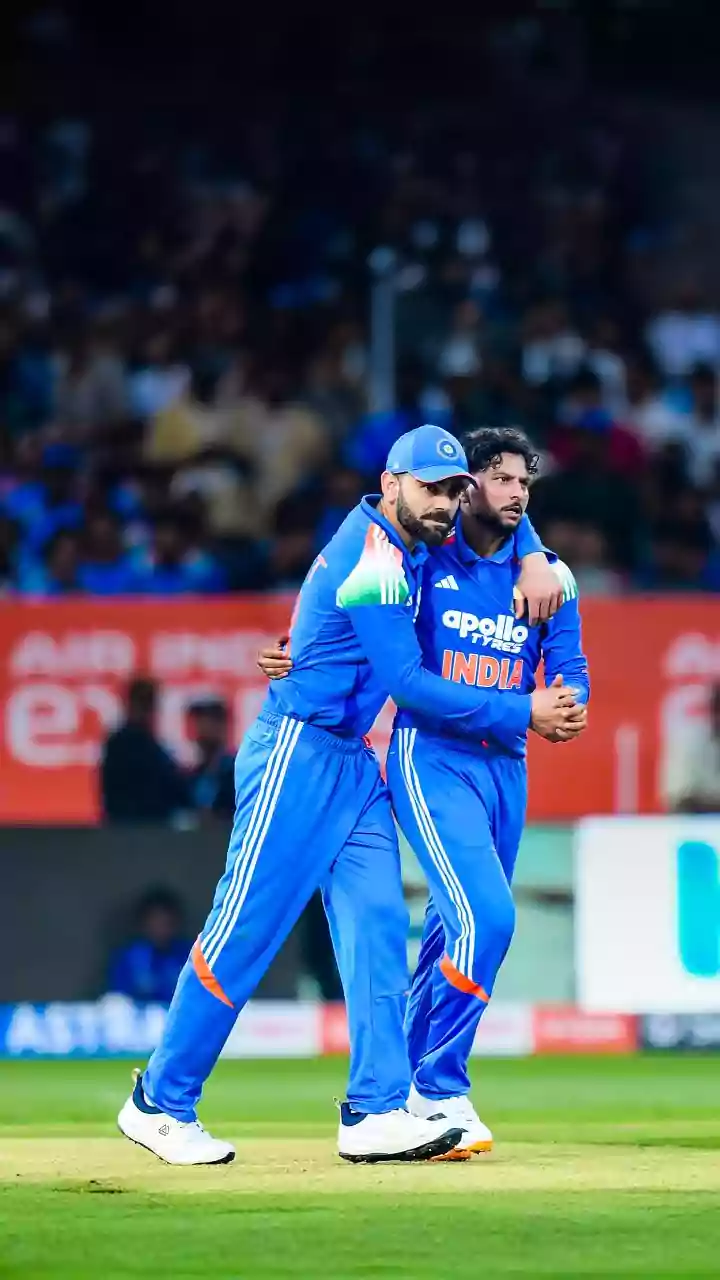
If a spot isn't available at the top, could Jaiswal reinvent himself as a middle-order aggressor? The idea is intriguing but complicated. The current middle order for the West Indies series includes mainstays like Virat Kohli at number three, with KL Rahul and Ruturaj Gaikwad also in the mix. These players are specialists in their roles, adept at handling spinners in the middle overs and building platforms for the death-over assault. Asking Jaiswal to adapt to a number 4 or 5 role would require a significant change in his game. He would need to develop a different tempo, learning to build an innings rather than just dominating it from the start. While not impossible for a player of his calibre, it’s a transition that takes time and significant match practice at the domestic level. For now, the selectors appear to view him purely as an opening option, making his path to the playing XI dependent on a vacancy at the top.
The Long Road to the 2027 World Cup
Despite his current exclusion, Jaiswal remains a central figure in India's long-term plans. The 2027 ODI World Cup, to be held in South Africa, Zimbabwe, and Namibia, is the ultimate goal for this new cycle. The current series against the West Indies is one of the first steps in a long process of identifying a core group of players. While Rohit Sharma and Virat Kohli are still key parts of the setup, the team will inevitably transition over the next couple of years. This is where Jaiswal's opportunity lies. His left-handed variation is a priceless asset that no other top-order contender currently offers. His path to the 2027 squad will likely involve patience and continuous evolution. He must force the selectors' hands through sheer weight of runs in domestic cricket and any chances he gets. As older players are phased out, a permanent opening slot will emerge, and Jaiswal is the prime candidate to seize it, provided he can add the nuances of ODI batsmanship to his already explosive arsenal.