




Understanding Batik's Heritage
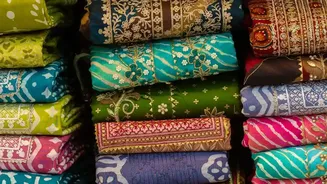
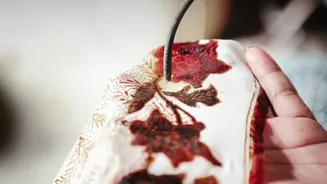
Batik is an ancient art form of wax-resist dyeing, creating intricate patterns on fabric. While strongly associated with Indonesia, its roots are ancient and widespread, with evidence of the technique found in India, parts of Asia, and Africa. In India, regions
like Gujarat, Rajasthan, and West Bengal have rich traditions of Batik, often featuring vibrant colours and motifs inspired by nature, folklore, and religion. This artistic heritage is what gives a Batik rug its unique soul. Choosing a Batik rug is about more than aesthetics; it’s about bringing a piece of handcrafted history into your home. The characteristic cracked texture from the wax process adds a depth that machine-made rugs often lack.
Choosing the Right Size and Placement
The first rule of anchoring a seating area is getting the rug size right. A rug that is too small can make a room feel disjointed. For most living rooms, an 8'x10' or 9'x12' rug works well. The goal is to create a unified zone. Ideally, all your furniture—sofa, chairs, and coffee table—should sit completely on the rug. If your space doesn't allow for that, a good rule is to have at least the front legs of your sofa and armchairs resting on the rug. This visually connects the pieces and makes the arrangement feel intentional. Ensure the rug extends at least 6 to 8 inches beyond the sides of your sofa to create a balanced look. Leave about 12 to 18 inches of bare floor between the rug and the walls to prevent the room from feeling cramped.
Building a Colour Palette
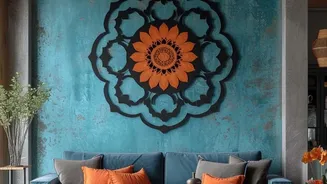
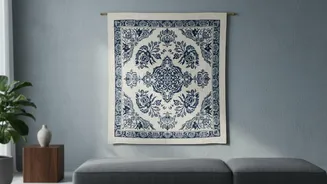
Batik rugs often feature rich, multi-tonal colour palettes. Use the rug as your starting point for the room's colour scheme. Pull two or three colours from the rug's pattern to use for your throw pillows, curtains, and other decorative accents. For instance, if your rug has deep indigo, earthy brown, and a hint of turmeric yellow, you could use indigo for your cushions, a lighter brown for your curtains, and introduce small yellow accents through vases or artwork. This creates a cohesive and professionally styled look. The dominant colour in the room should be a neutral tone to balance the rug's pattern and prevent the space from feeling overwhelmed.
Balancing Pattern and Texture
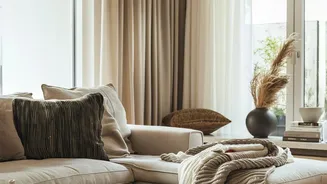
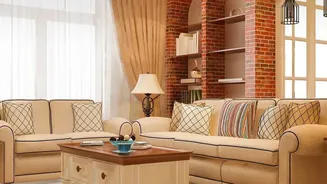
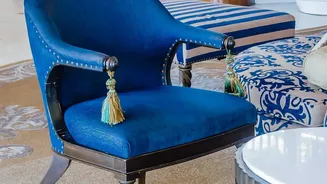
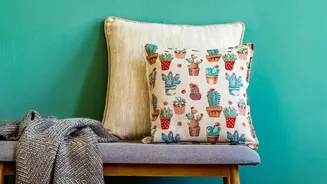
A Batik rug is a statement piece, so let it be the star. When you have a bold, patterned rug, it's wise to keep other patterns in the room more subdued. Pair your rug with solid-coloured furniture. A neutral sofa in beige, grey, or cream provides the perfect canvas to let the rug shine. You can still play with texture to add interest. Think a linen-blend sofa, velvet cushions, or a rustic wooden coffee table. If you do introduce other patterns, use a different scale. For example, if your Batik rug has a large, flowing floral motif, you could pair it with small-scale geometric or striped cushions. The key is to create contrast so the patterns complement each other rather than compete for attention.
Let the Rug Define the Space
In an open-plan home, a rug is one of the most effective tools for defining different functional zones. A large Batik rug can clearly delineate the living area from the dining space or a nearby walkway. By placing your entire seating arrangement on the rug, you create a visual island that signals, "this is the space for conversation and relaxation." This not only organises the room but also adds a layer of warmth and cosiness, making a large, open area feel more intimate and inviting. The rug acts as a foundation, grounding the furniture and giving the entire zone a sense of purpose and unity.