






Leafy Green Vegetables
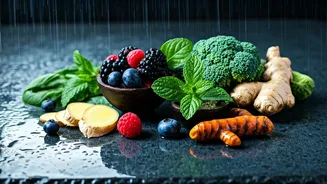
While greens like spinach, cabbage, and cauliflower are nutritional powerhouses, they become risky during the monsoon. The damp, humid conditions are a perfect breeding ground for germs, and the mud and grime that cling to the leaves can be difficult
to wash off completely. These contaminants can lead to stomach infections. If you must have them, ensure they are thoroughly washed in clean water, perhaps even blanched in hot water for a minute, and cooked at high temperatures to kill any lingering microbes. It’s generally safer to opt for well-cooked gourds like lauki (bottle gourd) and tori (ridge gourd) during this season.
Street Food, Especially Chaat
The allure of pani puri or a tangy bhel puri from a street vendor is hard to resist, but the monsoon is the worst time to indulge. The primary risk comes from the water used to prepare these snacks. It can easily be contaminated with bacteria and viruses, leading to illnesses like typhoid, cholera, and diarrhoea. The ingredients are also exposed to the humid environment for long hours, increasing the chances of spoilage. If you’re craving chaat, it’s far safer to prepare it at home using filtered water and fresh ingredients, giving you all the flavour without the health risk.
Seafood, Including Fish and Prawns
The monsoon season is the breeding period for most fish and prawns. Consuming them during this time not only disrupts their life cycle but also poses health risks. With increased water pollution from runoff, fish can be contaminated with more toxins than usual. Furthermore, the high humidity means seafood spoils much faster, increasing the risk of food poisoning. Traditional wisdom and modern health experts agree it’s best to stick to chicken or eggs for your protein fix and give seafood a miss until the season passes.
Fried and Oily Foods
Yes, we know—monsoon and pakoras are a classic combination. But going overboard with fried, oily foods can be a problem. The high humidity during this season tends to slow down our metabolism and digestive processes. Heavy, oily foods put an extra burden on your gut, leading to bloating, indigestion, and acidity. A small, occasional indulgence is fine, but making it a daily habit can leave you feeling sluggish and uncomfortable. Opt for lighter, steamed or grilled snacks instead to keep your digestive system happy.
Dairy Products like Curd
According to Ayurveda, the monsoon is a time when the 'vata' dosha is aggravated, and the digestive fire ('agni') is weak. Dairy products, especially curd (yoghurt), are considered 'abhisyandi,' meaning they can clog the channels in the body and increase secretions, potentially worsening colds and sinus issues common in this season. While curd is a probiotic, its cooling nature can be heavy on a sluggish gut. If you choose to have it, opt for fresh buttermilk (chaas) during the day, as it's lighter and aids digestion. Avoid consuming curd at night.
Raw Salads and Cut Fruits
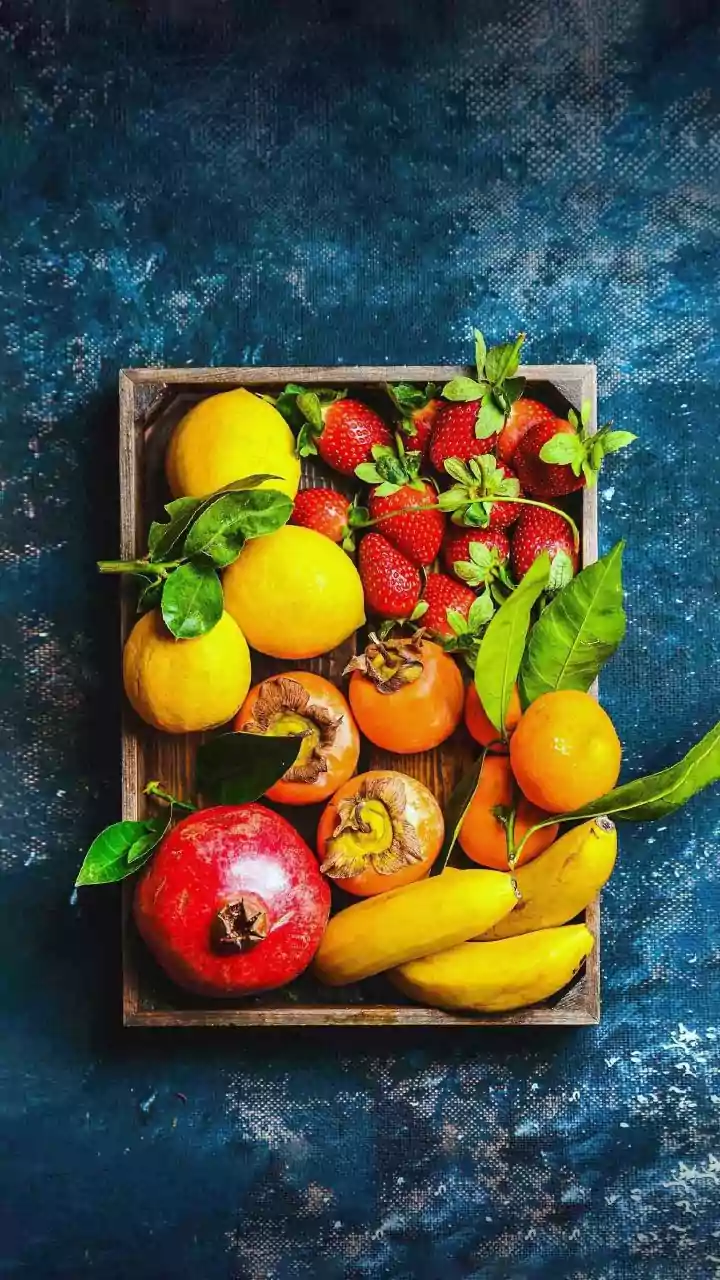
Eating a fresh salad seems like a healthy choice, but uncooked foods carry a high risk of contamination during the monsoon. Raw vegetables can harbour bacteria and viruses that aren't killed off by cooking. The same goes for fruits that have been pre-cut by vendors and left exposed. Even when you cut them at home, any bacteria on the surface can be transferred to the flesh. It's safer to consume steamed vegetables or stick to fruits you can peel yourself, like bananas and pomegranates, and eat them immediately after cutting.