








The Science of Sweat and Hot Air
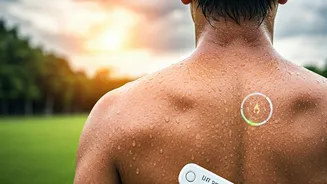
Your body has a brilliant cooling system: sweating. As perspiration evaporates from your skin, it takes heat with it. But this system has an Achilles' heel: humidity. When the air is already saturated with water vapor, your sweat has nowhere to go. It
drips off without providing its cooling benefit, leaving your body working overtime to prevent overheating. This physiological traffic jam forces your cardiovascular system into overdrive; your heart has to pump harder to send blood to both your working muscles and your skin in a desperate attempt to cool down. The result is a higher heart rate for the same pace, increased perceived effort, and a faster slide into fatigue.
More Than Discomfort, It's a Safety Risk
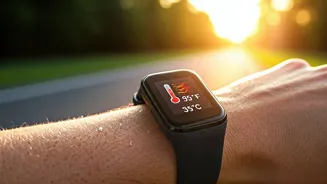
Ignoring humidity isn’t just about having a tougher workout; it’s a genuine safety concern. When your body can't cool itself effectively, your core temperature rises, increasing the risk of heat-related illnesses like heat exhaustion and, in severe cases, life-threatening heatstroke. Symptoms can start with dizziness and nausea but can escalate to confusion, loss of coordination, and collapse. Heat illness is a leading cause of death among high school athletes in the US, a stark reminder that this is not a minor issue. By burying or completely omitting clear humidity data, fitness apps are failing in their duty of care. They track our splits and heart rates with precision but ignore one of the most significant external factors influencing our health during exercise.
The Data We Should Be Seeing: Dew Point
While showing relative humidity would be a start, the gold standard for athletes is the dew point. Relative humidity can be misleading; 80% humidity on a cool morning feels vastly different from 80% on a hot afternoon because warmer air can hold more moisture. The dew point, however, is an absolute measure of the moisture in the air. It tells you the exact temperature at which the air will become 100% saturated. This single number is the most reliable indicator of how “muggy” it will feel and how effectively you’ll be able to sweat. Experienced runners know that a dew point above 18°C starts to feel uncomfortable, while anything over 21°C is oppressive and requires a significant reduction in pace and effort to stay safe.
A Simple Fix for a Serious Problem
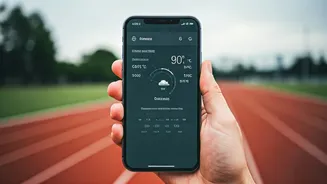
The frustrating part is that this data is readily available. Weather services provide dew point and humidity readings constantly. Fitness app developers don't need to invent new technology; they simply need to change their user interface to prioritize this information. Some platforms like Strava do show humidity for subscribers, but it's often a small data point at the bottom of an activity summary, seen after the fact. Garmin Connect pulls weather from local stations, but its prominence can vary. This isn't enough. These metrics should be front and center on the pre-workout screen, presented with clear, color-coded warnings, much like air quality alerts. A simple “Yellow: High Humidity” or “Red: Dangerous Dew Point” could be the difference between a successful training session and a medical emergency. The tools exist; what's missing is the will to implement them in a way that truly serves athlete safety.