




The Science of Shrinking Your Wardrobe
Vacuum compression bags work on a simple principle: removing the air trapped between fabric fibers. By sealing your clothes in the pouch and then extracting the air—either by using a small hand pump, a household vacuum, or by rolling the bag—you can dramatically
reduce the volume of soft goods. Items like sweaters, T-shirts, and beach towels, which hold a lot of air, can be compressed significantly, sometimes by more than 50 percent. This turns a bulky pile of clothes into a dense, flat, and stackable block, making it much easier to organize your suitcase and create more room for other essentials.
The Good: More Space and Better Protection
The most obvious benefit is the incredible space savings. For travelers determined to stick to a carry-on, these pouches can be a game-changer, allowing you to pack more outfits or bulky items like a thick beach towel without needing a larger bag. Beyond just saving space, these airtight bags offer excellent protection. Once sealed, your clothes are shielded from moisture, dust, and any potential spills from toiletries inside your luggage. This can be particularly useful for a beach trip, ensuring a fresh, dry outfit is always ready, and it also allows you to isolate damp swimwear or dirty laundry for the journey home.
The Bad: Wrinkles and Weight Woes
While the bags reduce volume, they do not reduce weight. This is the most crucial detail to remember. It’s easy to get carried away by the extra space and overpack, pushing your suitcase over the airline’s weight limit and incurring hefty fees. A luggage scale becomes an essential companion if you use this method. Furthermore, the compression process can lead to significant wrinkles, especially with delicate fabrics like linen or silk that are popular for beachwear. While neatly folding or rolling clothes before compressing can minimize deep creases, some wrinkling is often unavoidable. Natural fibers that need to 'breathe,' like wool or leather, should not be stored in these bags for long periods.
Best Practices for a Beach Vacation
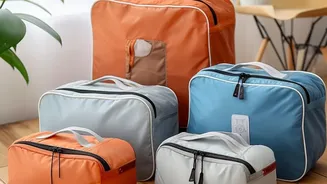
For a beach trip, vacuum bags are most effective for items that are bulky but not prone to severe wrinkling. Think beach towels, casual cotton T-shirts, shorts, and even a light jacket for cooler evenings. These items will compress well without being ruined by creases. For wrinkle-prone linen dresses, delicate blouses, or structured swimwear, it’s often better to pack them separately using a traditional rolling method. Consider a hybrid approach: use compression pouches for your robust, bulky items and standard packing cubes or simple rolling for everything else. Also, ensure any clothing, especially swimwear, is completely dry before sealing it in a bag to prevent mildew and odors.
Choosing the Right Pouch
Not all compression bags are created equal. For travel, look for durable options made from thicker plastic that are less likely to puncture. Many travel-specific versions are 'roll-up' bags, which don't require a pump—you simply roll them tightly to force air out through a one-way valve, making them convenient for repacking on the go. Others come with small, sometimes USB-powered, pumps that are portable and highly effective. Avoid overfilling the bags, as this can strain the seams and cause the seal to fail.