




Embrace India's Seasonal Bounty
The foundation of any great meal plan is using ingredients at their peak. Seasonal vegetables are not only fresher and more flavourful, but they are also generally more affordable. India's diverse climate offers a vibrant palette of produce that changes
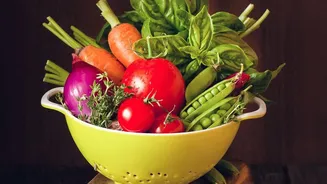
every few months. During the summer (March-May), look for gourds like lauki (bottle gourd) and karela (bitter gourd), along with cucumber and pumpkin. The monsoon season (June-September) brings an abundance of leafy greens like spinach and amaranth, plus fresh corn. Winter (December-February) is the time for carrots, peas, cauliflower, and beautiful leafy greens like fenugreek (methi) and mustard greens (sarson). Paying attention to what’s abundant at your local market is the first step to intuitive, cost-effective meal planning.
Mastering the Basic Cuts
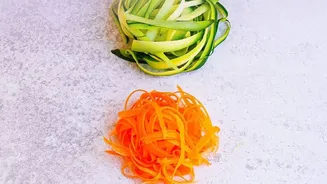
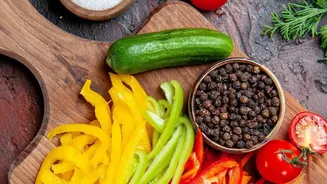
The way you cut a vegetable dramatically influences its texture and cooking time. You don’t need to be a professional chef, but mastering a few basic cuts will elevate your cooking. A 'dice' or 'cube' creates small, uniform pieces perfect for quick cooking in sabzis or melting into sauces. 'Slices' or 'rounds' are great for covering surface area in bakes or stir-fries. A 'julienne' or 'matchstick' cut creates very thin strips, ideal for quick-cooking dishes, salads, or Chinese-style preparations. Finally, 'grating' is perfect for vegetables like carrots, cabbage, or bottle gourd when you want them to blend seamlessly into dishes like koftas, parathas, or raita. The key is consistency; uniform cuts ensure even cooking.
Connect Cuts to Cooking Methods
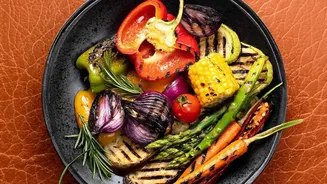
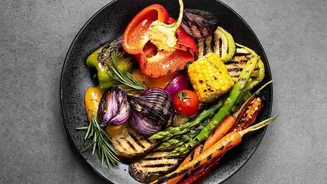
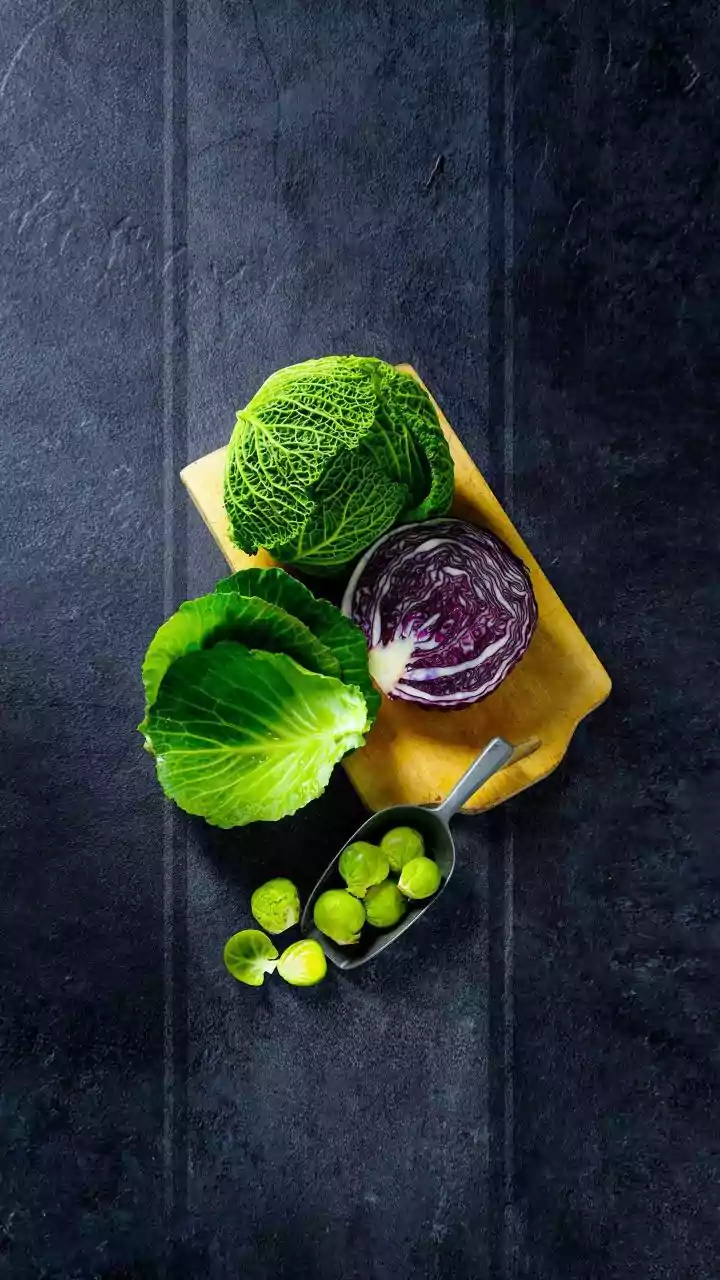
This is where the magic happens. The shape and size of your vegetable pieces should be determined by how you plan to cook them. For a hearty sambar or a slow-cooked curry, larger chunks of pumpkin or drumsticks work well as they hold their shape. For a quick weekday stir-fry or bhaji, a fine dice or julienne of capsicum, carrots, and beans is ideal because they cook in minutes. Planning to grill vegetables like paneer and bell peppers? Cut them into large, uniform squares so they don’t fall through the grates. If you’re making a dry cabbage sabzi, shredding the cabbage ensures it cooks evenly and quickly. For a creamy lauki kofta curry, you'll need to grate the gourd. Thinking about the final dish first will tell you exactly how to prep your vegetables.
The Weekly Plan in Action
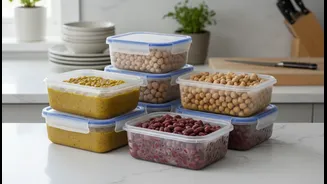
Let’s put it all together with a hypothetical week. Imagine you buy a large cauliflower and a bunch of carrots on Sunday. On Monday, you could cut half the cauliflower into large florets for a roasted Aloo Gobi. On Tuesday, dice the carrots for a mixed vegetable pulao. On Wednesday, take the remaining cauliflower and grate the florets to make cauliflower 'rice' for a light dinner. On Thursday, julienne the remaining carrots for a quick noodle stir-fry. With one shopping trip and thoughtful preparation, you've created four distinct meals. This 'cook once, prep for many' approach saves immense time during the busy week and ensures you are eating a variety of dishes without getting bored.
Maximise Flavour, Minimise Waste
A smart meal plan also means less food waste. Don't throw away those carrot tops or cauliflower stems! Carrot greens can be blended into a pesto or chutney. Broccoli and cauliflower stems can be peeled, thinly sliced, and added to stir-fries or soups; they are packed with nutrition and have a wonderfully crunchy texture. The peels from gourds (if not bitter) can be used to make flavourful peel-based stir-fries, a common practice in many Indian households. By seeing the whole vegetable as usable, you not only stretch your budget but also add new textures and nutrients to your diet, making your meal planning truly efficient and sustainable.