

What is Kombucha and a SCOBY?
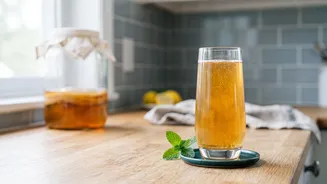
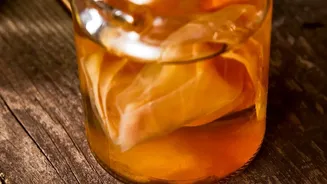
At its core, kombucha is simply fermented sweet tea. The magic happens thanks to a SCOBY, an acronym for 'Symbiotic Culture of Bacteria and Yeast'. This gelatinous, pancake-shaped disc is the living heart of your brew. The yeast in the SCOBY consumes
the sugar in the tea, converting it into trace amounts of alcohol, while the bacteria convert that alcohol into healthy organic acids. This process is what gives kombucha its signature tangy flavor and natural carbonation. Your SCOBY will grow with each batch, producing a new layer you can eventually share with a friend.
Gather Your Brewing Gear
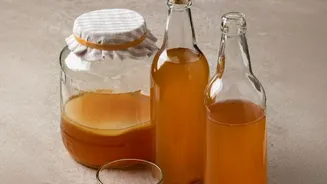
You don't need a professional lab to get started. Most of the equipment is likely already in your kitchen. Cleanliness is crucial, so be sure to sanitize everything with hot water or distilled white vinegar to avoid contamination. Here’s what you’ll need: A large glass jar (about 4 litres is a great start) A breathable cloth cover (like cheesecloth, muslin, or even a clean tea towel) and a rubber band to secure it. A wooden or plastic spoon for stirring (metal can react with the culture). Glass bottles with airtight seals for the finished product (swing-top bottles are perfect for building fizz).
Your Simple Ingredient List
The recipe for kombucha is beautifully simple. For a standard 4-litre batch, you will require: 3.5 litres of filtered water. 1 cup of plain white cane sugar (don’t use honey or artificial sweeteners for the initial brew). 8 bags of black or green tea (or 2 tablespoons of loose-leaf tea). Use unflavored tea to protect the SCOBY’s health. 1 healthy SCOBY. * 2 cups of strong starter tea (this is unflavored kombucha from a previous batch or the liquid your SCOBY comes packed in). This helps lower the pH to a safe level from the start.
Step 1: The First Fermentation (F1)
This is where the sweet tea transforms. First, bring about half of your water to a boil. Remove it from the heat, dissolve the sugar completely, and then steep the tea bags for about 10 minutes. Remove the tea bags and pour the sweet tea into your large glass jar. Top it up with the remaining cold, filtered water. It's critical to let the tea cool completely to room temperature. Hot tea can kill your SCOBY. Once cool, gently add your SCOBY and the starter tea. Cover the jar with the cloth and secure it with a rubber band. Place the jar in a warm, dark place, ideally between 21–27°C, for 7 to 14 days.
Step 2: Flavoring and Second Fermentation (F2)
After about a week, your kombucha should taste pleasantly tart and less sweet. This means it’s ready for the next stage. Carefully remove the SCOBY with clean hands and place it in a bowl with 2 cups of your freshly brewed kombucha to use as starter tea for your next batch. Now, the fun begins: flavoring! You can add fruit juice, fresh fruit purée, or chopped ginger directly into your airtight bottles. A good starting ratio is about 10-20% juice or fruit to 80-90% kombucha. Pour the kombucha from your F1 jar into the bottles, leaving some headspace at the top. Seal them tightly and let them sit at room temperature for another 2 to 5 days. This traps the carbon dioxide produced by the yeast, creating natural fizz.
Kombucha Care and Safety
Knowing what to look for is key. A healthy SCOBY can have brown, stringy yeast bits hanging from it, which is perfectly normal. Bubbles and new, smooth, cream-colored layers are also good signs. The real danger is mold, which appears as fuzzy, dry patches of white, green, blue, or black on the surface. If you see fuzzy mold, you must discard the entire batch, including the SCOBY, and start over with sterilized equipment. To prevent mold, always use enough starter tea, keep your brew in a warm spot, and ensure your equipment is clean.