





From Side Dish to Main Attraction
Remember when the highlight of a trip was a photo at the Taj Mahal or a sunset in Goa? While those experiences remain iconic, a new generation of travellers is reprioritising. They are planning entire holidays not around what they will see, but what they will eat.
The question is no longer, “What’s good to eat in Coorg?” but rather, “Where can I go to experience authentic Pandi Curry?” This is culinary travel, and it has moved from being a niche interest to a mainstream driver of domestic tourism in India. The destination is now the dish. Travel is no longer about just visiting a place; it's about tasting it in its most authentic form. This shift reflects a deeper desire to connect with a region’s culture, history, and identity through its most accessible and universal language: food.
The Hunger for Authenticity
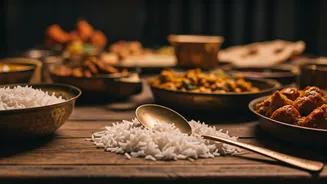
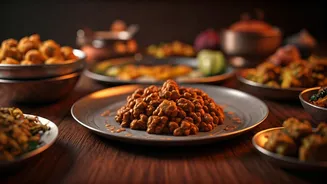
What’s driving this change? In a world saturated with generic experiences, there’s a growing hunger for authenticity. Travellers are tired of sanitised hotel buffets that offer a bland, one-size-fits-all version of “Indian food.” Instead, they crave the real deal: the fiery kick of a Kolhapuri mutton rassa served in a local eatery, the subtle complexities of a Bengali shukto made in a heritage homestay, or the smoky flavour of a Naga pork dish cooked with bamboo shoots. This quest leads them down hidden alleyways, into family kitchens, and to specialised local cooks. It’s a form of travel that is immersive and sensory. Experiences like food walks in Old Delhi, cooking classes in a Chettinad mansion, or spice plantation tours in Kerala are no longer just add-on activities; they are the very reason for the trip.
Social Media's Role on the Menu
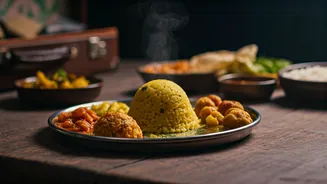
It’s impossible to ignore the influence of social media. Instagram and food blogs have become powerful visual menus, showcasing the incredible diversity of India’s regional cuisines. A beautifully shot picture of a vibrant Rajasthani thali, a video of a steaming appam being made, or a reel exploring the street food of Lucknow can spark immediate travel envy and inspiration. Food has become a central part of the travel narrative we share online. People are not just collecting photos of forts; they are collecting photos of unique dishes. This visual validation encourages more people to seek out these photogenic and delicious experiences, creating a self-perpetuating cycle where food and travel are inextricably linked. The 'Instagrammable' meal is now as important as the scenic viewpoint.
Beyond the Usual Culinary Capitals
This trend is also pushing travellers to explore parts of India that were previously off the mainstream tourist map. While cities like Lucknow, Hyderabad, and Amritsar have long been known for their culinary prowess, the search for unique flavours is shining a light on lesser-known gastronomic gems. Foodies are now planning trips to explore the distinct vegetarian cuisine of Kathiawar in Gujarat, the seafood delicacies of the Konkan coast in Maharashtra, the unique flavours of Puducherry’s Franco-Tamil kitchens, and the rich, spice-laden dishes of the Malabar region. This dispersal of tourism brings economic benefits to smaller towns and rural areas, empowering local chefs, farmers, and producers who are the true guardians of India’s culinary heritage.
The Industry Is Dishing It Up
The travel and hospitality industry has been quick to respond. Boutique hotels and homestays are increasingly marketing themselves based on their culinary offerings. Many now feature resident chefs who specialise in hyper-local recipes passed down through generations. Tour operators are curating dedicated “food trails” and “gastronomic journeys” that promise a deep dive into a region’s food culture. Agritourism is also booming, with farms and plantations offering farm-to-table dining experiences where guests can see exactly where their food comes from. This professional curation makes it easier than ever for travellers to access authentic culinary experiences, moving them from a matter of chance to a guaranteed highlight of the trip.