



The Contenders: A Quick Overview
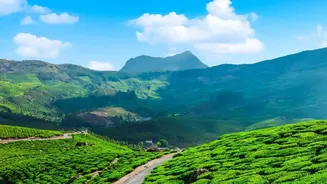
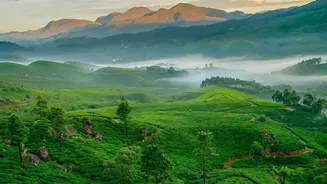
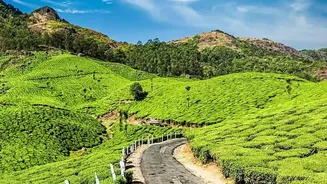
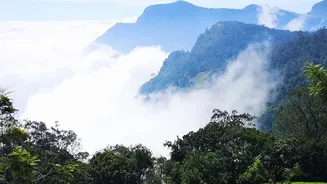
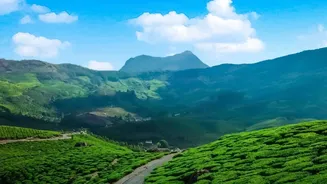
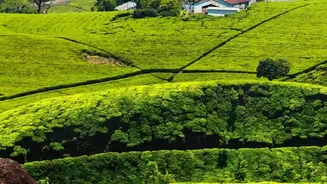
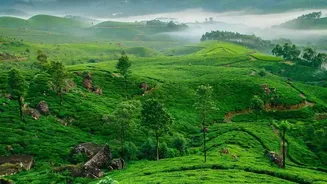
Munnar, nestled in Kerala's Western Ghats, is a sprawling landscape of tea plantations, punctuated by dramatic hills and rare wildlife. It feels vast, lush, and deeply connected to nature. Its charm lies in its seemingly endless green vistas and the feeling
of being enveloped by the mountains. Ooty (Udhagamandalam), the 'Queen of Hill Stations' in Tamil Nadu, offers a different flavour. Developed as a summer retreat by the British, it has a more established, colonial character with botanical gardens, a bustling town centre, and the iconic Nilgiri Mountain Railway. It feels more like a classic, well-rounded holiday destination.
Tea Gardens: Immersion vs. Vistas
When it comes to tea, both destinations are champions, but they play the game differently. Munnar is synonymous with tea. The plantations are not just an attraction; they are the landscape. You drive through them for miles, with opportunities to visit tea museums like the Tata Tea Museum to understand the process from leaf to cup. The experience here is about immersion, with the aroma of tea hanging in the air and the sight of workers plucking leaves on steep slopes. Ooty’s tea estates, like those around Coonoor, are equally beautiful but feel more like designated attractions within a varied landscape. You can visit estates like the Dodabetta Tea Factory for tours and tasting, but the plantations don't dominate the scenery in the same all-encompassing way they do in Munnar.
Wildlife: Rare Goats vs. Diverse Fauna
For wildlife enthusiasts, the choice depends on what you want to see. Munnar's star attraction is the Eravikulam National Park, home to the endangered Nilgiri Tahr. Spotting this mountain goat on the park's misty grasslands is a unique experience. The park is also known for its stunning biodiversity, including the Neelakurinji flowers that bloom once every 12 years. Ooty, however, boasts proximity to the Mudumalai National Park and Tiger Reserve, a part of the larger Nilgiri Biosphere Reserve. Here, the fauna is more diverse. Jungle safaris offer chances to spot elephants, gaur (Indian bison), deer, and a rich variety of birdlife. While tiger and leopard sightings are rare, the sheer variety of animals makes Mudumalai a more traditional wildlife safari destination.
Lakes: Serene Reservoirs vs. Classic Boating
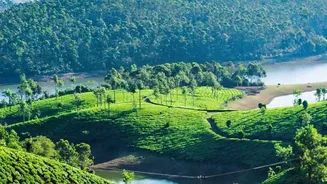
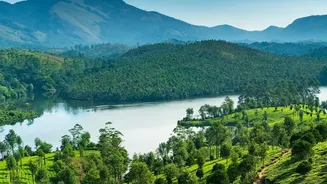
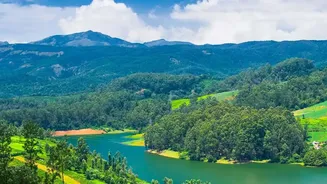
Both hill stations offer tranquil water bodies, but with different atmospheres. Munnar's 'lakes' are often reservoirs formed by dams, such as Mattupetty Dam and Kundala Lake. These are set against dramatic backdrops of tea gardens and forests. Boating on Mattupetty is a popular activity, with the chance to spot elephants on the banks. The scale is grand and the scenery is rugged. Ooty offers a more classic lake experience. The man-made Ooty Lake is a central hub of activity with paddle boats, rowboats, and a surrounding park. For a more serene experience, Pykara Lake, a short drive away, offers peaceful speedboat rides through forested areas. Ooty's lakes feel more organised and recreational, while Munnar's are more integrated into the wild landscape.
The November Verdict: Post-Monsoon Glow
November is an excellent time to visit either destination. The monsoons have just receded, leaving behind a fresh, vibrant landscape. The weather is cool and pleasant, perfect for sightseeing. In Munnar, the waterfalls will be in full flow and the tea gardens will look exceptionally lush. In Ooty, the post-monsoon clarity offers stunning views from viewpoints like Doddabetta Peak, and the gardens will be in bloom. Your choice boils down to preference. If you seek vast, immersive green landscapes and the unique thrill of spotting the Nilgiri Tahr, Munnar is your answer. If you prefer a classic hill station with colonial charm, diverse attractions, and a better chance of seeing a variety of wildlife on safari, Ooty is the way to go.