





The Closed-Window Conundrum
When the skies open up, our first instinct is to seal up our homes. It keeps the rain and wind out, but it also stops the natural flow of air. Without ventilation, your home essentially becomes a sealed box. Fresh air can’t get in, and stale, polluted
air can’t get out. This lack of circulation is the root cause of the problem. Studies in India have shown that a significant number of urban homes lack proper cross-ventilation, a situation that worsens dramatically during the rainy season when windows remain shut for long periods. This traps pollutants that are generated inside the home, allowing them to build up to levels that can be significantly higher than outdoor air.
Meet Your Unseen Roommates: Indoor Pollutants
So, what exactly is getting trapped? The culprits are everyday things. Cooking, especially frying or using tadka, releases particulate matter and fumes. Cleaning products, air fresheners, and even new furniture can release chemicals known as Volatile Organic Compounds (VOCs). Then there are the biological pollutants: dust mites, pet dander, and mould spores. Every time you cook, clean, or even breathe, you're adding to the mix. Normally, these pollutants would disperse, but in a closed-up house, they have nowhere to go. They just keep circulating, which means you and your family keep breathing them in.
Humidity: The Problem Multiplier
Heavy rain outside means high humidity inside. This dampness is more than just uncomfortable; it’s a catalyst that makes indoor air quality much worse. High humidity creates the perfect breeding ground for mould and dust mites, two major triggers for allergies and asthma. Mould can grow on damp walls, in bathrooms, and on furniture, releasing spores into the air you breathe. Dust mites, microscopic creatures that feed on dead skin cells, thrive in humid bedding and carpets. So, the closed windows trap the pollutants, and the humidity helps them multiply, creating a double-whammy for your respiratory system.
From Sneezes to Serious Concerns
The effects of poor indoor air quality can range from mild to severe. You might notice an increase in headaches, fatigue, a persistent cough, or irritation in your eyes, nose, and throat. For those with asthma or allergies, the impact can be much more immediate, leading to more frequent and severe attacks. Long-term exposure to high levels of indoor pollutants is a more serious health concern. Research in India has linked it to chronic respiratory conditions like COPD, particularly in households using biomass fuels, and even cardiovascular issues. It's an invisible threat that can have very real consequences on your family's health.
How to Clear the Air at Home
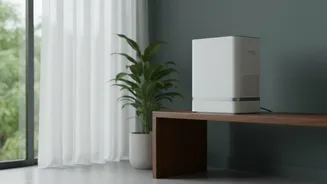
The good news is you can fight back without letting the rain in. The key is to be strategic. Use your kitchen and bathroom exhaust fans every time you cook or shower to pull pollutants and moisture out of the air. Seize any break in the rain, even if it's just for 10-15 minutes, to open windows on opposite sides of the house and create a cross-breeze. If high humidity is a persistent problem, consider using a dehumidifier to keep moisture levels in check. Regular cleaning, including dusting with a damp cloth and vacuuming, can help remove allergens. Finally, an air purifier with a HEPA filter can be a powerful ally, trapping fine particles and improving the air in key rooms like the bedroom.