




Visas and Getting There
For Indian passport holders, securing a visa for Georgia is straightforward. The most common route is the e-Visa, which can be applied for online through the official government portal (evisa.gov.ge). The process takes around five to seven working days
and requires documents like your passport, flight itinerary, proof of accommodation, bank statements, and travel insurance. As of 2026, travel and health insurance is mandatory for all foreign tourists. If you hold a valid visa or residence permit from countries like the US, UK, or any Schengen state, you may be able to enter Georgia visa-free for up to 90 days. To keep flight costs down, look for budget airlines with layovers in cities like Sharjah or Abu Dhabi. Booking two to three months in advance can help you find round-trip tickets from major Indian cities for a reasonable price. IndiGo also operates direct flights from Delhi to Tbilisi, which can be a convenient option.
Affordable Accommodation
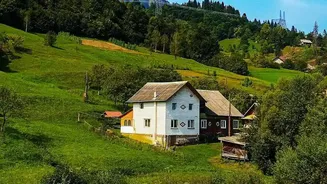
Georgia's budget accommodation scene is a backpacker's delight. In major cities like Tbilisi, you'll find a wide array of well-reviewed hostels with dorm beds. These are not only cheap but also great places to meet fellow travellers. Popular areas for budget stays in Tbilisi include Avlabari, which is near the Old Town and has Indian food options, and Saburtalo, which is quieter and well-connected by metro. Outside of the capital, family-run guesthouses are the go-to choice. In mountainous regions like Kazbegi, guesthouses offer a cozy, authentic experience and are incredibly budget-friendly, often including a hearty home-cooked breakfast. This is a fantastic way to experience Georgian hospitality firsthand.
Eating Well on a Budget
Georgian food is a highlight of any trip, and you don't need a big budget to enjoy it. The ultimate budget-friendly meal is the iconic Khachapuri, a cheese-filled bread that is delicious, filling, and sold in bakeries everywhere for just a few Lari. For other meals, avoid tourist-centric restaurants and eat where the locals do. Seek out small basement restaurants and 'dukans' for authentic and cheap dishes like Khinkali (soup dumplings). Exploring local markets, such as the Dezerter Bazaar in Tbilisi, is another great way to find fresh produce, cheese, and local snacks for very little money. A backpacker can comfortably manage their daily food expenses on a modest budget.
Getting Around Cheaply
Navigating Georgia is both easy and affordable. Within Tbilisi, the metro and bus systems are efficient and incredibly cheap. You'll need to buy a transport card, which can be used on both. For door-to-door convenience, ride-hailing apps like Bolt are widely used and offer very low fares for short trips within the city. For inter-city travel, the most common and cheapest option is the 'marshrutka,' or shared minibus. These vans connect all major towns and cities and leave from central bus stations when they are full. While not as comfortable as trains, they are frequent and budget-friendly. For longer routes like Tbilisi to Batumi, the train offers a more comfortable journey.
Experiencing History for Free (or Nearly Free)
Much of Georgia's charm lies in its history, and many key sites can be explored for free. Simply wandering the cobblestoned streets of Old Tbilisi, with its unique architecture and hidden courtyards, is an experience in itself. You can walk up to the ancient Narikala Fortress for panoramic views of the city without paying an entrance fee. Almost all churches and monasteries in Georgia, including the magnificent Holy Trinity Cathedral (Sameba) in Tbilisi and the historic sites of Mtskheta (a UNESCO World Heritage site), are free to enter. Free walking tours are also available in Tbilisi, operating on a tip-based system, which is a great way to orient yourself and learn about the city's past from a local guide.