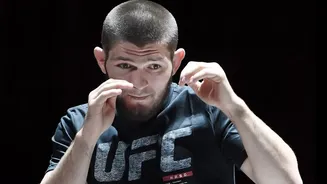



Looking for a high-intensity workout that builds strength, improves coordination, and torches calories without any equipment? Shadow boxing is an accessible, effective fitness solution you can do anywhere, no ring or sparring partner required.
What Exactly Is Shadow Boxing?
Shadow boxing
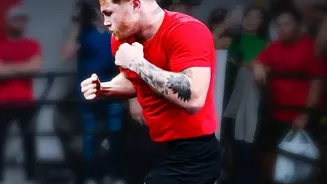
is the art of practicing boxing movements by yourself, against an imaginary opponent. It's a foundational drill used by professional fighters and fitness enthusiasts alike to refine technique, build muscle memory, and get a phenomenal workout. But you don't need to be a boxer to reap the benefits. At its core, it's a full-body exercise that combines cardiovascular training with strength and agility, making it a powerful tool for anyone looking to get in shape. By focusing on your form without the distraction of hitting a bag or opponent, you can perfect your movements and build a strong mind-body connection.
The Full-Body Fitness Benefits
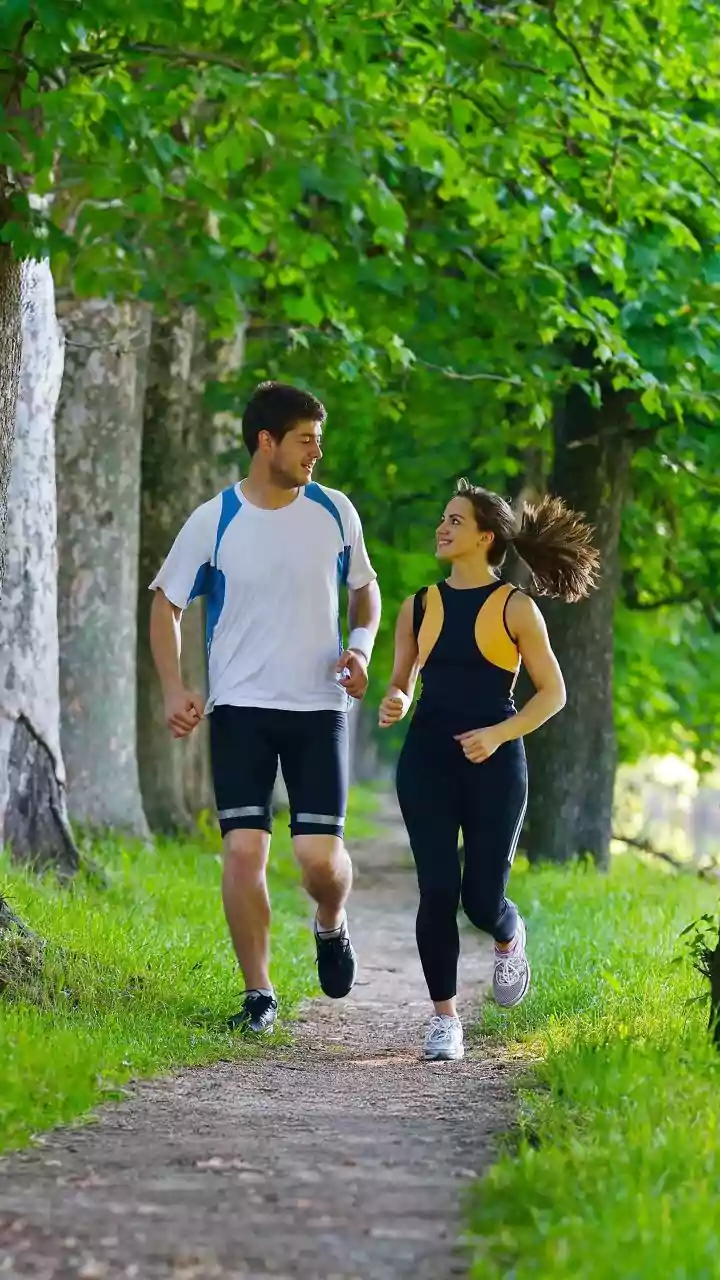
The advantages of shadow boxing extend far beyond just learning to throw a punch. It's a fantastic cardiovascular workout that elevates your heart rate and boosts endurance. The constant movement, from footwork to punching combinations, engages your entire body. Your arms, shoulders, chest, and back work to throw punches, while your core stays tight to generate power and maintain balance. Your legs are constantly engaged as you practice footwork, moving, and pivoting. This combination not only burns a significant number of calories but also improves coordination, balance, and proprioception—your body's awareness of itself in space. Plus, many find it to be an incredible stress reliever, providing a healthy outlet to channel energy and focus the mind.
Getting Started: Your Stance and Guard
Before throwing any punches, your foundation is key. To find your boxing stance, stand with your feet about shoulder-width apart. If you're right-handed, step your left foot forward (this is called an orthodox stance). If you're left-handed, your right foot will be forward (southpaw). Your feet shouldn't be on a tightrope; imagine them on either side of a railway track for stability. Keep your knees slightly bent and your weight balanced. Bring your hands up to protect your face, with your elbows tucked in. Your rear hand should be near your chin, and your lead hand slightly in front. This is your 'guard,' your home base for both offense and defense.
Mastering the Basic Punches
With your stance set, you can learn the four fundamental punches. Focus on form over power. Remember to exhale sharply with each punch. 1. The Jab: A quick, straight punch with your lead hand. It's used to measure distance and set up other punches. Extend your arm fully and snap it back to your guard. 2. The Cross: A straight punch thrown with your rear hand. As you punch, rotate your hips and pivot on your back foot to generate power. 3. The Hook: A semi-circular punch thrown with either hand, aimed at the side of your imaginary opponent. Pivot your lead foot for a lead hook and your rear foot for a rear hook, transferring your weight. 4. The Uppercut: A short, rising punch thrown with either hand. Bend your knees slightly and drive the punch upward, as if aiming for the chin.
Putting It All Together: A Beginner Workout
A structured session will give you the best results. Try this simple 15-'minute routine', using a timer for '3-'minute rounds with '1 minute of rest in between.' - Warm-'up (3 minutes): Start with light jogging in place', arm circles', and torso twists to get your muscles ready.' - Round '1': Footwork and Stance (3 minutes): Move around your space.' Practice stepping forward', backward', and side-'to-'side while maintaining your stance and guard.' - Rest ('1 minute') - Round '2': Jabs and Crosses (3 minutes): While moving', throw only jabs and crosses.' Focus on fully extending the punches and quickly returning your hands to your guard.' - Rest ('1 minute') - Round '3': Basic Combinations (3 minutes): Start combining punches.' Try a simple ''jab-'cross'' ('a ''1-'2'') or a ''jab-'cross-'hook''. Say the combos out loud to build rhythm.' - Cool-'down (1 minute): Slow your movements', walk in place', and gently stretch your shoulders', chest', and back.